
Title: The Scary Physical Symptoms Associated With Anxiety shorts
Channel: Dr. Tracey Marks
The Scary Physical Symptoms Associated With Anxiety shorts by Dr. Tracey Marks
anxiety chest pain left side, anxiety chest pain left side reddit, anxiety chest pain left side symptoms, anxiety chest pain left side treatment, anxiety chest pain left breast, anxiety chest pain left, anxiety chest pain left side for days, anxiety chest pain left arm, stress anxiety chest pain left side, anxiety attack chest pain left side
Is Your Left-Side Chest Pain Anxiety? (Doctor-Approved!)
Unraveling the Mystery: Left-Side Chest Pain & Your Anxious Heart
Have you ever experienced a sudden, sharp pang in your chest? Did it leave you breathless, clutching your heart, wondering if something was terribly wrong? That unsettling feeling, especially if it strikes on your left side, can trigger a cascade of worries. Before you spiral into panic, let's explore the often-misunderstood connection between chest pain and anxiety.
The Panic Paradox: When Fear Takes Over
Anxiety is sneaky. It's a master of disguise. Consequently, it can manifest in numerous physical ways. Believe it or not, chest pain is a common symptom. When your anxiety levels surge, your body goes into fight-or-flight mode. As a result, this creates a surge of adrenaline. This hormone can wreak havoc, triggering rapid heartbeats. It can also cause your heart muscles to tense. Now, these physical sensations can easily be misinterpreted. You might assume something dangerous is happening. This misinterpretation fuels the anxiety further. The fear of a heart attack, ironically, can cause chest pain. Therefore, the cycle continues, trapping you in a vicious loop.
Deciphering the Signals: Is It Really Anxiety?
So, how do you tell the difference between anxiety-induced chest pain and something more serious? It's crucial to listen to your body. Furthermore, observe the accompanying symptoms. Chest pain related to anxiety often presents differently than heart-related pain. For instance, anxiety-driven chest pain might feel:
- Sharp or stabbing. It may feel like a needle in your chest.
- Location variable. It might move around.
- Accompanied by other symptoms. These include dizziness, shortness of breath, or a sense of impending doom.
- Triggered by stress. It often appears during stressful situations.
- Lasting for a short period. It may come and go.
On the other hand, heart-related chest pain:
- Is often described as a pressure. It might feel like someone is squeezing your chest.
- Might radiate to your arm, jaw, or back.
- Accompanied by sweating, nausea, or fatigue.
- Worsens with exertion.
- Persists for a longer duration. It lasts for more than a few minutes.
Seeking Expert Guidance: When to Call a Doctor
Look, if you experience chest pain of any kind, the best course of action is to see a doctor. Don't hesitate to seek medical attention. Particularly if you experience concerning symptoms. After all, a medical professional can accurately diagnose the cause of your pain. A prompt diagnosis provides peace of mind. It will ensure quick treatment, if necessary. Therefore, err on the side of caution. It's always safer than sorry. If your chest pain is accompanied by any of the following, seek immediate medical help:
- Severe chest pain or pressure
- Shortness of breath
- Dizziness or lightheadedness
- Pain radiating to your arm, jaw, or back
- Profuse sweating
- Nausea or vomiting
Conquering Anxiety: Strategies for Relief
Often, if your chest pain is linked to anxiety, there's a path to relief. Managing your anxiety is key. Several effective strategies can help you reclaim your calm. Consider these approaches:
- Deep breathing exercises. Slow, deep breaths can activate your parasympathetic nervous system. This counteracts the fight-or-flight response. The effect can reduce physical symptoms.
- Mindfulness and meditation practices. These techniques promote present-moment awareness. They can help reduce anxious thoughts.
- Cognitive-behavioral therapy (CBT). CBT teaches you to challenge and reframe negative thoughts. These often contribute to anxiety.
- Regular exercise. Physical activity can alleviate stress. It also releases endorphins, which have mood-boosting effects.
- Connect with loved ones. Talking about your feelings can offer support. It also improves your mood.
- Limit caffeine and alcohol. These substances can exacerbate anxiety symptoms.
- Consider professional help. A therapist or psychiatrist can help you manage your anxiety. Subsequently, they can provide medication if needed.
Taking Control: Your Journey to Wellness
Understanding the connection between chest pain and anxiety is empowering. It provides you with knowledge. Moreover, it helps you take control of your health. Remember, you are not alone. Many people experience anxiety-related chest pain. So, prioritize your well-being. See a doctor if you're concerned. Implement the strategies we spoke about. Therefore, you're well on your way to a calmer, healthier life. Remember, seeking help is a sign of strength, not weakness. You are worth the effort.
Anxiety Meds A-Z: Your Ultimate Guide to Finding ReliefHere we go! Let's unravel the knot of left-side chest pain, shall we?
Is Your Left-Side Chest Pain Anxiety? (Doctor-Approved!)
We've all been there. That sudden, sharp, or achy feeling on the left side of your chest. It grips you, steals your breath for a moment, and sends your mind racing. Is it a heart attack? Is something terribly wrong? Or, could it be… anxiety? Let's dive into this, shall we? We want you to feel armed with knowledge, not just panicked. This article isn't about diagnosing – always see a doctor for that! – but about shedding light on a common worry.
1. The Panic Button: Why Chest Pain Terrifies Us
Let’s be honest, our heart is pretty darn vital! When something feels “off” in that area, our minds immediately leap to the worst-case scenario. It’s like a built-in survival instinct overriding logic. We're talking about the big, scary stuff, the Hollywood-approved heart attacks that often get the dramatic music and on-screen CPR. The fear is primal, and it's completely understandable. But that doesn't make it any easier to deal with. Imagine a tiny, unexpected pebble in your shoe; it's manageable, but the constant, nagging itch can drive you crazy. That's a bit like chest pain until you know what's triggering it.
2. The Body's Canary: Chest Pain as a Symptom
Chest pain, regardless of the cause, is a symptom. It's the alarm bell. It's like the check engine light in your car; something's not quite right. The intensity, type, and accompanying symptoms (sweating, shortness of breath, nausea) can vary wildly, depending on the underlying cause. Knowing what to look for is key. Sometimes, it feels like a crushing weight; other times, a fleeting stab.
3. Anxiety’s Grip: How Anxiety Mimics Heart Attacks
Anxiety, in all its sneaky forms, is a maestro of mimicry. It can manifest in physical ways that are uncannily similar to heart attack symptoms. Racing heart, shortness of breath, sweating, dizziness… and, you guessed it, chest pain. The adrenaline surge that comes with an anxiety attack can feel like your body is preparing for a fight you're not even having. Think of it like a nervous puppy, your body is ready to run, but there is no danger. The chest pain in anxiety often feels like a sharp stab, a dull ache, tightness or pressure.
4. The Tell-Tale Signs: Differentiating Anxiety-Induced Chest Pain
Here's where things get a little more nuanced. While only a doctor can provide a definite diagnosis, some patterns can help differentiate anxiety-related chest pain.
- Timing: Anxiety-related chest pain often comes and goes with the ebb and flow of your anxiety. It might spike during stressful situations or subside once you've calmed down.
- Associated Symptoms: Anxiety often brings a whole entourage of symptoms: panic, rapid heartbeat (palpitations), feeling of impending doom, dizziness, tingling, shortness of breath, excessive sweating, dry mouth, and hyperventilation.
- Triggering Factors: Are you typically stressed? Anxious? Overwhelmed? Did something specific trigger your pain, like a difficult conversation or a work deadline? Anxiety likes to piggyback on those things.
- Duration: Anxiety-related chest pain frequently flares up quickly, peaks rapidly, and then gradually subsides, although duration differs from one person to another.
If you're unsure, seeing a doctor immediately is the best course of action. It is better to be safe than sorry.
5. The Heart's Health: Ruling Out Cardiac Issues
Okay, let's talk about the serious stuff. Heart problems are serious, and they need immediate attention. If your chest pain is accompanied by:
- Severe, crushing pressure
- Pain radiating down your arm, jaw, or back
- Shortness of breath that doesn't go away
- Nausea, vomiting, or cold sweats
CALL EMERGENCY SERVICES IMMEDIATELY.
Don't delay. Don't hesitate. Get help. Time is of the essence. If you're experiencing these symptoms, they could indicate a heart attack or other serious cardiac issue.
6. When To See a Doctor (And Why It's Non-Negotiable!)
Look, we're not doctors. We can’t diagnose you. But if you’re experiencing chest pain, no matter how mild, you need to see a doctor. Period. It's not just about ruling out a heart problem – it's about getting a proper diagnosis and treatment plan. Early detection and intervention are key for many conditions. Trust your gut, if something feels wrong, get it checked.
7. The Doctor's Orders: Diagnostic Tests
Your doctor will likely employ a combination of tools to figure out what's going on:
- ECG/EKG (Electrocardiogram): This tests your heart's electrical activity. It can detect any irregularities in your heart rate or rhythm and can identify a heart attack as it's happening or recently occurred.
- Blood Tests: These can check for cardiac enzymes that are released if the heart muscle is damaged.
- Stress Test: This involves monitoring your heart while you exercise (like walking on a treadmill). Helps assess how your heart functions under stress.
- Echocardiogram (Echo): This uses sound waves to create images of your heart, allowing the doctor to assess its structure and function.
- Chest X-ray: This lets your doctor assess your lungs.
8. The Anxiety Connection: Understanding the Link
Anxiety and chest pain are linked in a vicious cycle. Anxiety can cause chest pain, and chest pain can, in turn, increase anxiety. It's like a hamster wheel; the symptoms trigger more anxiety, which then worsens the symptoms. This is where management and treatment are vital.
9. Breaking the Cycle: Managing Anxiety and Its Symptoms
The good news? Anxiety is treatable! Here’s how to start breaking the cycle:
- Therapy: Cognitive Behavioral Therapy (CBT) and other types of therapy can teach you coping mechanisms to manage anxiety.
- Medication: Your doctor may prescribe medication to help regulate your anxiety. Beta-blockers can sometimes help manage the physical symptoms. This is particularly useful if you feel your heart racing.
- Lifestyle Changes: Prioritize sleep, a healthy diet, and regular exercise.
- Mindfulness and Relaxation Techniques: These practices can help you calm your nervous system and reduce the impact of anxiety. Think deep breathing exercises, meditation, and yoga.
10. Breathing Exercises: A Quick Calming Technique
Focus on your breath. Here’s a simple exercise:
- Find a comfortable position.
- Inhale slowly and deeply through your nose, counting to four. Feel your belly expand.
- Hold your breath for a count of one.
- Exhale slowly through your mouth, counting to six.
- Repeat this 5-10 times.
This can help calm your heart rate and bring your system back into balance.
11. The Power of Mindfulness: Staying Present
Mindfulness is about focusing on the present moment without judgment. It can help you detach from anxious thoughts and sensations. Start with simple practices, like focusing on your breath or noticing the sensations in your body. It is a skill that takes practice.
12. Diet and Exercise: Fueling a Calm Heart
What we eat and how we move directly impacts our anxiety levels.
- Diet: Limit caffeine, alcohol, and processed foods. Focus on whole, unprocessed foods like fruits, vegetables, and lean proteins. Stay hydrated!
- Exercise: Aim for at least 30 minutes of moderate-intensity exercise most days of the week. This can be anything from brisk walking to dancing.
13. When to Seek Professional Help for Anxiety
If anxiety is significantly impacting your life, affecting your relationships, work, or overall well-being, it's time to seek professional help. Here are some signs:
- Persistent worrying
- Panic attacks
- Avoidance of social situations
- Difficulty concentrating
- Sleep problems
- Physical symptoms like chest pain, dizziness, or stomach upset
Don’t hesitate to seek help. A professional can offer support and guidance.
14. Building Your Support System
Don't go it alone! Lean on friends, family, or support groups. Sharing your experiences and getting support from others can make a significant difference. Find your tribe of people who understand.
15. Positive Mindset: Cultivating Hope
Maintaining a positive mindset is crucial. Believe that you can manage your anxiety and improve your well-being. Focus on your strengths, celebrate your progress, and practice self-compassion. It’s a marathon, not a sprint.
Conclusion: Taking Control of Your Chest Pain
So, is your left-side chest pain anxiety? Maybe, maybe not. The only way to know for sure is to see a doctor. The important thing is to take it seriously, get it checked out, and not let fear dictate your life. Armed with knowledge, a strong support system, and a proactive approach to
Period Panic: Conquer Your Nighttime Anxiety Before Aunt Flo Arrives!Anxiety, Stress and Chest pain
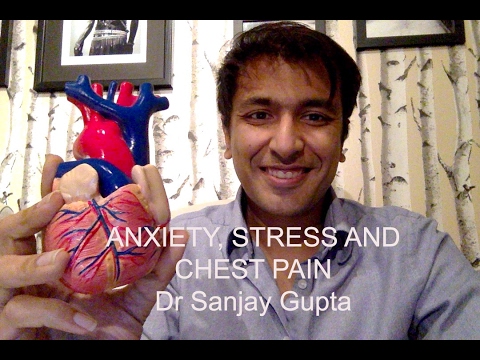
By York Cardiology Anxiety, Stress and Chest pain by York Cardiology
Is anxiety chest pain different from regular chest pain - Dr. Sanjay Panicker

By Doctors' Circle World's Largest Health Platform Is anxiety chest pain different from regular chest pain - Dr. Sanjay Panicker by Doctors' Circle World's Largest Health Platform
12 TYPES OF ANXIETY CHEST PAIN SYMPTOMS I EXPERIENCED

By Trey Jones 12 TYPES OF ANXIETY CHEST PAIN SYMPTOMS I EXPERIENCED by Trey Jones

Title: TAIYUAN ACUPRESSURE - CHEST PAIN ANXIETY RELIEF acupressure anxietyrelief holistichealth lung9
Channel: QiYoga With LuChin
TAIYUAN ACUPRESSURE - CHEST PAIN ANXIETY RELIEF acupressure anxietyrelief holistichealth lung9 by QiYoga With LuChin
Box Breathing: Erase Anxiety in 60 Seconds? (Doctors Hate It!)
Is Your Left-Side Chest Pain Anxiety? (Doctor-Approved!)
Navigating the world of chest pain can feel like traversing a minefield, especially when the discomfort strikes on your left side. Panic often surfaces, whispering insidious doubts about the state of our hearts. We understand. We've all experienced that sudden tightening, the sharp stab, or the dull ache that sends our minds racing. But what if the source of this distress wasn't primarily physical? What if the culprit, in many cases, is something profoundly different, yet equally powerful: anxiety?
Decoding the Distress: Unraveling the Complexity of Left-Sided Chest Pain
Left-sided chest pain encompasses a wide spectrum of sensations. It can be a fleeting twinge, a persistent ache, or a crushing pressure. These sensations, while potentially originating from cardiac issues, can also stem from a range of non-cardiac sources. One of the most common, and often overlooked, contributors is anxiety. The intricate interplay between the mind and body, often referred to as the mind-body connection, becomes particularly evident when it comes to the experience of chest pain.
The Cardiac vs. the Psychological: Differentiating Between Heart-Related and Anxiety-Induced Pain
It is imperative to differentiate between chest pain of cardiac origin and that caused by anxiety, an essential task that begins with a thorough medical evaluation performed by qualified healthcare professionals. While both can manifest similarly, the underlying causes and treatment strategies are dramatically different.
Cardiac Chest Pain: Often described as a crushing pressure, tightness, or squeezing sensation, usually radiating to the left arm, jaw, neck, or back. It may be accompanied by symptoms such as shortness of breath, nausea, sweating, and dizziness. This type of pain is typically triggered by physical exertion, stress, or cold temperatures, and is a serious medical condition.
Anxiety-Induced Chest Pain: Characterized by sharp, stabbing pains, or dull aches. It can mimic the sensation of a tight band around the chest. It may be perceived as a shortness of breath, hyperventilation, heart palpitations (racing or irregular heartbeat), dizziness, lightheadedness, and tingling sensations in the extremities. Its onset is frequently associated with stressful events, specific triggers, or periods of heightened emotional distress.
The Body's Response to Stress: How Anxiety Manifests Physically
Anxiety isn't just an emotional state; it's a powerful physiological response. When we experience anxiety, the body’s built-in alarm system, the fight-or-flight response, is activated. This triggers a cascade of physical reactions, many of which can contribute to chest pain.
Muscle Tension: Anxiety often causes muscle tension, particularly in the chest and upper back. This can manifest as a dull ache, tightness, or sharp stabs. The intercostal muscles, located between the ribs, can become especially tense, resulting in localized pain.
Hyperventilation: Rapid and shallow breathing, a hallmark of anxiety, can deprive the body of oxygen and lead to chest discomfort. This over-breathing can then initiate other physiological reactions, such as tingling and numbness in the extremities.
Increased Heart Rate: The racing heart associated with anxiety can be perceived as a fluttering, pounding, or rapid heartbeat, potentially leading to chest pain. This is a direct result of the sympathetic nervous system activation, releasing hormones like adrenaline.
Gastrointestinal Upset: Anxiety can also upset the digestive system, leading to acid reflux, chest burning, and other gastrointestinal symptoms that can mimic chest pain.
The Role of Panic Attacks: A Common Cause of Left-Sided Chest Pain
Panic attacks are sudden episodes of intense fear that can be incredibly frightening. They often involve a constellation of physiological symptoms, many centered in the chest. Symptoms may include:
- Intense chest pain, which may be sharp, stabbing, or crushing.
- Shortness of breath or a feeling of being smothered.
- Heart palpitations, a racing or irregular heartbeat.
- Sweating, trembling, or shaking.
- Dizziness, lightheadedness, or feeling faint.
- Numbness or tingling in the hands, feet, or face.
- Feelings of derealization (feeling detached from reality) or depersonalization (feeling detached from oneself).
- Fear of dying, losing control, or going crazy.
During a panic attack, the body is flooded with adrenaline, leading to a heightened state of arousal and intense physical sensations. This combination of physiological symptoms can be truly distressing and often leads people to believe they are experiencing a heart attack.
Seeking Medical Evaluation: When to Worry and When to Seek Help
It is always crucial to seek medical attention for left-sided chest pain, regardless of the suspected cause. Only a qualified medical professional can perform the necessary evaluations to determine if a cardiac issue is present.
Immediate Medical Attention: Call emergency services immediately if you experience any of the following symptoms:
- Sudden, severe chest pain.
- Chest pain accompanied by shortness of breath, sweating, nausea, vomiting, or dizziness.
- Chest pain that radiates to your arm, jaw, neck, or back.
- Any change in your normal state of consciousness.
General Assessment: Regardless if the pain is acute, it is important to see your doctor. They will perform a physical examination, review your medical history, and, based on your symptoms and risk factors, may order tests such as:
- Electrocardiogram (ECG): To assess the electrical activity of your heart.
- Blood Tests: To check for cardiac enzymes and other markers.
- Chest X-ray: To rule out other potential causes of chest pain.
- Stress Test: To evaluate your heart's function during exercise.
- Cardiac Catheterization: A more invasive procedure to visualize the arteries of the heart.
Managing Anxiety and Its Physical Manifestations: Doctor-Approved Treatment
If the medical evaluation rules out a cardiac condition, and anxiety is identified as the primary contributor to your chest pain, several treatment options are available to help you manage your symptoms.
- Therapy: Talk therapy, such as cognitive-behavioral therapy (CBT), can be highly effective in treating anxiety. CBT helps you identify and challenge negative thoughts and behaviors that contribute to anxiety, and develop coping mechanisms.
- Medication: Your doctor may prescribe anxiety medications, such as selective serotonin reuptake inhibitors (SSRIs) or benzodiazepines, to help reduce your symptoms. Always discuss the benefits and risks of any medication with your doctor.
- Lifestyle Modifications: Adopting healthy lifestyle habits can significantly reduce anxiety levels and improve overall well-being.
- Regular Exercise: Engage in regular physical activity, such as brisk walking, swimming, or yoga. This can release endorphins, which have mood-boosting effects.
- Balanced Diet: Eat a balanced diet that includes plenty of fruits, vegetables, and whole grains.
- Adequate Sleep: Aim for seven to eight hours of quality sleep each night.
- Stress Reduction Techniques: Practice relaxation techniques like deep breathing exercises, meditation, or mindfulness.
- Limit Caffeine and Alcohol: These substances can exacerbate anxiety symptoms.
- Mind-Body Practices: Engage in practices like yoga, tai chi, and meditation.
- Support Groups: Connecting with others who have experienced anxiety can be helpful.
A Path Forward: Embracing Hope and Seeking Help
Left-sided chest pain can be a frightening experience. Remember, you are not alone. Seeking help early and addressing both the physical and emotional aspects of this discomfort is essential. By understanding the interplay between anxiety and chest pain, undergoing a thorough medical evaluation, and employing appropriate treatment strategies, you can regain control and reclaim your life from the grip of fear. Don’t hesitate to seek medical expertise; your peace of mind is worth it.
