Title: Generalized Anxiety Disorder CAUSES, SYMPTOMS, ICD-10 CRITERIA & MANAGEMENT
Channel: Medicine Made Simple
Generalized Anxiety Disorder CAUSES, SYMPTOMS, ICD-10 CRITERIA & MANAGEMENT by Medicine Made Simple
situational anxiety disorder icd 10, social anxiety disorder icd 10, social anxiety disorder icd 10 criteria, childhood social anxiety disorder icd 10, social anxiety disorder unspecified icd 10, social anxiety disorder dsm 5 icd 10, social anxiety disorder social phobia icd 10, social anxiety disorder with agoraphobia icd 10, situational mixed anxiety and depressive disorder icd 10 cm, situational anxiety icd 10
Is This Your Secret Anxiety Code? (ICD-10 & You)
Unraveling the Mystery of Your Anxious Heart: Decoding the ICD-10
Have you ever felt like anxiety holds a secret language all its own? It whispers in the shadows, a constant hum in the background. You are possibly caught in a web of worry. You are not alone. Millions grapple with the complexities of anxiety every single day. Fortunately, there is a framework. The ICD-10, though often misunderstood, provides a roadmap to understanding. It’s essentially a codebook. It helps to classify various health conditions, including anxiety disorders.
What Exactly Is the ICD-10 Anyway?
The ICD-10 is the International Classification of Diseases, 10th Revision. Therefore, it's a globally recognized system. It’s used by healthcare professionals. To diagnose and classify diseases. It organizes these conditions into specific categories. Think of it as a massive filing system for all things health-related. Furthermore, it isn't just for doctors. It offers valuable insight into the nature of your symptoms. It also helps you gain a better understanding.
Anxiety Disorders: The ICD-10's Hidden Chapters
Anxiety disorders, as a group, fall within specific ICD-10 codes. Therefore, each disorder has its own unique classification. Here's a glimpse inside the pages.
F40: Phobic Anxiety Disorders: These involve specific fears. For example, social anxiety (F40.1). Or, even agoraphobia (F40.0). These coded classifications offer precise definitions.
F41: Other Anxiety Disorders: This includes generalized anxiety disorder (GAD). (F41.1). Or panic disorder (F41.0). These are conditions beyond phobias.
F42: Obsessive-Compulsive Disorder (OCD): OCD is characterized by obsessions and compulsions. The ICD-10 acknowledges this complex condition.
F43: Reaction to Severe Stress and Adjustment Disorders: This category encompasses anxiety related to stress or major life changes.
Decoding the Code: How the ICD-10 Helps You
So, how does this seemingly complex system benefit you? Well, firstly, it aids in diagnosis. Your doctor uses the codes. They help pinpoint your specific anxiety type. Secondly, it facilitates communication. Healthcare professionals globally, can understand your condition. In addition, it’s useful for treatment planning. Knowing your precise diagnosis allows for tailored interventions. In other words, specific medications, therapies, and lifestyle changes.
Working with Your Healthcare Provider: A Collaborative Approach
The ICD-10 is a tool. Therefore, it's best used by qualified professionals. This underscores the importance of your role. Work closely with your doctor, therapist, or psychiatrist. This collaboration leads to a better understanding. Be open and honest about your symptoms. Be prepared to provide details about your experiences. Discuss your family history, and other factors.
Beyond the Code: Embracing a Holistic Perspective
The ICD-10 offers structure. But, remember, you are more than a code. Consider the mind-body connection. Explore therapies like mindfulness and yoga. Consider self-care activities. Prioritize a healthy lifestyle. Therefore, find what works best for you.
Taking Control: Your Journey to Wellness
Understanding your anxiety is the first step. Moreover, using the ICD-10 as a guide. Use it wisely. Embrace the path to recovery. Therefore, you're on the right track. The secret anxiety code doesn't have to be so secret anymore. Because, it's about empowerment. You have the power to understand. You have the power to heal. You are the author of your own story. Take control of your anxious heart.
Conquer Your Anxiety: The Secret Method Anxiety-Ridden Characters UseIs This Your Secret Anxiety Code? (ICD-10 & You)
Hey there, friends! Ever feel like your anxiety is a secret language only you understand? Like it’s whispering coded messages about your worries, your fears, and your inner turmoil? Well, you’re not alone. We're talking about anxiety, that sneaky little gremlin that loves to mess with our minds. And today, we’re going to decode it, using a fascinating tool called the ICD-10. Think of it as a key to unlocking your own personal anxiety puzzle. So, grab a comfy seat, maybe a cup of tea (or your beverage of choice!), and let’s dive in!
1. Unveiling the Mystery: What Exactly IS Anxiety?
Before we get to the coding, let's define what we're dealing with. Anxiety, in its simplest form, is your body’s natural response to stress. It's the feeling of unease, worry, or fear. Think of it as your internal alarm system going off, even when there’s no real danger in sight. It's that knot in your stomach before a presentation, the racing heart when you think about that bill, or the feeling of being constantly "on edge." It can manifest in a million different ways, from physical symptoms like sweating and trembling to mental ones like racing thoughts and difficulty concentrating. Everyone experiences anxiety differently; it's like a unique fingerprint on your psyche.
2. Enter the ICD-10: Your Anxiety Decoder Ring
Now, the ICD-10. What in the world is that? It stands for the International Classification of Diseases, Tenth Revision. Sounds official, right? Well, it is! Developed by the World Health Organization (WHO), it's a global tool used by doctors and mental health professionals to diagnose and classify various medical conditions, including anxiety disorders. It's like a universal dictionary for mental health, providing a common language for understanding and treating different conditions.
3. Why Should You Care About the ICD-10?
You might be thinking, "Why does this matter to me?" Well, knowing about the ICD-10 can be empowering. It demystifies the diagnostic process for your anxiety. When you understand the codes, you can better grasp what your doctor or therapist is telling you. It also helps you research and find information about the specific type of anxiety you might be experiencing. And let’s be honest, knowledge is power! It equips you to take control of your well-being.
4. A Peek Inside the Codebook: Anxiety Disorder Categories
The ICD-10 breaks down anxiety into different categories, each with its specific characteristics. It's like a treasure map, guiding you to your specific "anxiety island." Here are a few of the main ones:
- F40 - Phobic Anxiety Disorders: This includes things like agoraphobia (fear of open spaces), social phobia (fear of social situations), and specific phobias (fear of heights, spiders, etc.).
- F41 - Other Anxiety Disorders: This is a broader category, encompassing things like panic disorder, generalized anxiety disorder (GAD), and mixed anxiety and depressive disorder.
- F42 - Obsessive-Compulsive Disorder (OCD): Though its often considered in it's own realm, OCD is categorized here and involve obsessive thoughts and compulsive behaviors.
- F43 - Reactions to Severe Stress and Adjustment Disorders: This category includes conditions like post-traumatic stress disorder (PTSD).
5. Decoding Your Own Code: Finding Your Fit
How do you actually apply this to yourself? It's not about self-diagnosing, but about gaining understanding. If you’re experiencing anxiety, and especially if it's impacting your daily life – see a professional. A doctor or therapist can assess your symptoms and potentially assign an ICD-10 code. This code helps them determine the most appropriate course of treatment. But you can also use this information to inform your own research, seeking information about the specific type of anxiety your experiencing.
6. The Power of Knowledge: Understanding Your Diagnosis
Once you understand your diagnosis (with the help of a professional, of course!), you can begin to understand more about your condition. The ICD-10 code gives you a starting point. You can research your specific type of anxiety, learn about its symptoms, and explore treatment options. It’s like having a personalized map to navigate your mental landscape!
7. Treatment Options: Finding Your Relief
Knowing the ICD-10 code helps guide your treatment strategy, too. Different anxiety disorders respond to different treatments. This might include:
- Therapy: Cognitive Behavioral Therapy (CBT) is considered a very effective treatment for many anxiety disorders, exploring thought and behavior patterns.
- Medication: Your doctor may choose to prescribe anti-anxiety medications to help manage your symptoms.
- Lifestyle Changes: Some treatments might include diet and exercise.
- Support Groups: Connecting with others who understand can be incredibly helpful.
8. Beyond the Code: The Human Element
While the ICD-10 provides a framework, remember that it’s just a tool. It doesn't define you. No code can fully capture the complexity of the human experience. Your feelings, your story, and your journey are unique.
9. Building Resilience: Coping Mechanisms
Developing healthy coping mechanisms is important for managing anxiety, regardless of the specific diagnosis. This might include:
- Mindfulness and Meditation: Bringing your attention to the present to mitigate anxious thought.
- Deep Breathing Exercises: They can help calm your nervous system.
- Regular Exercise: It releases endorphins, which have mood-boosting effects.
- Spending time in nature To ground yourself and reset.
10. The Importance of Self-Compassion
Be kind to yourself. Dealing with anxiety can be exhausting. Treat yourself with the same compassion and understanding you would offer a friend who's struggling. There is no shame in needing help, and progress isn't linear. There will be ups and downs.
11. When to Seek Professional Help
If anxiety interferes with your daily life, it's time to seek professional help. Some signs that you might need support include:
- Intense fear or worry that lasts for weeks or months.
- Panic attacks.
- Difficulty concentrating or sleeping.
- Avoidance of social situations or activities.
12. The Role of a Therapist or Doctor
A therapist or doctor can provide an accurate diagnosis, develop a treatment plan, and offer guidance and support. They're like your personal anxiety navigators.
13. Debunking the Myths: Anxiety Isn't a Weakness
It's important to dispel the myths surrounding anxiety. It's not a sign of weakness, failure, or a character flaw. It's a medical condition that can be treated.
14. The Future of Anxiety Treatment
Research is constantly evolving, and new treatments and therapies are emerging. Stay informed, ask questions, and advocate for your own health.
15. Your Journey, Your Code.
Remember, the ICD-10 is a tool to help you understand your anxiety, not define you. Your journey is unique, and there are people who can help you on your way.
So, there you have it! A sneak peek into your anxiety’s secret code, and how the ICD-10 can help. Remember, you're not alone in this. There is help available, and you can absolutely reclaim your life from anxiety.
Closing Thoughts
Anxiety can feel like a monster under your bed or a shadow that follows you around. But it doesn't have to be your constant companion. By understanding the ICD-10, seeking professional help, and developing healthy coping mechanisms, you can take control of your mental well-being. The journey may not always be easy, but it's one worth taking. Remember, you are stronger than you think, and you are capable of managing your anxiety. So, go forth, decode your code, and live your life to the fullest! You deserve it!
FAQs
1. Can I self-diagnose my anxiety using the ICD-10? While the ICD-10 can provide valuable information, it's crucial to seek professional help for an accurate diagnosis. Self-diagnosis can be misleading and could lead to inappropriate treatment.
2. What is the difference between the ICD-10 and DSM-5? The ICD-10, as we discussed is a global resource. The DSM-5 (Diagnostic and Statistical Manual of Mental Disorders, 5th Edition) is primarily used in the U.S., and is a more detailed manual that includes diagnostic criteria, and provides more detailed information about each mental disorder.
3. How can I find a therapist or doctor who uses the ICD-10? Most mental health professionals utilize the ICD-10 in their practice. You can ask potential providers about their diagnostic practices. Also, you can search on your insurance company website for in-network doctors.
4. Is the ICD-10 only for medical professionals? While the ICD-10's primary use is for diagnosis and treatment, it’s available to the public. It can be a helpful resource used to understand different mental health conditions.
**5. What should I do if my ICD-
Anxiety's Hidden Pain: Is Your Joint Ache REALLY Anxiety?Top ICD-10 Codes for Anxiety in 2023
By Carepatron Top ICD-10 Codes for Anxiety in 2023 by Carepatron
ICD 10 criteria for Generalized Anxiety Disorder
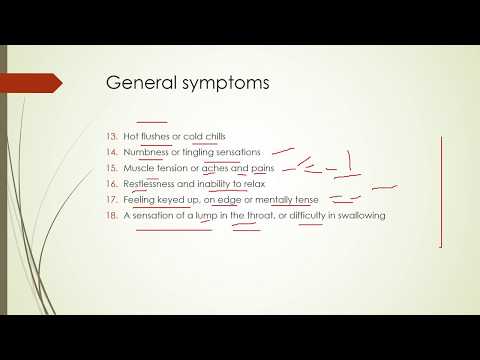
By Vijay Bhatia ICD 10 criteria for Generalized Anxiety Disorder by Vijay Bhatia
Generalized Anxiety Disorder Case, Mental Health ICD 10 Symptoms Video
By Symptom Media Generalized Anxiety Disorder Case, Mental Health ICD 10 Symptoms Video by Symptom Media
Title: Adjustment Anxiety Disorder Case, Mental Health ICD 10 Symptoms Video
Channel: Symptom Media
Adjustment Anxiety Disorder Case, Mental Health ICD 10 Symptoms Video by Symptom Media
Is Your Anxiety REALLY This Bad? (Free Quiz)
Is This Your Secret Anxiety Code? (ICD-10 & You)
Anxiety. It whispers in the quiet moments, a constant hum beneath the surface of daily life. It can manifest as a tightening in the chest, a racing heart, or a relentless stream of worries that cloud your thoughts. If you're navigating the complexities of anxiety, you're likely familiar with the feeling that something is not quite right. And perhaps, you've encountered the term ICD-10. But what exactly is it, and how does it relate to your experience? Let's delve into the specifics, offering clarity and understanding in a journey through the landscape of anxiety and its classification.
Decoding ICD-10: A Quick Primer
ICD-10, or the International Statistical Classification of Diseases and Related Health Problems, Tenth Revision, is a globally recognized system developed by the World Health Organization (WHO). It's essentially a diagnostic manual, a comprehensive resource used by healthcare professionals worldwide to classify and code a vast array of diseases, including mental health conditions like anxiety disorders. Think of it as a standardized language, a common framework that allows doctors, therapists, and researchers to communicate effectively about specific conditions. Each condition receives a unique code, facilitating consistency in diagnosis, treatment, and research.
Why Does ICD-10 Matter for Anxiety?
For individuals experiencing anxiety, ICD-10 codes are crucial for several reasons. Primarily, they provide a common language to describe the specific type of anxiety experienced. When a medical professional provides a diagnosis, they assign an ICD-10 code, which reflects the specific characteristics of the anxiety. This classification is used to guide treatment, facilitate insurance claims, and contribute to ongoing research. Simply put: it's the first step toward getting the help you need.
Navigating the ICD-10 Codes for Anxiety Disorders
The ICD-10 system categorizes anxiety disorders into several distinct sub-classifications. Understanding these categories can provide a framework for recognizing the type of anxiety impacting your life.
1. Generalized Anxiety Disorder (GAD) - F41.1
GAD is characterized by excessive, persistent, and unrealistic worry about everyday things. Individuals with GAD often experience difficulty controlling their worry, along with symptoms like restlessness, fatigue, difficulty concentrating, irritability, muscle tension, and sleep disturbance. If you find yourself constantly anticipating the worst, struggling to relax, and feeling on edge, GAD may be a consideration. The ICD-10 code, F41.1, is the key to unlocking treatment options.
2. Panic Disorder - F41.0
Panic disorder involves recurrent, unexpected panic attacks. A panic attack is a sudden surge of intense fear or discomfort that can include symptoms like heart palpitations, sweating, trembling, shortness of breath, chest pain, dizziness, and fear of losing control or dying. These attacks can be incredibly frightening and can lead to significant avoidance of situations that might trigger them. The specific code, F41.0, helps identify and address this disorder.
3. Social Anxiety Disorder (Social Phobia) - F40.10
Social anxiety disorder is characterized by an intense fear of social situations where you might be judged or scrutinized by others. This fear can lead to avoidance of social gatherings, public speaking, or even everyday interactions. Physical symptoms, such as blushing, sweating, or stuttering, can often accompany the anxiety. This disorder is coded as F40.10 in the ICD-10 system.
4. Specific Phobias - F40.2
Specific phobias involve an intense and irrational fear of a specific object or situation, such as heights, animals, or enclosed spaces. This fear often leads to avoidance behaviors or intense distress when confronted with the feared object or situation. Depending on the specific object or circumstance, there are subcodes under F40.2.
5. Other Anxiety Disorders – F41.x
This category includes other, less-defined forms of anxiety. These might include mixed anxiety-depressive disorder or other specified anxiety disorders that don't neatly fit into the above categories. The codes in this section include other subcodes such as F41.9, for anxiety disorder, unspecified.
The Importance of a Professional Diagnosis
Self-diagnosis is never recommended. While understanding the general categories of anxiety disorders can be helpful, a proper diagnosis requires evaluation by a trained healthcare professional. A doctor, psychiatrist, or therapist can assess your symptoms, consider your medical history, and arrive at an accurate diagnosis using the ICD-10 guidelines. They will be able to determine the most appropriate treatment plan, which may involve therapy, medication, or lifestyle changes.
How to Prepare for a Mental Health Assessment
Preparing for a mental health assessment can help you get the most out of your appointment and ensure your healthcare provider accurately understands your needs.
- Keep a Journal: For a week or two before your appointment, keep a journal of your symptoms. Note when you feel anxious, what triggers your anxiety, and the physical and emotional symptoms you experience.
- Be Honest: Be open and honest with your healthcare provider about your symptoms, even if they are embarrassing or difficult to discuss. This will allow them to provide the best possible care.
- Bring a List of Questions: Write down any questions you have prior to your appointment. This will ensure you get all your concerns addressed.
- Bring a List of Medications & Medical History: Make a list of any medications or supplements you are taking, as well as your medical history, including any diagnosed conditions.
Treatment Options: A Path Towards Relief
Once you receive an ICD-10 diagnosis, you can begin exploring treatment options. There is no universal “cure,” but many effective treatments can significantly improve your quality of life.
1. Therapy: Cognitive Behavioral Therapy (CBT) is a frequently used and effective therapeutic approach to anxiety. CBT helps you identify and challenge negative thought patterns and behaviors that contribute to your anxiety. Other types of therapy, such as exposure therapy (for phobias) and psychodynamic therapy, may also be beneficial.
2. Medication: Several medications are commonly used to treat anxiety disorders, including antidepressants (SSRIs, SNRIs), anti-anxiety medications (like benzodiazepines), and beta-blockers. Your doctor can discuss the potential benefits and risks of medication and help you determine the right option for you.
3. Lifestyle Changes: Certain lifestyle changes can help manage anxiety symptoms. These include regular exercise, a balanced diet, sufficient sleep, and practicing relaxation techniques like deep breathing, meditation, and mindfulness.
4. Support Groups: Connecting with others who share similar experiences can be incredibly helpful. Support groups provide a safe space to share your feelings, learn coping strategies, and reduce feelings of isolation.
5. Self-Care: Practicing self-care is essential. Schedule time for activities you enjoy, such as reading, listening to music, spending time in nature, or pursuing hobbies.
The Journey to Well-being: A Personalized Path
Navigating anxiety can feel like an overwhelming journey, but you don’t have to travel it alone. Understanding ICD-10 offers a framework for understanding your specific challenges, equipping you with the knowledge to seek appropriate care. With a proper diagnosis, tailored treatment plan, and a commitment to self-care, you can begin to manage your anxiety and reclaim your peace of mind. Remember, help is available, and recovery is within reach. Your mental well-being matters, and seeking support is always a sign of strength. The path toward managing anxiety is not always easy, but with informed steps, you can move forward.
