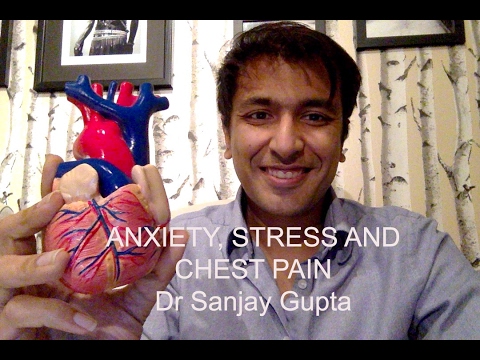
Title: Anxiety, Stress and Chest pain
Channel: York Cardiology
Anxiety, Stress and Chest pain by York Cardiology
anxiety chest pain left side, anxiety chest pain left side reddit, anxiety chest pain left side symptoms, anxiety chest pain left side for days, anxiety chest pain left side treatment, anxiety chest pain right side, stress anxiety chest pain left side, anxiety attack chest pain left side, anxiety causes chest pain left side, can anxiety cause chest pain left side
Is That Chest Pain on Your Left Side a Heart Attack? (Urgent!)
SEO Title: Catching Your Breath: Decoding Chest Pain and Demystifying Heart Attack Fears
Introduction: The Knotted Worry in Your Chest
That sudden, sharp pang in your chest. It clutches at you, doesn't it? The thought of a heart attack slams into your awareness. It's a universal fear. But what if the pain isn’t a direct threat? It’s vital to understand the nuances. Understanding chest discomfort can be a lifesaver. We're going to explore this scary subject. It will demystify those often-terrifying symptoms.
Deciphering the Discomfort: What Could It Be?
Chest pain is rarely simple. It's a multifaceted symptom. Many underlying causes exist. Sometimes, it’s a passing discomfort. Other times, it signals something serious. Firstly, angina is a common culprit. It's often triggered by exertion. This pain stems from reduced blood flow to the heart. It’s often described as a pressure or squeezing sensation.
Beyond the Heart: Other Potential Suspects
However, your heart isn't the only source. Gastroesophageal reflux disease (GERD), or acid reflux, delivers chest pain. It’s a burning sensation. That burning feeling may radiate upwards. Musculoskeletal issues also contribute. Muscle strains or inflammation can feel like chest pain. You could even have problems with your ribs.
The Heart Attack: A Critical Examination
Now, let's address the elephant in the room: the heart attack. It's a terrifying scenario. This occurs when blood flow to the heart is blocked. This restriction often results from a buildup of plaque in the arteries. Warning signs may include crushing chest pain. This pain frequently extends to the arm or jaw.
Heart Attack Symptoms: Recognizing the Red Flags
The symptoms aren’t always obvious. Pay close attention. Shortness of breath is a common sign. You can experience nausea or vomiting. These symptoms, though, can vary. Some individuals experience different symptoms. Women, for example, may have atypical presentations. They might have back pain.
What If Chest Pain Strikes? Immediate Actions to Take
Chest pain demands quick action. Don't delay. If you suspect a heart attack, call emergency services immediately. Don’t try to tough it out. Describe your symptoms clearly to the operator. They'll guide you.
Diagnostic Tools: Unraveling the Mystery
Physicians employ various tools. They meticulously investigate chest pain. An electrocardiogram (ECG or EKG) is a starting point. It monitors the heart's electrical activity. Blood tests also give important clues. They look for cardiac enzymes released during damage. Sometimes, imaging tests are required. An echocardiogram or a stress test may be done. Therefore, accurate diagnosis is the key.
Lifestyle Changes: Fortifying Your Heart's Fortress
Preventative measures are crucial. Because prevention is always better than cure. Embrace a heart-healthy lifestyle. Eat a balanced diet. Exercise regularly. Manage your stress levels. These habits significantly reduce your risk. In addition, quit smoking.
When to Seek Medical Attention: The Urgent Need for Assessment
Consequently, when should you seek care? When does chest pain become a crisis? Don’t delay seeking assistance. If you have sudden severe chest pain, it is extremely vital to get medical attention right away. If the pain persists, see a doctor. If the discomfort radiates to other areas, you need care.
Conclusion: Taking Charge of Heart Health
Chest pain is a complex issue. It requires thoughtful consideration. Recognizing the symptoms is essential. Understanding the causes is crucial. By taking proactive steps, you can protect your heart. You can greatly reduce your risks. Never underestimate the power of awareness. Then, you can live life to the fullest. Remember, your heart deserves the best care.
Anxiety: The Silent Killer Stealing Your Joy (And How to Fight Back!)Is That Chest Pain on Your Left Side a Heart Attack? (Urgent!)
Hey everyone, let’s cut to the chase. Chest pain, especially that nagging, uncomfortable ache on your left side, is a scary thing. We’ve all been there, right? That sudden tightening, the pressure like an elephant sitting on your chest – your mind immediately starts racing. Is it? Is it happening? We're going to dive deep into this, because frankly, knowing what's what can save a life. We'll unravel the mysteries behind chest pain, especially when it's on the left side, and help you understand the red flags, the things you absolutely must do, and how to navigate this potentially life-threatening situation. Buckle up; it's time to get informed!
1. The Dreaded Left-Side Chest Pain: Why is it so Terrifying?
Okay, let’s be honest, shall we? The left side of your chest is where your heart resides. So, naturally, any discomfort there immediately triggers the alarm bells. It’s like a smoke detector going off in your mind – you know something could be seriously wrong. That feeling of impending doom, the shortness of breath, the cold sweat – it's a potent cocktail of panic and fear. We've all felt it to some degree. The intensity varies, of course, but the psychological impact is undeniable. It's a biological response, a survival mechanism kicking into high gear. Think of it like this: your body’s screaming, “Pay attention! Something’s not right!”
2. Pinpointing the Culprit: Not All Left-Side Chest Pain is a Heart Attack
Here's a crucial point: not all left-side chest pain is a heart attack. Whew, that’s a relief, right? The good news is that there are loads of other possible causes, ranging from the relatively benign to the still-concerning, but not immediately fatal. We’re talking about everything from muscle strains (maybe you overdid it at the gym, or perhaps you slept in a weird position) to heartburn (that searing, burning sensation is a classic), anxiety (that can manifest in some surprisingly physical ways), and even conditions like pleurisy (inflammation of the lining around your lungs).
3. Heart Attack! The Cardiac Culprit: Understanding the Dreaded Enemy
Now, let’s talk about the elephant in the room – or rather, the elephant within your chest: the heart attack. A heart attack (myocardial infarction) happens when blood flow to a part of your heart is blocked. This blockage can be due to a build-up of plaque (fatty deposits) in the arteries (atherosclerosis). Think of it like a dam that's suddenly collapsed, cutting off the flow of a river. This lack of blood flow deprives the heart muscle of oxygen, and if it goes on for too long, the muscle can begin to die.
4. The Tell-Tale Signs: What a Heart Attack Feels Like
Heart attacks aren't always the dramatic, Hollywood-style events we see on TV. They can be subtle, creeping in like a thief in the night. However, some symptoms are almost always present. Knowing these can be incredibly important. Here’s a quick rundown:
- Chest Pain/Discomfort: This is the classic symptom. It can feel like pressure (like a squeezing band), tightness, fullness, or a crushing sensation. This can radiate to other areas.
- Pain Radiating: This pain often spreads to the left arm, shoulder, jaw, neck, back, and sometimes even the abdomen.
- Shortness of Breath: This can occur even if there's no chest pain. You might feel like you can't get enough air.
- Cold Sweat: Suddenly breaking out in a cold, clammy sweat.
- Nausea or Vomiting: Feeling sick to your stomach or actually throwing up.
- Lightheadedness or Dizziness: Feeling faint or like you might pass out.
5. The Atypical Heart Attack: When Symptoms Are Different
Here’s where things get tricky, and why it’s crucial to be aware. Heart attacks don't always follow the textbook. Some people, especially women, older adults, and people with diabetes, might experience what’s called an "atypical" heart attack. This means their symptoms might be different:
- Less Chest Pain: They might have only mild chest discomfort, or no chest pain at all.
- More Subtle Symptoms: They might experience fatigue, indigestion, unexplained weakness, or just a general feeling of unwellness.
- Focus on Other Areas: Pain might be more prominent in the back, jaw, or abdomen.
This is why it's so critical to pay attention to any unusual symptoms, especially if you have risk factors.
6. Risk Factors: Are You At Increased Risk?
Certain factors make you more likely to have a heart attack. Knowing these is like having a cheat sheet for your health. Here's a quick checklist:
- Age: Risk increases with age, especially for men over 45 and women over 55.
- Family History: If close relatives have had heart attacks, you're at higher risk.
- High Blood Pressure: This puts extra strain on your heart.
- High Cholesterol: Excess cholesterol can build up in your arteries.
- Smoking: Smoking damages blood vessels and increases the risk of clots.
- Diabetes: It damages blood vessels and increases the risk of heart disease.
- Obesity: Excess weight strains the heart and increases other risk factors.
- Sedentary Lifestyle: Lack of exercise increases risk.
- Poor Diet: Diets high in saturated and trans fats increase risk.
- Stress: Chronic stress can negatively affect heart health.
7. Immediate Action: What to Do Right Now If You Suspect a Heart Attack
Time is muscle. That's the mantra. The sooner you get help, the better your chances of survival and minimizing damage to your heart. Dial 911 or your local emergency number immediately. Don't hesitate. Don't try to "wait it out." Don't try to drive yourself to the hospital. Emergency services have protocols in place to start treatment as quickly as possible.
- Stay Calm: Easier said than done, I know, but panicking won't help.
- If you have been prescribed, take prescribed medicine as directed.
- Chew an Aspirin (if advised): If you are not allergic and told to, this can help thin the blood.
- Wait for Emergency Services: Follow their instructions. They know what to do.
8. Diagnostic Tools: How Doctors Figure Out What's Happening
Once you're in the hospital, doctors will use various tests to diagnose a heart attack. Here’s a snapshot:
- Electrocardiogram (ECG or EKG): This is a test that measures the electrical activity of your heart. It can often show if a heart attack is happening.
- Blood Tests: Blood tests can measure levels of specific enzymes released by the heart muscle when it's damaged (like troponin).
- Angiogram: This involves using a special dye and X-rays to visualize the arteries and identify blockages.
- Echocardiogram: An ultrasound of the heart to assess its function.
9. Treatment Options: Saving Your Heart
Treatment for a heart attack depends on the severity and the time that has passed since it began. It's all about restoring blood flow to the heart muscle as quickly as possible:
- Medications: These include blood thinners (to prevent further clots), antiplatelets (like aspirin), and medications to control pain and blood pressure.
- Angioplasty and Stenting: This involves inserting a catheter into an artery to open up a blockage and place a stent to keep it open.
- Bypass Surgery: This involves creating new pathways for blood to flow around blocked arteries.
10. Heart Attack vs. Other Chest Pain Causes: How to Tell the Difference (A Quick Guide)
Let's get a little practical. Here’s a quick guide comparing heart attack symptoms to some other common causes of left-side chest pain:
| Symptom | Heart Attack | Muscle Strain | Heartburn/Acid Reflux | Anxiety/Panic Attack | | --------------------- | --------------------------------------------- | ----------------------------------------------- | ----------------------------------------------- | ----------------------------------------------- | | Pain Location | Chest, often radiating to arm/jaw | Localized to the injured muscle | Burning sensation in chest, often up to throat | Chest tightness, can be widespread | | Pain Characteristics | Pressure, squeezing, crushing, tightness | Sharp, aching, worse with movement | Burning, sour taste in mouth | Rapid heartbeat, shortness of breath, dizziness | | Accompanying Symptoms | Shortness of breath, cold sweat, nausea | Muscle tenderness | Belching, difficulty swallowing | Hyperventilation, feeling of impending doom | | Duration | Typically > 15 minutes, may come and go | May last for days or weeks | Can last minutes to hours | Peak within minutes, then subsides | | Triggers
Pregnant & Anxious? This Secret Calms Your Baby Bump (Instantly!)12 TYPES OF ANXIETY CHEST PAIN SYMPTOMS I EXPERIENCED

By Trey Jones 12 TYPES OF ANXIETY CHEST PAIN SYMPTOMS I EXPERIENCED by Trey Jones
Is anxiety chest pain different from regular chest pain - Dr. Sanjay Panicker

By Doctors' Circle World's Largest Health Platform Is anxiety chest pain different from regular chest pain - Dr. Sanjay Panicker by Doctors' Circle World's Largest Health Platform
The Scary Physical Symptoms Associated With Anxiety shorts

By Dr. Tracey Marks The Scary Physical Symptoms Associated With Anxiety shorts by Dr. Tracey Marks

Title: University of Michigan cardiologist explains when chest pains aren't a heart attack
Channel: Click On Detroit Local 4 WDIV
University of Michigan cardiologist explains when chest pains aren't a heart attack by Click On Detroit Local 4 WDIV
Is Your Pregnancy Anxiety Killing You? (NCP Guide Inside)
Is That Chest Pain on Your Left Side a Heart Attack? (Urgent!)
Chest pain, especially when it manifests on the left side, immediately triggers a cascade of anxieties. The fear of a heart attack is, understandably, a primal one. It's essential to decipher the nature of this pain promptly, separating the truly life-threatening from the potentially alarming, but less critical, causes. This article serves as a guide, designed to provide clear, actionable information, but it is emphatically not a replacement for professional medical advice. If you are experiencing chest pain, seek immediate medical attention. Call emergency services (911 in the US, 999 in the UK, etc.) without delay.
Understanding the Heart Attack: The Culprit and Its Symptoms
A heart attack, medically termed a myocardial infarction, occurs when blood flow to a portion of the heart muscle is severely reduced or blocked. This interruption, typically caused by a buildup of plaque in the coronary arteries (a condition known as atherosclerosis), deprives the heart muscle of oxygen. Without oxygen, the heart muscle cells begin to die. The longer the blockage persists, the more heart muscle damage ensues, hence the crucial need for swift intervention.
The classic symptoms of a heart attack are frequently described, but it is imperative to recognize the nuances. The pain often presents as a crushing, squeezing, or pressure-like sensation in the center or left side of the chest. This discomfort can radiate to the left arm, jaw, neck, back, or stomach. Accompanying symptoms are equally critical in their significance. These often include:
- Shortness of breath: Feeling like you can't catch your breath, even at rest, is a significant warning sign.
- Sweating (diaphoresis): Breaking out in a cold sweat, often accompanied by clammy skin, is a red flag.
- Nausea and Vomiting: Feeling sick to your stomach or actually vomiting can be present.
- Lightheadedness or Dizziness: A feeling of faintness or losing balance.
- Fatigue: Feeling unusually tired or weak.
It's critical to recognize that these symptoms can manifest differently in different individuals. Some people, women in particular, may experience symptoms that are less "classic" or more subtle. These could include unusual fatigue, indigestion-like symptoms, or jaw pain. The important point is not to dismiss any unusual or concerning symptom.
Beyond the Heart: Other Potential Causes of Left-Sided Chest Pain
While a heart attack is the most serious potential cause of left-sided chest pain, it’s crucial not to immediately assume the worst. Many other conditions can cause similar symptoms, ranging from relatively minor to potentially serious, requiring prompt medical evaluation. These include:
Musculoskeletal Issues
- Muscle Strains: Overexertion, strenuous exercise, or even coughing vigorously can strain the muscles in the chest wall. This can cause sharp, localized pain that worsens with movement or pressure.
- Costochondritis: This condition involves inflammation of the cartilage that connects the ribs to the sternum (breastbone). Typically, this causes localized pain that can be sharp and can be exacerbated by pressure or deep breaths.
- Rib Fractures: A direct blow to the chest, a fall, or even severe coughing can fracture a rib. These fractures often cause sharp pain that worsens with breathing or movement.
Gastrointestinal Problems
- Heartburn and Acid Reflux (GERD): Stomach acid can reflux up the esophagus and cause a burning sensation in the chest, which may be mistaken for heart pain. The pain associated with acid reflux may also radiate into the left chest and can sometimes be associated with difficulty swallowing.
- Esophageal Spasms: These sudden, involuntary contractions of the esophagus can cause chest pain that mimics a heart attack. They often feel like a squeezing or crushing sensation.
- Gallbladder Problems: While usually presenting with pain in the upper right abdomen, gallbladder issues can sometimes trigger referred pain that feels like chest pain.
Pulmonary Conditions
- Pleurisy: Inflammation of the pleura, the membranes that surround the lungs, can cause sharp, stabbing chest pain that intensifies with deep breaths or coughing.
- Pneumonia: Infections of the lung can lead to chest pain, coughing, fever, and difficulty breathing. The location of the pain often depends on the location of the pneumonia.
- Pneumothorax: This occurs when air leaks into the space between the lung and the chest wall, causing the lung to collapse. Symptoms include sudden, sharp chest pain and shortness of breath.
- Pulmonary Embolism: A blood clot that travels to the lungs can block blood flow and cause sudden chest pain, shortness of breath, and potentially life-threatening consequences.
Psychological Factors
- Anxiety and Panic Attacks: The physical symptoms of anxiety, such as rapid heartbeat, sweating, and shortness of breath, can mimic the symptoms of a heart attack. Chest pain is a very common symptom of a panic attack.
What To Do When Chest Pain Strikes: A Step-by-Step Guide
The actions you take when experiencing chest pain are crucial to determining the outcome. Here’s a recommended course of action:
- Assess the Situation: Carefully evaluate the nature of the pain. Is it crushing, squeezing, or sharp? Does it radiate anywhere? Are there any accompanying symptoms? Make note of the intensity and duration of the pain.
- Call for Emergency Assistance: If the pain is severe, sudden, and accompanied by any of the classic heart attack symptoms (shortness of breath, sweating, nausea, etc.), call emergency services immediately. Don't delay. Time is of the essence.
- Take Aspirin (If Appropriate): Unless you are allergic to aspirin or have been specifically advised against taking it by your doctor, chewing and swallowing one adult aspirin (325mg) can help thin the blood and potentially reduce the damage from a heart attack. Ask your doctor first if you are on blood thinners.
- Remain Calm and Rest: While waiting for medical help to arrive, try to remain calm. Sit or lie down in a comfortable position. Avoid any unnecessary exertion.
- Provide Information to Emergency Responders: When the emergency medical team arrives, be prepared to provide them with a detailed description of your symptoms and any relevant medical history. This information will aid them in making a prompt and accurate diagnosis.
- Follow Medical Advice: Once in the care of healthcare professionals, meticulously adhere to their instructions. They will conduct tests to determine the cause of your chest pain and administer appropriate treatment.
Preventative Measures: Protecting Your Heart and Overall Well-being
Prevention is the best medicine. You can significantly reduce your risk of heart disease and other conditions that can trigger chest pain by adopting a heart-healthy lifestyle.
- Maintain a Healthy Diet: Emphasize a diet rich in fruits, vegetables, whole grains, and lean proteins. Limit saturated and trans fats, cholesterol, and sodium. Consider the Mediterranean diet.
- Regular Physical Activity: Aim for at least 150 minutes of moderate-intensity exercise or 75 minutes of vigorous-intensity exercise per week. This could include brisk walking, jogging, swimming, or cycling.
- Maintain a Healthy Weight: If you are overweight or obese, losing even a small percentage of your body weight can significantly reduce your risk of heart disease.
- Manage Stress: Find healthy ways to manage stress, such as exercise, meditation, yoga, or spending time in nature. Chronic stress can contribute to heart disease.
- Quit Smoking: Smoking damages blood vessels and increases the risk of heart disease, high blood pressure, and other health problems.
- Limit Alcohol Consumption: If you drink alcohol, do so in moderation. For women, that means up to one drink per day; for men, up to two drinks per day.
- Regular Medical Check-ups: Schedule regular check-ups with your doctor and discuss any risk factors you may have, such as high blood pressure, high cholesterol, or a family history of heart disease.
The Importance of Prompt Action and Medical Evaluation
Chest pain demands a prompt and thorough evaluation. While the cause may be benign, the potential for a serious, life-threatening condition underscores the need to err on the side of caution. Do not hesitate to seek medical attention. Timely diagnosis and treatment are critical to optimizing outcomes and preserving your health. Remember, acting quickly can be the difference between life and death. This article has provided information to highlight the importance of prompt and thorough medical evaluation and has not provided sufficient medical advice to be an adequate replacement for medical intervention.
