
Title: Health Anxiety vs. Heart Attack, When to Get Help
Channel: FOX 13 Seattle
Health Anxiety vs. Heart Attack, When to Get Help by FOX 13 Seattle
anxiety symptoms vs heart attack, anxiety symptoms and heart attack, panic attack symptoms vs heart attack reddit, anxiety symptoms or heart problems, woman panic attack symptoms vs heart attack, anxiety vs actual heart attack, heart attack compared to anxiety symptoms, difference between anxiety chest pain and heart attack, anxiety vs heart attack reddit, anxiety mistaken for heart attack
Is Your Anxiety a Heart Attack? Spot the SHOCKING Differences!
SEO Title: Chest Pain Confusion: Decoding Anxiety and Heart Attack Symptoms
Introduction: The Chest Tightness Tango
Have you ever felt your chest constrict, your heart hammering a frantic rhythm? That sensation—that unsettling squeeze—can be a formidable foe. Indeed, it might send your mind racing. It might also conjure a terrifying question: Is this a heart attack? Or, is it just anxiety? This is a crucial distinction. Understanding the differences can save lives and reduce needless worry. Let’s untangle this perplexing web of symptoms. Frankly, they can often feel identical.
Anxiety's Intricate Mimicry: The Body's Alarm System
Anxiety, that ubiquitous shadow, can manifest in truly bewildering ways. It's a master of disguise. It often masquerades as a physical ailment. It can trigger a cascade of physical reactions. Firstly, your heart rate accelerates. Then, you might experience shortness of breath. Moreover, chest pain becomes a frequent companion. This is not a heart attack, though. Your body’s "fight or flight" response is activated. The amygdala, the brain's fear center, has gone into overdrive. Consequently, it sends signals throughout your system. It floods your body with stress hormones. This entire process can feel intensely real. In fact, it can be as overwhelming as any physical illness. You might experience dizziness, sweating, and even nausea.
Heart Attack Havoc: Recognizing the True Culprit
Heart attacks, conversely, are serious. They are a medical emergency. Primarily, they occur when blood flow to the heart is blocked. Therefore, the heart muscle begins to die. Chest pain is the hallmark symptom. However, it’s often described in particular ways. It is frequently a crushing, squeezing, or heavy pressure. It might radiate to your arm, jaw, neck, or back. Also, you could experience sudden sweating, nausea, and lightheadedness. The pain can be severe. It also often lasts for more than a few minutes.
Deciphering the Clues: Unraveling the Symptoms' Secrets
Knowing the subtle differences is critical. So, how can you tell the difference? It involves careful observation. Consider the onset of the pain. With anxiety, chest pain often comes and goes. Often, it’s also triggered by stress. Heart attack pain, conversely, tends to be more persistent. It also doesn’t typically fluctuate significantly. Pay attention to the character of the pain. Anxiety-related chest pain might be sharp or stabbing. However, heart attack pain usually feels like a pressure. Furthermore, consider your accompanying symptoms. Anxiety often includes hyperventilation and panic. Heart attack symptoms may involve irregular heartbeats and a feeling of impending doom.
The Duration Factor: Time as a Tell-Tale Sign
Time also plays a vital role in diagnosis. Anxiety symptoms usually subside fairly quickly. Once the trigger is removed, the symptoms usually diminish. In contrast, heart attack symptoms generally persist. They can last for hours until treated. If you experience persistent chest pain with the above symptoms, seek immediate medical attention. Don't delay—call emergency services.
A Quick Comparison: Anxiety vs. Heart Attack
To provide a helpful overview, let's use a simple comparison. Anxiety chest pain often feels sharp, and lasts briefly. Additional symptoms may include panic or hyperventilation. Heart attack chest pain feels like pressure, and may radiate. Other symptoms are often sweating and nausea.
When in Doubt, Seek Immediate Medical Help
Ultimately, you are not a doctor. You can't definitively diagnose yourself. Therefore, if you’re experiencing chest pain and are unsure, err on the side of caution. Get professional advice immediately. It is always better to be safe than sorry. A timely diagnosis is paramount. It can ensure prompt treatment. This can significantly improve your chances of recovery. Remember, chest pain, regardless of the cause, warrants attention.
The Importance of Prompt Action: Protecting Your Health
Indeed, the ability to distinguish between anxiety and a heart attack is essential. It enables you to respond effectively. It empowers you to safeguard your health. So, be aware of your body. Develop a heightened sense of awareness. When something feels off, don't hesitate to take action. Therefore, remember to prioritize your well-being. This proactive approach can be lifesaving.
Final Thoughts: Your Health, Your Priority
In summary, managing chest pain involves understanding its potential origins. Anxiety and heart attacks present distinct symptoms. They require different responses. So, learn the key differences. If you're concerned, consult with a healthcare professional. Take control of your health. This is the ultimate priority. Always remember: your health is your most valuable asset.
Sudden Panic Attack: What Lurks Beneath the Surface?Is Your Anxiety a Heart Attack? Spot the SHOCKING Differences!
Let's be honest, the feeling of a looming catastrophe can be incredibly unsettling. That crushing sensation in your chest, the shortness of breath, the cold sweat… it's enough to send anyone spiraling into a panic, isn't it? We've all been there, haven't we? That gut-wrenching fear whispering, "Is this it? Am I having a heart attack?" As content creators, we understand the power of words and the importance of factual accuracy. This topic is significant, and it demands our undivided attention. We're diving deep today, peeling back the layers of fear and confusion to uncover the shocking differences between a heart attack and a panic attack fueled by anxiety.
1. The Dreaded Chest Pain: A Tale of Two Sensations
The epicenter of our concern often lies in the chest. The chest pain associated with a heart attack is often described as an intense, crushing pressure – like an elephant is sitting on your chest. It can feel like a squeezing, a tightness, or an ache that radiates outwards – to your arm (particularly the left), jaw, neck, back, or even your stomach. It's a persistent, unrelenting pain.
Anxiety-induced chest pain, on the other hand, is often more varied. It can be sharp, stabbing, or a dull ache. Sometimes, it's localized, a specific spot that feels tender or tight. You might experience a general feeling of pressure, but it's often accompanied by other symptoms like dizziness, lightheadedness, or a feeling of being disconnected from your body. It's like a rollercoaster for your chest, dipping and diving with the mood swings of your anxiety.
2. Breathing Blues: When Panting Becomes Panic
Then comes the breathlessness. With a heart attack, shortness of breath often arrives alongside chest pain. It's like your lungs are trying to inflate but can't quite get the job done. You feel a desperate need for air, even when you're taking deep breaths. This struggle for oxygen is a serious sign.
Panic attacks are notorious for causing hyperventilation – rapid, shallow breathing. It's a vicious cycle. The feeling of not getting enough air triggers more intense anxiety, which leads to faster, shallower breathing. This, in turn, can lead to dizziness, tingling in the hands and feet (paresthesia), and a feeling of choking or suffocation. It’s like being trapped in a suffocating bubble of fear.
3. Sweaty Palms and the Fight-or-Flight Frenzy
Cold sweats are a common companion to both heart attacks and panic attacks. However, the context differs. In a heart attack, the sweating is often accompanied by nausea, weakness, and a feeling of impending doom because your body is struggling to maintain blood flow.
Panic attacks also trigger the body’s fight-or-flight response. This releases adrenaline, which causes sweating, trembling, and a racing heart. Think of it as your body's emergency system getting ready for a perceived threat. The sweating is intense and often comes on suddenly. You might feel like you've just run a marathon, even if you're sitting still on your couch.
4. Mapping the Symptoms: A Quick-Reference Chart
To help visualize the differences, let's put it in a simple context:
| Symptom | Heart Attack | Panic Attack | |----------------|-----------------------------------------------|---------------------------------------------------| | Chest Pain | Crushing, squeezing, radiating | Sharp, stabbing, achy, localized | | Breathing | Shortness of breath, difficulty breathing | Hyperventilation, feeling of choking | | Sweating | Cold, clammy, with other symptoms | Intense, sudden, triggered by adrenaline | | Other Symptoms | Nausea, weakness, pain in other areas | Dizziness, tingling, feeling of unreality | | Onset | Gradual or sudden | Sudden, often reaching peak within minutes | | Duration | More prolonged, potentially ongoing | Typically short-lived, peaks within minutes | | Triggers | Can occur without apparent trigger | Often triggered by stress, fear, or triggers |
5. Duration and the Unfolding Drama
Heart attack symptoms tend to be persistent. The chest pain doesn't typically disappear. The pain may fluctuate but continues to be present. Delays in getting help can result in devastating consequences.
Panic attacks, while intensely frightening, are, thankfully, often short-lived. Symptoms typically peak within 10 minutes and gradually subside within an hour. It's like a storm: intense and terrifying while it rages, but eventually, the clouds part, and the sun shines through. While not physically harmful, it can leave you emotionally and mentally drained.
6. The "Other" Symptoms: Clues in the Complex Puzzle
Beyond the core symptoms, other clues might help differentiate. Heart attacks can come with nausea, vomiting, lightheadedness, and even a feeling of impending doom. You may feel faint or weak.
Panic attacks are often accompanied by the feeling of being detached from reality (derealization), or the feeling that you're outside of your body (depersonalization). You might be terrified you're going crazy, losing control, or are about to die.
7. Your History Matters: Preexisting Conditions as Warnings
A little bit about your medical history can provide vital information. If you're at a greater risk of heart disease (e.g., you're older, have a family history of heart problems, smoke, have high cholesterol or high blood pressure), a cardiac event could seem a bit more likely.
On the other hand, if you have a diagnosed anxiety disorder, panic attacks might be a more likely suspect. However, it goes without saying: do not self-diagnose.
8. The Triggers: Unmasking the Hidden Culprits
Heart attacks can strike at any time, often without any obvious warning, especially for those with pre-existing conditions.
Panic attacks, however, tend to have more triggers. It could be stress at work, relationship issues, a traumatic event, or even thoughts. Certain situations, smells, or environments can trigger these attacks.
9. The Importance of Seeking Immediate Medical Attention
If you experience any of the symptoms associated with a heart attack (especially chest pain, shortness of breath, and arm pain), don’t hesitate. Call emergency services immediately. Time is of the essence. The sooner you get treatment, the better. As in life, safety first is paramount.
For panic attacks, if you’re constantly experiencing the symptoms, or if they significantly disrupt your life, please consult a doctor or psychologist. They can help you identify triggers, develop coping mechanisms, and explore potential treatments.
10. Diagnostic Tests: Unveiling the Truth Beneath the Surface
Doctors have a variety of tools at their disposal to differentiate between a heart attack and a panic attack. An electrocardiogram (ECG or EKG) can quickly detect any abnormalities in the heart's electrical activity, a key indicator of a heart attack. Blood tests can check for cardiac enzymes, which are released when the heart muscle is damaged.
For panic attacks, doctors will typically assess your symptoms by asking questions. They also rule out other medical conditions that may be causing the symptoms.
11. Coping Mechanisms for Panic Attacks
Even though anxiety is not fatal, it can be a life-altering condition. Fortunately, there are ways to cope with and even manage panic attacks. Simple breathing exercises, like deep, slow breaths, can help calm the body. Grounding techniques, like naming five things you can see, four things you can touch, three things you can hear, two things you can smell, and one thing you can taste, can bring you back to the present.
Cognitive-behavioral therapy (CBT) is highly effective. It helps you identify and challenge negative thought patterns that contribute to anxiety.
12. The Role of Lifestyle: Prevention and Protection
A healthy lifestyle can potentially ward off both heart problems and anxiety. Regular exercise, a balanced diet, and adequate sleep benefit the heart and the mind. Limiting caffeine and alcohol can reduce anxiety.
Mindfulness techniques, like meditation and yoga, can calm the nervous system. Remember, a healthy mind and body will significantly reduce the likelihood of future episodes by adopting a healthy and balanced lifestyle.
13. When to Seek Help: Recognizing the Red Flags
Always seek immediate medical attention if you suspect a heart attack. Don't wait around.
For anxiety and panic attacks, consistently consult a medical professional. If panic attacks become frequent, interfere with daily functioning, or cause significant distress, it's essential to seek help from a doctor or therapist.
14. Breaking Down the Stigma: Talking About Anxiety
Anxiety is a common mental health condition. It's estimated that over 40 million U.S. adults experience an anxiety disorder. It's crucial that we are not afraid to share our experiences. Talking openly about anxiety helps to break the stigma and encourages others to seek help.
15. Empowerment Through Knowledge: Taking Control of Your Well-Being
Understanding your body and the nuances of these conditions equips you with the knowledge. With this knowledge, you can differentiate between a heart attack and a panic attack. You can learn coping mechanisms and seek timely medical attention when necessary.
Ultimately, knowledge is power. It's about taking control of your health and empowering yourself to live a fuller, healthier life.
Closing Section
We
Doechii's Anxiety TikTok Song: The Viral Hit You NEED to Hear!Heart attack vs panic attack know the difference

By American Heart Association Heart attack vs panic attack know the difference by American Heart Association
Anxiety vs. Heart Attack Symptoms

By ehowhealth Anxiety vs. Heart Attack Symptoms by ehowhealth
Heart Attack or Panic Attack
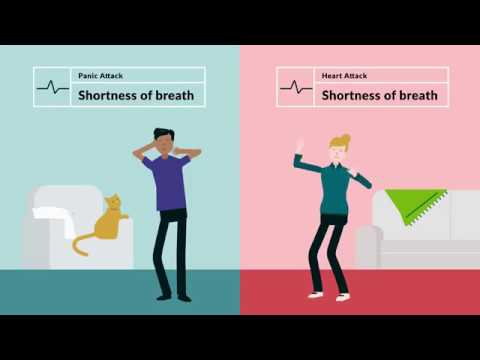
By Medical City Healthcare Heart Attack or Panic Attack by Medical City Healthcare

Title: Main differences of Heart Attack & Anxiety Attack
Channel: Modern Heart and Vascular Institute
Main differences of Heart Attack & Anxiety Attack by Modern Heart and Vascular Institute
Is THIS Your Anxiety? Shocking DSM-5 Symptoms You NEED to Know!
Is Your Anxiety a Heart Attack? Spot the SHOCKING Differences!
Experiencing chest pain, shortness of breath, and a racing heart can be utterly terrifying. The fear that what you're experiencing is a heart attack can be paralyzing. However, these symptoms also overlap with those of a severe anxiety attack. This article will help you navigate this confusing landscape, equipping you with the knowledge to differentiate between anxiety and a potentially life-threatening cardiac event. Understanding these distinctions is crucial for your peace of mind and, more importantly, your health.
Understanding the Anatomy of a Heart Attack: The Silent Killer
A heart attack, medically known as a myocardial infarction, occurs when blood flow to a part of the heart muscle is blocked. This blockage, typically caused by a buildup of plaque in the coronary arteries (atherosclerosis), deprives the heart muscle of oxygen, leading to damage or even death of that muscle tissue. The severity of a heart attack varies, but it's always a serious medical emergency requiring immediate attention.
Key Heart Attack Symptoms: The Red Flags
The classic symptoms of a heart attack are distinct, although they can sometimes be misinterpreted. Recognizing these warning signs is paramount:
- Chest Pain: This is the hallmark symptom. It often presents as a crushing, squeezing, or pressure-like sensation in the center of the chest. This pain can be intense and may radiate to the left arm, jaw, neck, back, or stomach.
- Shortness of Breath: Difficulty breathing, even at rest, is a common symptom, as the heart struggles to pump enough blood to supply oxygen to the body.
- Sweating: Cold sweats, often accompanied by clammy skin, are frequently experienced.
- Nausea and Vomiting: These symptoms can occur, adding to the overall feeling of distress.
- Lightheadedness or Dizziness: A loss of blood flow to the brain can cause these symptoms.
- Unexplained Fatigue: Experiencing overwhelming tiredness for no apparent reason can also be a red flag, particularly if combined with other symptoms.
Importantly, heart attack symptoms can differ between individuals. Women, in particular, may experience less obvious symptoms, such as unusual fatigue, jaw pain, or nausea, further complicating diagnosis.
Dissecting the Anxiety Attack: The Mind-Body Connection
Anxiety attacks are characterized by a sudden surge of intense fear or discomfort. They often peak within minutes, accompanied by a range of physical and psychological symptoms that can mimic those of a heart attack. These attacks are typically caused by a combination of factors, including stress, underlying anxiety disorders, and even certain medical conditions or medications.
Unpacking Anxiety Attack Symptoms: The Mimicry
The symptoms of an anxiety attack can be strikingly similar to those of a heart attack:
- Chest Pain: Often described as a sharp, stabbing, or tight sensation in the chest. Unlike heart attack pain, this pain tends to fluctuate and may be more localized.
- Rapid Heartbeat (Palpitations): A racing or pounding heart is a common and frightening symptom.
- Shortness of Breath or Hyperventilation: Feeling like you can't catch your breath or breathing rapidly.
- Sweating: Similar to a heart attack, excessive sweating can occur.
- Nausea: Feelings of queasiness or stomach upset.
- Dizziness or Lightheadedness: A feeling of unsteadiness or being about to faint.
- Trembling or Shaking: Physical tremors affecting the limbs.
- Feeling of Impending Doom: A pervasive sense of dread or the feeling that something terrible is about to happen.
- Fear of Dying: The intense fear that you are about to die or have a heart attack.
The Crucial Differences: Unraveling the Truth
While the overlap in symptoms can be alarming, several key differences can help distinguish between anxiety and a heart attack:
- The Nature of Chest Pain: Heart attack pain is often described as a crushing, squeezing, or pressure-like sensation that may radiate to other areas. Anxiety-related chest pain tends to be more variable, with a stabbing or sharp quality, and may be localized.
- Triggers and Context: Anxiety attacks are often triggered by specific stressors, phobias, or situations. Heart attacks, while sometimes related to exertion, tend to occur with less clear triggers.
- Duration and Intensity: Heart attack symptoms tend to persist and worsen over time if left untreated. Anxiety attack symptoms, while intensely frightening, typically peak within minutes and then gradually subside.
- Response to Medication: People with anxiety disorders may find relief from their anxiety by taking medications called benzodiazepines, while people with a heart attack may not respond to this medication.
- Other Accompanying Symptoms: Heart attack symptoms are more likely to be accompanied by nausea, vomiting, and cold sweats. Anxiety attacks are more often associated with a feeling of detachment from oneself or from reality (depersonalization), or a sense that things around you aren't real (derealization).
The Self-Assessment: Key Questions to Consider
When experiencing chest pain and associated symptoms, ask yourself the following questions to assess your situation:
- What was I doing when the symptoms started? Were you under stress, experiencing a panic situation, or at rest?
- What does the chest pain feel like? Is it crushing, squeezing, or stabbing? Does it radiate anywhere?
- Have I had these symptoms before? Do you have a history of anxiety attacks or heart problems?
- Do I have any other symptoms? Are there any associated symptoms like nausea, vomiting, or cold sweats?
- What eases the discomfort? Does rest, a change in position, or anxiety-reducing techniques help lessen your symptoms?
When to Seek Immediate Medical Attention: Don't Delay!
Regardless of your self-assessment, some situations warrant immediate medical attention. Call emergency services (911 or your local emergency number) immediately if:
- You experience chest pain that lasts for more than a few minutes, especially if crushing or squeezing.
- You have any other symptoms that seem connected to heart attack symptoms.
- You have a known heart condition or a family history of heart disease.
- You are unsure about the cause of your symptoms.
- If you are experiencing chest pain and you do not know the cause, always seek immediate medical attention.
The Importance of Professional Diagnosis: The Path to Clarity
Due to the overlap in symptoms, the only way to arrive at an accurate diagnosis is a medical professional, in a setting with the required instrumentation and medical expertise. Your doctor will likely ask for your complete medical history, carry out a clinical examination, and run a range of tests to determine the underlying cause of your symptoms:
- Electrocardiogram (ECG/EKG): This test records the electrical activity of your heart and can help identify signs of a heart attack.
- Blood Tests: Certain blood tests can reveal elevated levels of cardiac enzymes, which are released when heart muscle is damaged.
- Cardiac Catheterization: A test in which your doctor inserts a catheter into a blood vessel to visualize your heart's arteries.
- Stress Test: This test assesses your heart's function during exercise.
- Echocardiogram: A test that uses sound waves to create images of your heart.
- Complete Blood Count (CBC): This test will evaluate your overall health.
- Comprehensive Metabolic Panel (CMP): This test will evaluate your kidney and liver function.
Managing Anxiety and Reducing the Risk of Heart Disease: Proactive Steps
If you are diagnosed with an anxiety disorder, there are effective treatments available:
- Therapy: Cognitive Behavioral Therapy (CBT) and other forms of therapy can help you manage your anxiety symptoms.
- Medication: Antidepressants and anti-anxiety medications can help reduce anxiety.
- Lifestyle Changes: Regular exercise, a healthy diet, adequate sleep, and stress-reduction techniques, such as mindfulness and meditation, can help manage anxiety.
To reduce your risk of heart disease, commit to a heart-healthy lifestyle:
- Eat a heart-healthy diet: Limit saturated and trans fats, cholesterol, and sodium. Increase your intake of fruits, vegetables, and whole grains.
- Exercise regularly: Engage in at least 150 minutes of moderate-intensity or 75 minutes of vigorous-intensity aerobic exercise per week.
- Maintain a healthy weight: Being overweight or obese increases your risk of heart disease.
- Manage stress: Practice stress-reduction techniques such as yoga, meditation, or deep breathing exercises.
- Don't smoke: Smoking significantly increases your risk of heart disease.
- Limit alcohol consumption: Drink in moderation, if at all.
- Get regular checkups: See your doctor for regular checkups to monitor your heart health.
Conclusion: Empowering Yourself with Knowledge
The ability to distinguish between anxiety and a heart attack can be life-saving. By understanding the key differences in symptoms, triggers, and responses to medication, you can better assess your situation and know when to seek medical help. Remember, it is always best to consult with a medical professional, who can provide an accurate diagnosis and guide you toward appropriate treatment and management strategies. Being proactive about your health and taking steps to improve your overall well-being can significantly impact your physical and mental health. Knowledge empowers you to make educated decisions about your health and navigate any
