Title: Generalized Anxiety Disorder Diagnosis and Treatment
Channel: JJ Medicine
Generalized Anxiety Disorder Diagnosis and Treatment by JJ Medicine
generalized anxiety disorder list of symptoms, generalized anxiety disorder list, generalized anxiety disorder medication list, types of generalized anxiety disorder, generalized anxiety disorder examples, famous person with generalized anxiety disorder
Anxiety's Grip: The Ultimate GAD Checklist You NEED!
Battling Back: Your Essential GAD Survival Guide
Life throws curveballs, doesn't it? Sometimes, those pitches feel less like a game and more like a relentless onslaught. When worry transforms from an occasional companion into an unwelcome houseguest, then it’s time to act. Generalized Anxiety Disorder (GAD) can feel overwhelming. It can cloud your days and steal your nights. But you're not alone in this fight. Moreover, there are tools you can use. This guide delivers them.
Decoding the GAD Maze: What is it, Really?
GAD isn't just occasional nerves. Instead, it's a persistent, excessive worry. You might fret about finances, health, or relationships. However, these concerns consume you. They can become incredibly difficult to control. Because of this, your body responds. Feelings of restlessness, fatigue, and irritability creep up. It's a relentless cycle. Thankfully, understanding your enemy is vital.
The Checklist Compass: Navigating Your Anxiety
This isn't a medical diagnosis. Hence, it is an empowering checklist. Rather, think of it as a helpful compass. It aids you in navigating the turbulent waters of GAD.
Persistent Worry Patrol: Are you frequently plagued by excessive worry? Does it feel out of proportion to the situation? Furthermore, observe the duration. Has this worry lasted at least six months?
The Physical Toll: Anxiety manifests physically. Do you experience muscle tension, headaches, or stomach upset? Because of elevated stress, you might face these. Furthermore, is your sleep disrupted?
Restlessness and Agitation: Do you feel restless, easily fatigued, or on edge? Perhaps there's a constant knot of tension. You could even experience difficulty concentrating.
The Irritability Factor: Frustration and irritability sometimes surge. Are you quick to anger or easily annoyed? Furthermore, these feelings can escalate quickly.
The Avoidance Game: Do you avoid situations because of anticipated worry? This is a common coping mechanism. However, it can worsen the cycle.
If several of these resonate, it’s time to seek further evaluation. Consequently, consulting a professional is essential.
Beyond the Checklist: Taking Action
The checklist is a starting point. But what happens next?
Seek Professional Guidance: A therapist or psychiatrist can help you. They can provide a proper GAD diagnosis. Moreover, they can craft a personalized treatment plan.
Cognitive Behavioral Therapy (CBT): CBT is a highly effective treatment. It teaches you to challenge negative thought patterns. Similarly, it helps you develop healthier coping mechanisms.
Medication (When Necessary): Sometimes, medication can be a helpful addition. Antidepressants, in particular, are frequently prescribed. Always discuss this with your doctor.
Lifestyle Adjustments: You also have power. Consider regular exercise. It's a fantastic stress reliever. Mindfulness practices, such as meditation, also offer benefits.
Breaking the Cycle: Building Resilience
GAD steals your peace. But you can reclaim control. Consider these strategies:
Challenge Negative Thoughts: Do not believe everything you think. Question your worries. Are they based on fact or fear?
Practice Mindfulness: Focus on the present moment. Meditation can help you calm your mind.
Deep Breathing Exercises: Slow, deep breaths can calm your nervous system. Try it when anxiety flares.
Limit Caffeine and Alcohol: These substances can worsen anxiety. Moderation is key.
Build a Support System: Talk to trusted friends and family. Share your experiences. Support makes a vast difference.
The Road Ahead: A Journey, Not a Destination
Recovery from GAD is not a quick fix. It's an ongoing journey. However, with the right tools, you can manage your symptoms. You can live a fulfilling life. Furthermore, be patient with yourself. Celebrate small victories. Seek help when you need it. You've got this. Remember, you're stronger than you think. This fight is winnable. Finally, embrace the possibility of a brighter, less anxious future.
Is Your Pregnancy Anxiety Killing You? (NCP Guide Inside)Anxiety's Grip: The Ultimate GAD Checklist You NEED!
Hey there, friend! Ever felt like you're stuck on a rollercoaster of worry, constantly bracing for the next drop? Like a shadow constantly looms over your shoulder, whispering anxieties into your ear? If you're nodding along, chances are you might be wrestling with Generalized Anxiety Disorder, or GAD. And believe me, we get it. We’ve been there. It’s a tough battle, but you’re not alone, and, more importantly, you can win. This checklist is your essential tool to understand and manage GAD.
1. What is GAD, Anyway? Decoding the Daily Dread
Think of GAD as a persistent feeling of unease, worry, and fear, often about everyday things. It’s more than just feeling stressed before a big presentation or a stressful event like planning a wedding (Been there! My wedding was two years ago, and sometimes I still worry if all the guests had a good time!). With GAD, this worry is excessive, difficult to control, and hangs around for at least six months. It's like having a constant background hum of anxiety in your life, making it hard to relax and enjoy things. It's not just the mental stuff, either - it comes with a lot of physical symptoms, too.
2. The Tell-Tale Signs: Spotting the Anxiety Gremlins
So, how do you know if what you're experiencing is actually GAD? Identifying the symptoms is the first step. GAD isn’t always obvious, and it can masquerade as other things. We've all had moments of worry, but GAD takes it to another level. Here’s what to keep an eye out for:
- Excessive Worry: This is the big one. Constant, uncontrollable worrying about a variety of things – your job, finances, health, family, etc.
- Restlessness: Feeling keyed up or on edge, like you can’t sit still.
- Fatigue: Feeling tired even after a full night's sleep. It’s like your mind is running a marathon, even when your body isn’t.
- Difficulty Concentrating: Finding it hard to focus on tasks or remember things, like your brain is overloaded with information, all of which are anxiety-driven thoughts.
- Irritability: Getting easily annoyed or frustrated. Little things that wouldn't normally bother you suddenly become major irritants.
- Muscle Tension: Experiencing aches and tension in your muscles, especially in your shoulders and neck.
- Sleep Disturbances: Trouble falling asleep, staying asleep, or feeling unrested. It’s like your mind refuses to shut down.
3. The Checklist Unveiled: Your Personalized GAD Navigator
This isn't just a list of symptoms. This checklist is your guide, your map, and your flashlight, helping you navigate the often-murky waters of GAD. Track these symptoms and how they impact your life.
Part 1: The Worry Warriors
- Frequency of Worry: How often do you experience excessive worry? (Daily, weekly, monthly, etc.)
- Intensity of Worry: On a scale of 1-10 (1 being mild, 10 being overwhelming), how intense is your worry? Note the specifics that may be causing it.
- Triggers: What situations or thoughts trigger your worry?
- Impact on Daily Life: Does your worry interfere with your work, relationships, or daily activities?
Part 2: The Physical Fighters
- Body Symptoms: Identify any physical symptoms you regularly experience (e.g., headaches, stomachaches, muscle tension).
- Physical Intensity: How intense are these physical symptoms? (1-10 scale).
- Impact to Your Wellbeing: How do these symptoms affect your overall health and function?
Part 3: Behavioral Behaviors
- Avoidance: Are you avoiding situations or places that trigger your anxiety?
- Procrastination: Are you putting things off because you're anxious about them?
- Reassurance Seeking: Are you constantly seeking reassurance from others about things you worry about?
4. Why This Matters: Understanding Your Anxiety's Landscape
Using this checklist isn't just about ticking boxes. It's about understanding your GAD. It's like taking a snapshot of your current experience. The more information you have, the better you can understand your anxiety's patterns and intensity. This information is invaluable when you seek professional help.
5. The Importance of Professional Help: You Don’t Have to Go It Alone
This checklist is a starting point, not a cure-all. Talking to a mental health professional (therapist or psychiatrist) is the most crucial step. They can provide an official diagnosis and personalized treatment, such as therapy and medication. They can also help you build coping mechanisms and strategies. Think of them as your personal anxiety navigators!
6. Therapy’s Toolkit: Strategies for Taming the Beast
Therapy is a game changer. Different types of therapy, particularly Cognitive Behavioral Therapy (CBT), are incredibly effective for GAD. CBT helps you identify and change negative thought patterns that fuel anxiety. Other therapies, like Exposure Therapy, can also be beneficial.
7. The Power of Mindfulness: Anchoring Yourself in the Present
Mindfulness techniques, like meditation, can help you stay grounded in the present moment and reduce worry. It's like learning to surf the waves of anxiety instead of being swept away by them. Even five minutes of daily meditation can make a huge difference.
8. Lifestyle Changes: Fueling Your Wellbeing
Making healthy lifestyle choices can significantly impact your anxiety levels.
- Diet: Eat a balanced diet with plenty of fruits, vegetables, and whole grains. Avoid excessive caffeine and alcohol, as they can worsen anxiety.
- Exercise: Regular physical activity is a natural mood booster. Aim for at least 30 minutes of moderate-intensity exercise most days of the week.
- Sleep: Prioritize sleep. Aim for 7-9 hours of quality sleep each night.
- Healthy Routines: Develop good habits and create routines to provide consistency and a sense of control.
9. Coping Mechanisms: Your Arsenal for Managing Anxiety
- Deep Breathing Exercises: When you feel anxious, take slow, deep breaths. Inhale deeply through your nose, hold for a few seconds, and exhale slowly through your mouth.
- Progressive Muscle Relaxation: Tense and relax different muscle groups to release physical tension.
- Journaling: Writing down your thoughts and feelings can help you process and manage anxiety.
- Positive Self-Talk: Challenge negative thoughts and replace them with more positive and realistic ones.
10. Medication: The Role of Prescriptions (When Appropriate)
Sometimes, medication is necessary to help manage GAD. Antidepressants, particularly selective serotonin reuptake inhibitors (SSRIs), are commonly prescribed. Benzodiazepines can also be used for short-term relief, but should be used cautiously due to the risk of dependence. Speak with your doctor.
11. Support Systems: You Are Not an Island
Reach out to friends, family, or support groups. Talking to people who understand what you’re going through can make a huge difference. It's like having your own cheering squad!
12. Setting Realistic Goals: Progress, Not Perfection
Don't expect to eliminate your anxiety overnight. Set realistic goals for yourself, and celebrate your progress, no matter how small. Think of it as a marathon, not a sprint.
13. Managing Triggers: Identifying and Minimizing Exposure
Once you've identified your triggers, try to limit your exposure to them. This isn't about avoidance, but rather about getting a handle on your environment. For example, if news is a trigger, limit your exposure to it.
14. Relapse Prevention: Building a Strong Foundation
Even with treatment, relapses can happen. Develop a plan to manage relapses. Have a crisis plan. Keep to your routines.
15. Celebrate the Small Victories: Recognizing Your Strength
Acknowledge your resilience and celebrate your successes. Every step forward, no matter how small, is a victory in the fight against GAD. You are strong!
Closing Thoughts: Embrace the Journey
Dealing with GAD can feel like navigating a maze, but you're not alone, and there's always a way out. This checklist provides you with a map and a compass. Use it to understand your anxiety, to seek help, and to build a life of greater peace and joy. Remember, recovery is a journey, not a destination. Be kind to yourself, celebrate your progress, and never give up hope. We believe in you!
FAQs
Q1: Can I self-diagnose with GAD using this checklist?
A: No. This checklist is for informational purposes only. It helps you understand GAD better and identify your symptoms, but a diagnosis can only be made by a qualified healthcare professional, such as a psychiatrist or a psychologist.
Q2: How long will it take to get better?
A: The timeline for recovery varies from person to person. It depends on the severity of your symptoms, the treatment you receive, and your personal circumstances. Some people experience significant improvement within a few months, while others take
Anxiety Night Attack: Conquer Your Night Terrors Tonight!10 symptoms of generalized anxiety disorder

By Makin Wellness Online therapy 10 symptoms of generalized anxiety disorder by Makin Wellness Online therapy
Generalized Anxiety Disorder GAD, Animation
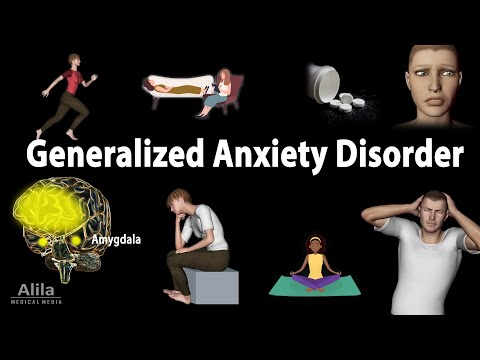
By Alila Medical Media Generalized Anxiety Disorder GAD, Animation by Alila Medical Media
Anxiety Disorder Different Types, Symptoms, and Treatment Options Mass General Brigham

By Mass General Brigham Anxiety Disorder Different Types, Symptoms, and Treatment Options Mass General Brigham by Mass General Brigham

Title: Generalized Anxiety or Depression
Channel: Rittenhouse Psychiatric Associates
Generalized Anxiety or Depression by Rittenhouse Psychiatric Associates
Headache & Anxiety? This SHOCKING Symptom Could Be the Key!
Anxiety's Grip: The Ultimate GAD Checklist You NEED!
The weight of persistent worry can feel all-consuming. Generalised Anxiety Disorder (GAD) isn't simply a bout of nerves; it’s a complex condition that intricately weaves itself into the fabric of daily life. It can cloud judgment, hinder productivity, and significantly impact overall well-being. This isn't about fleeting concerns; it’s about the relentless background hum of unease that colours every interaction, every decision, and every moment. For those navigating the challenges of GAD, understanding the scope of the condition and its associated symptoms is the crucial first step. This comprehensive checklist serves as your informed guide, empowering you to pinpoint the specific ways GAD manifests in your life and to initiate a strategic path towards understanding and eventual management.
Unpacking the Core Symptoms: The Daily Grind with GAD
Recognising the core symptoms of GAD is paramount. This checklist dives deep, going beyond the surface-level manifestations to uncover the subtle signals your body and mind might be sending.
- Excessive Worry: This is the defining characteristic. Constant and disproportionate worry about a variety of things, ranging from finances and health to relationships and work performance, defines the core of GAD. The key here is the excessiveness – the worry is not just present, it’s overwhelming and out of proportion to the actual likelihood of the feared outcome.
- Difficulty controlling worry: Ever found yourself trapped in a cycle of relentless thought, unable to quiet the internal chatter? This lack of control is a diagnostic hallmark. Despite attempts to stop, to distract, or to reason with the worry, it persists, often amplifying with each passing moment.
- Restlessness or Feeling on Edge: Imagine a persistent internal tension, an inability to relax, a pervasive feeling of being “wound up.” This constant state of alertness is a common physical manifestation of GAD. It isn't just feeling stressed; it's the internal restlessness that makes it difficult to sit still, to focus, or to find any sense of peace.
- Fatigue: The constant mental strain of worry takes a significant toll on the body. This isn't just feeling tired; it’s a profound exhaustion that persists even after sufficient sleep. The endless mental processing required to navigate GAD drains your energy, leaving you constantly depleted.
- Difficulty Concentrating or Mind Going Blank: Focusing on even simple tasks becomes a monumental challenge. The mind struggles to stay on track, flitting from one worry to another. This can manifest as having difficulty remembering dates, forgetting what you were doing, or simply having your mind go blank during a conversation.
- Irritability: Simple daily occurrences can trigger disproportionate emotional reactions. Patience wears thin, and frustration flares easily. This isn't about being overly sensitive; it’s about an amplified emotional response that makes it difficult to manage even minor challenges.
- Muscle Tension: The body often holds onto tension as a result of chronic anxiety. This can manifest as headaches, backaches, or general muscle tightness, adding another layer of discomfort to the experience of GAD.
- Sleep Disturbances: Difficulty falling asleep, staying asleep, or experiencing restless sleep are common. The worried mind struggles to quiet itself, leading to tossing and turning, frequent awakenings, and a general feeling of not being rested even after hours in bed.
Exploring the Physical Manifestations: Beyond the Mental Landscape
Anxiety doesn't just exist in the mind; it has profound physical repercussions. This section underscores the physical toll taken by GAD, offering a deeper look into its effects.
- Gastrointestinal Problems: Stomach aches, nausea, diarrhea, and constipation are commonly reported. The persistent stress of GAD disrupts the normal functioning of the digestive system, leading to a range of gastrointestinal symptoms.
- Headaches: Tension headaches and even migraines may become frequent companions. The constant muscle tension and associated stress contribute to these debilitating physical symptoms.
- Sweating: Excessive sweating, even in cool environments, is a common physiological response to the heightened state of arousal associated with anxiety.
- Trembling or Twitching: Uncontrollable shaking or twitching, particularly in the hands or legs, can occur. This is a physical manifestation of the body's heightened state of alert.
- Shortness of Breath: Feeling like you can't catch your breath is a common symptom. The rapid breathing and chest tightness are often attributed to the "fight or flight" response.
- Dizziness or Lightheadedness: Feeling faint or unsteady, often accompanied by a sense of disorientation, can be a direct result of the physiological changes caused by anxiety.
- Rapid Heartbeat: The heart races, often out of sync with physical exertion. This heightened heart rate is another physical sign of anxiety and the body’s stress response.
Assessing the Impact on Your Daily Life: A Practical Examination
GAD isn't isolated; it permeates every facet of your existence. This section encourages a deep dive into how GAD specifically shapes your interactions, responsibilities, and overall quality of life.
- Work/School Performance: Has GAD impacted your ability to focus, meet deadlines, or participate effectively? Are you experiencing problems due to lack of concentration?
- Relationships: Does GAD cause conflict in personal relationships? Are you withdrawn from social activities due to your worries?
- Financial Difficulties: Is your financial stability affected by your anxiety? Does your anxiety cause issues with your job?
- Physical Health: Does GAD affect your physical health? Do you experience frequent physical symptoms?
- Hobbies and Interests: Do your hobbies and interests suffer because of your anxiety? Have you withdrawn from activities you once enjoyed?
- Daily Routine: Does GAD disrupt your daily routine? Are you experiencing trouble maintaining a stable schedule?
- Decision-Making: Is the process of decision-making difficult due to your worries?
- Self-Care: Does GAD make it difficult to take care of yourself?
- Substance Use: Are you using alcohol or drugs to cope with your anxiety?
Building Your Strategy: Next Steps After Evaluation
This checklist is the first step. Armed with a clearer understanding of your GAD-related experiences, it's now time to strategize.
- Consult a Mental Health Professional: The cornerstone of GAD management involves professional guidance. A therapist or psychiatrist can offer a formal diagnosis, develop a personalized treatment plan, and provide evidence-based therapies.
- Consider Cognitive Behavioral Therapy (CBT): CBT is a highly effective form of therapy for GAD. It equips you with practical tools to challenge negative thought patterns, manage worry, and develop healthier coping mechanisms.
- Explore Medication Options: In some cases, medication may be a valuable part of your treatment plan. Consult with your doctor to discuss potential options, such as antidepressants or anti-anxiety medications, and their potential benefits and risks.
- Prioritize Self-Care Techniques: Integrating self-care practices into your routine is essential. This includes regular exercise, a balanced diet, sufficient sleep, and mindfulness or relaxation techniques, all of which can buffer the impact of anxiety.
- Create a Support System: Build a strong network of supportive individuals. Share your experiences with trusted friends, family members, or support groups. Connecting with others who understand can alleviate feelings of isolation.
- Practice Mindfulness and Relaxation Techniques: Engage in regular meditation, deep breathing exercises, or progressive muscle relaxation to quiet the mind and ease physical tension.
- Limit Caffeine and Alcohol: These substances can exacerbate anxiety symptoms. Reduce or eliminate your intake to see if it has a positive impact.
- Set Realistic Goals: Break down large tasks into manageable steps. This can reduce feelings of overwhelm and increase your sense of control.
- Challenge Negative Thoughts: Learn to recognize and challenge negative thought patterns. Replace them with more balanced and realistic perspectives.
- Keep a Journal: Write down your thoughts and feelings regularly to track your progress and identify triggers.
- Celebrate Small Victories: Acknowledge and celebrate your successes along the way. This helps build confidence and reinforces positive behaviors.
- Stay Patient and Persistent: Managing GAD is a journey. There will be ups and downs. Be patient with yourself, and stay committed to your treatment plan.
Resources for Further Support and Information:
- The Anxiety & Depression Association of America (ADAA): ADAA offers extensive information about anxiety disorders, including GAD, along with resources that include therapist finders and support groups.
- The National Alliance on Mental Illness (NAMI): NAMI provides education, support, and advocacy for individuals and families affected by mental illness.
- Mental Health America (MHA): MHA offers resources, screenings, and information on a wide range of mental health topics.
- Your Primary Care Physician: Your doctor can offer an initial assessment, provide referrals to mental health professionals, and monitor any physical symptoms you may be experiencing.
- Trusted Friends, Family, and Support Networks: Reach out to individuals you feel comfortable with. Sharing can alleviate feelings of isolation and provide encouragement.
This checklist is ultimately a starting point. It's a map to help you navigate the terrain of GAD, but remember that you are the expert of your own experience. Use this tool to gain insight, to seek help, and to begin the journey towards a life where anxiety doesn't dictate the terms. Recovery is possible, and taking this first step is a testament to your strength and commitment to well-being. You are not alone.
