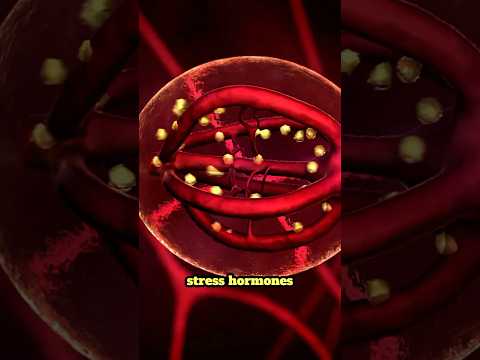
Title: How stress triggers asthma attacks stress asthma lungs breathing
Channel: iMaster Health
How stress triggers asthma attacks stress asthma lungs breathing by iMaster Health
cough anxiety lung, can you get a cough from anxiety, can you cough with anxiety, can my anxiety make me cough
Coughing Fits & Anxiety: Is Your Lung in Danger?
Unraveling the Cough and Calm: When Anxiety and Lungs Collide
Have you ever been caught in a relentless cycle of coughing, only to find your chest tightening with a familiar wave of anxiety? It's a scenario many face. It's a complex interplay that can be truly unsettling. Because, sometimes, the simple act of a cough can trigger feelings of unease. The relationship between coughing fits and anxiety is intricate. It’s important to understand it.
The Breath of Fear: Anxiety's Impact on Your Respiratory System
Anxiety, in its sneaky way, can profoundly impact our physical well-being. Furthermore, it affects our breathing. When anxiety takes hold, your body activates its fight-or-flight response. Consequently, this can lead to rapid, shallow breaths. This breathing pattern, in turn, can irritate your airways. It also makes you more susceptible to coughing.
Think about it: your muscles tense up. Your heart races. Your breathing becomes erratic. As a result, your body goes into overdrive. Shallow breathing, often associated with anxiety, can feel like you're not getting enough air. This can trigger a cough reflex. Consequently, you cough, and the cycle intensifies. Moreover, this can manifest as shortness of breath. That can add to the feeling of panic. It’s a vicious loop, but you're not alone in experiencing it.
The Silent Storm: Understanding Coughing Triggers
Coughing can arise from various factors. Therefore, identifying the root cause is necessary. Besides, the anxiety itself can be the trigger. Also, an underlying respiratory issue could be at play. Thus, understanding what's happening in your body is vital.
Consider your triggers. Do certain situations or environments seem to worsen your coughing? Such as exposure to smoke or allergens. These can definitely exacerbate breathing issues.
Also, be mindful of accompanying symptoms. Are there other symptoms occurring? Pay attention to whether anything else is happening in your body. For instance, consider chest pain. Also, think about wheezing and fever. These details, therefore, are crucial. They can help determine if there’s something more serious at hand.
The Lung Connection: When to Seek Medical Attention
It's essential to note that not all coughs are due to anxiety. Sometimes, a cough signifies an underlying lung issue. Therefore, it is vital to know when to take action. If your cough persists for an extended period, don't delay. If your cough is accompanied by blood, seek immediate medical help.
Moreover, if you experience severe chest pain or get shortness of breath, that’s a red flag. Don’t hesitate to consult a doctor. It’s always better to be safe. Your physician can conduct tests. They will ultimately offer necessary diagnoses. If your lungs are involved, then early intervention is essential.
Managing the Overlap: Practical Strategies for Relief
Managing the relationship between coughing fits and anxiety calls for a holistic approach. Fortunately, there are effective strategies. These can offer relief. They can also help you regain control.
First, practice deep, diaphragmatic breathing. This technique helps calm your nervous system. In addition, it can provide a sense of control. Also, focus on slowing down your breath. This action can help ease shallow chest breathing.
Second, consider incorporating stress-reduction techniques. Meditating or practicing mindfulness can be beneficial. These techniques can calm your mind and body. Further, they can help reduce anxiety levels.
Thirdly, be mindful of your environment. Furthermore, try to avoid potential irritants. If you know you are sensitive to smoke or allergens, then avoid those areas. Staying hydrated will also bring benefit.
A Path Forward: Seeking Help and Support
If your coughing fits and anxiety significantly impact your life, don’t hesitate to seek support. Consider speaking with a healthcare professional. They can offer strategies tailored to your unique needs. They can also help you take control of your health. A therapist can help you pinpoint triggers.
Furthermore, consider support groups. Connecting with others who understand what you're going through can provide immense comfort. Remember, you’re not alone. Many people deal with these issues.
Finally, remember to be kind to yourself. Managing anxiety and related symptoms is a journey. It takes time, patience, and self-compassion. Furthermore, celebrate your progress. Celebrate every step you take toward a healthier, calmer you. Your well-being is worth the effort.
Anxiety Attack Aftermath: How I Finally Found Peace (And You Can Too)Coughing Fits & Anxiety: Is Your Lung in Danger?
Hey there, friend! Ever been caught in a coughing fit that just won’t quit? You know, the kind that leaves you gasping for air, your chest feeling like it’s been put through a wringer? And then, on top of that, this gnawing feeling of anxiety creeps in, whispering doubts about what’s really going on inside? Well, buckle up, because we’re about to unpack the complicated relationship between coughing fits and anxiety, and explore whether your lungs might be crying out for help. We’ll delve into the intricate dance between your physical and emotional well-being, and hopefully, by the end, you’ll feel a little less worried and a lot more informed. Truth be told, I've been there - that breathless, panicky feeling? I get it. Let's dive in!
1. The Unsettling Duo: Coughing Fits and Anxiety's Tango
First things first, let’s acknowledge the elephant in the room: coughing fits and anxiety often like to waltz together. It's a tango, truly, where one partner fuels the other. A sudden, persistent cough can trigger anxiety, especially if you’re unsure of the cause. Your brain, ever the protector, might assume the worst – "Is it something serious? Am I having trouble breathing?" – and bam, anxiety skyrockets. Conversely, anxiety itself can cause or worsen coughing fits. It's a vicious cycle, a seesaw effect where the weight of one pushes the other up and down.
Think of it like this: your body's natural response to stress, the fight-or-flight reaction, can lead to shallow, rapid breathing. This, in turn, can irritate your airways and trigger a cough reflex. It’s like a never-ending feedback loop.
2. Anxiety's Subtle Symphony: The Many Ways It Affects Your Lungs
Anxiety doesn't just feel bad; it can manifest in surprising ways throughout your body. And, sadly, your lungs aren't exempt. Here are some of the ways anxiety can impact your respiratory system:
- Hyperventilation: Rapid, shallow breathing, which can lead to the feeling of not getting enough air.
- Chest Tightness: That constricting sensation that makes it feel hard to draw a full breath.
- Increased Sensitivity: Your airways might become more sensitive to irritants, leading to a cough.
- Muscle Tension: Tightened chest muscles can restrict breathing.
It's a sneaky symphony, really, where anxiety subtly orchestrates a cascade of effects that can mimic or amplify respiratory problems.
3. Coughing: Your Body's Defense Mechanism
Before we panic (which, let’s face it, is a common reaction when you’re coughing like crazy), let's remember what coughing is: your body's brilliant way of clearing its airways. It’s your lungs' equivalent of a spring cleaning. Think of it like a bouncer at a club, kicking out unwelcome guests like mucus, irritants, and germs.
4. Unveiling the Culprits: Common Cough Triggers
Now, let's get to the nitty-gritty. What could be causing your coughing fits? Here are a few common culprits to consider:
- Infections: Colds, flu, and bronchitis LOVE to make you cough!
- Allergies: Pollen, dust mites, pet dander – the usual suspects.
- Asthma: A chronic condition that can cause airway inflammation and coughing.
- Acid Reflux (GERD): Stomach acid creeping up into your esophagus can irritate your airways.
- Environmental Irritants: Smoke, pollution, and strong odors can trigger a cough.
- Anxiety (as we’ve discussed!)
It's like a detective game, piecing together the clues to find the underlying cause of those pesky coughs.
5. Is It Just Anxiety? Differentiating the Signals
Okay, so how do you know if your coughing is mainly anxiety-driven, or if there's something else going on? This is where things get a bit tricky, a bit of a balancing act if you will. If your cough is accompanied by other anxiety symptoms like:
- Rapid heartbeat
- Sweating
- Trembling
- Feeling of impending doom…
…then anxiety might be playing a significant role. However, you also need to pay close attention to the nature of your cough:
- Dry cough: Often points to allergies, asthma, or anxiety
- Productive cough: Bringing up mucus? Indicates an infection or irritation.
- Wheezing: A whistling sound when breathing? Possible asthma or other lung issue.
- Shortness of breath: Needs immediate medical attention.
If you’re ever unsure, always err on the side of caution and consult a doctor to rule out any underlying medical conditions.
6. When to Seek Medical Advice: Red Flags You Shouldn't Ignore
While a cough can often be a minor inconvenience, there are times when it signals something more serious. Don't hesitate to seek medical evaluation if you experience any of the following red flags:
- Difficulty breathing or shortness of breath
- Chest pain or tightness
- Coughing up blood
- High fever (over 100.4°F / 38°C)
- Persistent cough lasting longer than 2-3 weeks
- Worsening symptoms
Your health is paramount. These symptoms could indicate pneumonia, bronchitis, or another underlying condition that needs professional care.
7. Breathing Exercises or Medicine: Calming Your Lungs & Mind
If anxiety is contributing to your coughing, there are several approaches you can take to soothe both your lungs and your mind. Breathing exercises are your secret weapon! They can help regulate your breathing, calm your nerves, and reduce the urge to cough.
Here are a few exercises to try:
Diaphragmatic Breathing: Deep belly breaths.
Pursed-Lip Breathing: Exhaling slowly through pursed lips.
Box Breathing: Inhale, hold, exhale, hold – a simple, effective technique.
Medicines: Your doctor may prescribe cough suppressants that can help, or even anxiolytics if anxiety is a major factor in your life.
8. The Power of Prevention: Lifestyle Changes That Can Help
Prevention is always better than cure, right? Here are some lifestyle changes that can help minimize coughing fits and manage anxiety:
- Avoid Irritants: Stay away from smoke, pollutants, and strong odors.
- Stay Hydrated: Drinking enough water keeps airways moist.
- Manage Allergies: Take allergy medications, limit contact with allergens.
- Prioritize Sleep: Aim for 7-9 hours of quality sleep per night.
- Practice Relaxation Techniques: Yoga, meditation, and mindfulness can all help.
- Eat a Healthy Diet: Focus on whole foods and reduce processed foods.
It's about creating a holistic approach to wellness, nourishing your body and mind.
9. The Role of Therapy and Counseling
Sometimes, anxiety is the underlying driver of these physical symptoms. That's where therapy and counseling can be incredibly beneficial. A therapist can help you identify triggers, develop coping mechanisms, and address the root causes of your anxiety. Cognitive Behavioral Therapy (CBT) and Exposure Therapy have been proven effective in treating anxiety disorders, and in turn, sometimes alleviating associated physical symptoms like coughing.
10. The Interplay of Asthma and Anxiety
Asthma is another condition where anxiety can become a real problem. The feeling of struggling to breathe can trigger panic, making asthma symptoms worse, creating a vicious cycle. If you have asthma, working with your doctor to manage your condition and learning to control your anxiety is crucial.
11. Acid Reflux and Coughing Fits: A Burning Connection
Acid reflux, also known as GERD, can cause a persistent cough due to stomach acid irritating your esophagus and airways. Managing acid reflux can often alleviate the cough. This might involve lifestyle changes like avoiding trigger foods, eating smaller meals, and avoiding eating before bed, as well as medications as prescribed by a doctor.
12. Exploring Alternative Therapies: Beyond Traditional Approaches
Exploring complementary and alternative therapies might further support your overall well-being. These can include:
- Acupuncture: Can help reduce stress and anxiety and even cough.
- Herbal Remedies: Some herbs, like chamomile or ginger, might soothe cough.
- Mindfulness and Meditation: Powerful stress-reducing techniques.
Always check with your doctor before trying any new therapies to ensure they are safe and appropriate for you.
13. Dietary Adjustments: What to Eat (and Avoid)
Diet plays a pivotal role. Certain foods can trigger coughing or worsen anxiety.
- Eat: Anti-inflammatory foods, fruits, vegetables, water.
- Avoid: Refined sugars, processed foods, caffeine.
This helps reduce inflammation, strengthen your immune system, and boost overall well-being.
14. Creating a Supportive Environment: Your Personal Sanctuary
Cultivating a supportive environment is essential. Surround yourself with positive influences – friends, family, and activities that bring you joy. Create a relaxing space at home where you can unwind and de-
Anxious? You're Not Alone: 7 Shocking Signs You're More Anxious Than You ThinkAsthma or COPD Lets clear the airPulmonologist Dr. Joann Scoon breaks it down.

By CLS Health Asthma or COPD Lets clear the airPulmonologist Dr. Joann Scoon breaks it down. by CLS Health
4 Warning Signs of Pneumonia

By Cleveland Clinic 4 Warning Signs of Pneumonia by Cleveland Clinic
Its not easy being wheezy pulmonologist Dr. Pillai explains asthma

By CLS Health Its not easy being wheezy pulmonologist Dr. Pillai explains asthma by CLS Health

Title: Whats Causing Your Wheezing
Channel: Wyndly Health
Whats Causing Your Wheezing by Wyndly Health
OMG! This Anxiety Hack Blew My Mind! (😱)
Coughing Fits & Anxiety: Is Your Lung in Danger? Unraveling the Connection
We’ve all been there, a sudden hacking cough that rattles your chest, leaving you breathless and a little rattled. Add to that the familiar grip of anxiety, the racing heart, the feeling of being unable to catch your breath, and a concerning possibility emerges: could your lungs be in trouble? The interplay between coughing fits and anxiety is a complex one, and understanding this intricate relationship is crucial for safeguarding your respiratory health and mental well-being. Let’s delve into this issue, exploring the potential dangers and, more importantly, the pathways to peace of mind.
Deciphering the Cough: Beyond the Tickle in Your Throat
A cough, in its simplest form, is your body's reflex action to clear your airways of irritants, mucus, or foreign particles. It's a vital defense mechanism, a forceful expulsion of air designed to keep your respiratory system functioning optimally. However, not all coughs are created equal. The nature of your cough, its frequency, and the accompanying symptoms can offer crucial clues about its underlying cause.
Consider these distinct cough profiles:
The Dry, Hacking Cough: This type of cough often lacks any phlegm production and is highly irritating. It may be triggered by environmental factors like dust, smoke, or allergens, or could be a sign of a viral infection. It can be particularly bothersome, leading to throat irritation and, in some cases, even chest wall pain from the constant strain.
The Productive Cough: This cough produces sputum, which can be clear, white, yellow, green, or even tinged with blood. The color and consistency of the sputum can offer clues about the type of infection or underlying lung condition. For example, green or yellow sputum may indicate a bacterial infection, while blood could signal a more serious concern like pneumonia or bronchitis.
The Chronic Cough: A cough that persists for more than eight weeks is generally considered chronic. This could be caused by a variety of factors, including asthma, allergies, gastroesophageal reflux disease (GERD), or even certain medications. A chronic cough warrants medical attention to rule out more serious causes.
Anxiety: A Silent Saboteur of Respiratory Function
Anxiety disorders are incredibly common, and they have profound implications for our physical health. The physiological responses triggered by anxiety – the release of adrenaline and cortisol – can significantly impact respiratory function, leading to a vicious cycle:
Hyperventilation & Breathlessness: Anxiety often triggers hyperventilation, or rapid, shallow breathing. This can lead to a feeling of breathlessness, a tightness in the chest, and a sense of suffocation, intensifying the anxiety. The body essentially thinks you need more air, but hyperventilating actually reduces the level of carbon dioxide.
Muscle Tension: Anxiety causes muscle tension throughout the body, including in the chest and diaphragm. This can restrict breathing, making it feel more difficult to inhale fully. People will often feel as if they're straining to breathe, even when their lungs are healthy.
Increased Sensitivity to Irritants: When experiencing anxiety, people may become more sensitive to environmental irritants like dust, pollen, or smoke. This heightened sensitivity can trigger or worsen coughing fits.
The Intertwined Symphony: How Anxiety and Coughing Collide
The link between coughing fits and anxiety is often a two-way street. Anxiety can trigger coughing, and coughing can exacerbate anxiety. This creates a feedback loop, making it challenging to break free from the cycle.
Here's how the cycle manifests:
- Anxiety Triggers Coughing: Anxious people may experience a dry cough, a nervous habit, or a physical response to the stress hormones.
- Coughing Heightens Anxiety: The physical sensation of coughing, especially if it is prolonged or intense, can be frightening. The feeling of not being able to stop coughing can bring panic.
- Anxiety Fuels the Cough: As anxiety levels increase, the cough can become more frequent and severe.
- The Cycle Repeats: The resulting distress reinforces the anxiety, causing more coughing and so on.
Is Your Lung in Danger? Identifying Concerning Symptoms
It's essential to distinguish between coughs triggered by anxiety and those that may indicate an underlying respiratory issue. Certain symptoms should prompt an immediate visit to a doctor or healthcare provider:
- Persistent Cough: A cough that lasts for more than several weeks should be evaluated.
- Coughing Up Blood: Any instance of coughing up blood is cause for alarm and requires prompt medical attention.
- Difficulty Breathing: If you experience shortness of breath, wheezing, or chest pain, seek immediate medical attention.
- Fever and Chills: If accompanied by a fever or chills, your cough could be related to an infection.
- Weight Loss: Unexplained weight loss, coupled with a cough, can be a sign of a more serious condition.
Unlocking the Keys to Respiratory and Emotional Well-being
Breaking the cycle of coughing fits and anxiety requires a multi-faceted approach: addressing both the physical and emotional aspects of the problem. Here are some steps you can take:
Medical Evaluation: Consult with your doctor or a respiratory specialist to rule out any underlying medical conditions. They can conduct tests like chest X-rays, pulmonary function tests, and blood tests to assess your lung health.
Treating Underlying Respiratory Conditions: If any respiratory conditions are identified (such as asthma, allergies, or infections), treatment may include medication, allergy management strategies, or lifestyle modifications.
Managing Anxiety: If the physical symptoms are connected to anxiety, consider these strategies:
- Therapy: Cognitive-behavioral therapy (CBT) is highly effective in treating anxiety disorders. It teaches you to identify and challenge negative thought patterns and develop coping mechanisms.
- Medication: In some cases, medication like antidepressants or anti-anxiety drugs may be necessary to manage anxiety symptoms. Always follow the guidance of your doctor.
- Relaxation Techniques: Practice relaxation techniques like deep breathing exercises, meditation, or progressive muscle relaxation. These techniques can help calm your nervous system and reduce anxiety.
- Mindfulness: Cultivate mindfulness, which involves paying attention to the present moment without judgment. This can help you become more aware of your anxiety triggers and develop healthier responses to them.
Lifestyle Adjustments:
- Avoid Irritants: Minimize exposure to environmental irritants, such as smoke, dust, and allergens. Consider using an air purifier.
- Stay Hydrated: Drinking plenty of fluids helps thin mucus and keep your airways moist.
- Healthy Diet: Eat a balanced diet rich in fruits, vegetables, and whole grains to support overall health and strengthen your immune system.
- Regular Exercise: Regular physical activity can improve lung function and reduce anxiety. However, consult with your doctor before starting any new exercise program, particularly if you have a respiratory condition.
Taking Control: A Path to Calm and Clarity
The connection between coughing fits and anxiety can, at times, be complicated. By understanding the potential relationship and seeking appropriate medical care and support, we can find ways to reclaim control over our respiratory health and manage anxiety effectively. Remember, you are not alone. Taking the steps forward is the path to a healthier, more peaceful life, free from the gripping fear of a non-stop cough.
