
Title: Inside Out 2 Where Can I Put My Stuff
Channel: Pixar
Inside Out 2 Where Can I Put My Stuff by Pixar
anxious pixar characters, anxiety pixar character, anxious disney characters, pixar lead characters, pixar characters in real life, pixar characters that start with a
Pixar's Hidden Anxiety: Characters You NEVER Noticed Were Freaking Out!
Pixar's Unseen Stress: Characters Battling Inner Turmoil
It's easy to get lost in the vibrant worlds Pixar crafts. We're swept away by the animation, the stories, and the characters. But, have you truly noticed something? Beneath the surface of these animated masterpieces lies a deeper layer. This layer contains characters wrestling with anxieties you might have missed. Let's delve into these subtle, yet profound, emotional battles.
The Secret Lives of Animated Icons
Pixar's brilliance lies in its ability to tell stories that resonate. These films often mirror real-life struggles, just subtly. Consequently, even the most cheerful character might be hiding something. They can face inner turmoil. This hidden tension speaks volumes. It gives the characters an extra layer of depth and believability.
Boo's Fear in Monsters, Inc.: A Child's Unspoken Dread
Consider Boo from Monsters, Inc.. She's a sweet, curious child. However, her experience with the monster world is terrifying for her. The film initially presents her as a source of laughter. Still, look closer. Beyond her playful interactions lies an understanding of vulnerability. Her fear isn't always explicit. Instead, it manifests in her actions and her reactions. For example, her attachment to Sulley shows her need for comfort. The film explores the impact of the unknown. It does so through the eyes of a child. This creates a powerful and emotional message.
Nemo's Panic in Finding Nemo: Overcoming the Shadows
Nemo in Finding Nemo faces palpable anxiety. His small fin, from which he struggles, symbolizes his struggles. His fear is a very common thing. He has to confront his challenges and fears every day. This is particularly true in the ocean. His abduction is a catalyst for his anxiety. Nemo's journey is about overcoming fear. It is about finding confidence. Moreover, it's about facing his own vulnerabilities.
Carl Fredricksen's Burden in Up: Grief and the Reluctant Hero
Carl Fredricksen from Up carries a heavy load. Specifically, he deals with the loss of his wife. Initially, he appears as a grumpy old man. However, he is also a man coping with profound grief. His reluctance to abandon his home symbolizes his desire to hold onto the past. The house represents his memories. His anxiety materializes in his resistance to change. Consequently, his adventure to Paradise Falls is a way of processing his sorrow. It also showcases his eventual healing.
Joy's Internal Struggle in Inside Out: The Complexity of Emotions
Inside Out offers an explicit exploration of emotions. Joy, as a central character, embodies happiness. But, she also experiences moments of anxiety. Her struggle to maintain Riley's overall happiness is a testament to this. She wants to control the situation. This is a common experience for anyone striving to provide happiness. Therefore, she battles with sadness. She also battles the emotions of anger, fear, and disgust.
The Power of Perspective: Seeing Beyond the Surface
Therefore, by interpreting these subtle signals, understanding deepens. It changes how we see these beloved characters. We recognize the challenges they face, which resonates with human experiences. We all know the feeling of facing difficulties. We can all empathize with these struggles.
Why These Anxieties Matter: The Human Connection
Pixar's success lies in its ability to create characters. They are not just cartoons. They are representations of real people. The hidden anxieties these characters experience make them even more relatable. This empathy is the key to Pixar's lasting appeal. After that, it is a good reminder of the shared human experience.
Finding the Hidden Depths: Re-watching with a New Lens
So, next time you watch a Pixar film, look closer. You will see the subtleties. You will also see the emotional depths within each character. They face the same struggles as we do. They just express them in a way that is unique to their animated world. As a result, this deeper understanding will significantly change your viewing experience.
Period Panic: Is Your Anxiety REALLY This Bad?Pixar's Hidden Anxiety: Characters You NEVER Noticed Were Freaking Out!
Hey everyone, let's be honest, we love Pixar. The animation is stunning, the stories are heartwarming, and they consistently remind us that, yes, even toys can have existential crises. But have you ever stopped to think about some of the deeper anxieties bubbling just beneath the surface of your favorite Pixar films? We’re not talking about the overarching plot conflicts – those are obvious. We're talking about the subtle, often-unnoticed moments where characters are clearly, undeniably, freaking out. Buckle up, because we're about to dive into the wonderfully stressful world of Pixar characters.
1. The Subtle Signs: What to Look For
Before we launch into specific examples, let's talk about how Pixar subtly conveys anxiety. It's not always a full-blown panic attack. Instead, they often use:
- Rapid eye movements: A telltale sign of internal distress.
- Clenched fists and tight postures: Physical manifestations of tension.
- Hesitation and stammering: Verbal cues that reveal inner turmoil.
- Withdrawal or isolation: Seeking solitude to cope with overwhelming feelings.
- Sudden shifts in behavior: Acting out of character due to stress.
Keep an eye out for these things as we explore deeper…
2. Woody's Constant Crisis of Confidence (Toy Story)
Woody, the undisputed leader of Andy's toys, is always on high alert. He's responsible for the safety and well-being of his friends, which means he’s constantly battling feelings of inadequacy. Remember how he literally loses his cool when Buzz Lightyear arrives? That’s not just jealousy, friends. It's pure, unadulterated panic. He's terrified of losing his position of importance, of being deemed "broken" and discarded. It’s a pressure cooker of responsibility!
3. Mr. Incredible: The Unbearable Weight of Expectation (The Incredibles)
Mr. Incredible is all brawn and bravado on the surface, but underneath, he's struggling with a serious case of identity crisis. He misses being a superhero, a world where he felt useful and powerful. Remember his frustration at being stuck in a dead-end office job, his wife thinking he’s useless? The depression is palpable. He battles with the societal pressure to conform, the fear of irrelevance, and the deep yearning to make a difference. His anxiety is the fuel for his actions.
4. Dory's Forgetfulness: More Than Just Comedy (Finding Nemo)
Dory's short-term memory loss is often played for laughs, but it's also a serious coping mechanism. Think about it: constant fear of forgetting Dory’s past, or even who she is, is a cause of anxiety. She uses humor to distract herself and deflect from the terrifying reality of her condition. This constant cycling makes her vulnerable, and even though she’s funny, she knows that her forgetfulness is a threat to her.
5. Sulley's Growth Spurts (Monster's Inc.): The Weight of Responsibility
Remember Sulley in Monster's Inc.? He's the top scarer, a position of great power and responsibility. He deals with the anxiety of having to scare children to save his job. Sulley has an amazing transformation throughout the film, but right before discovering Boo, his anxiety is visible – the overwhelming pressure to contribute to the company, and the potential consequences of failure, are immense.
6. Remy's Existential Dilemma (Ratatouille)
Remy, the food-loving rat, is constantly at odds with his instincts. He wants to be a chef, a creator, but he's a rat! He wrestles with the expectations of his family and the inherent limitations of his species. The constant internal conflict, the desire for something more, the fear of rejection – these are all classic markers of anxiety.
7. Carl Fredricksen's Grief and Loneliness (Up)
Carl's anxiety is born from grief and loneliness. Everything that he is is now gone and he's scared to live in a new world with a new chapter. His tightly wound personality, his stubborn resistance to change, and his attachment to his house are all manifestations of his deep-seated anxiety about letting go of the past. He is holding on to the house, refusing to move on, until he understands that it can change and be better.
8. Joy's Control Issues (Inside Out)
Joy, in Inside Out, wants everything to be happy, all the time. This extreme need to control feelings and situations is a symptom of anxiety itself. Joy's fear of Sadness taking over, her constant attempts to keep Riley happy, are a clear indication of her own inner turmoil. She's afraid of the unknown.
9. Boo's Perilous Adventure (Monster's Inc.): Traumatized Through Fear
When Boo is running around the door to be with Sulley and Mike, she doesn't know any potential dangers. She just wants to be with her friends. But imagine being a child, ripped from your home and separated. In that moment, she has no idea what is happening or where she is going. It's a situation that breeds anxiety.
10. Russell's Unspoken Fears (Up)
Russell, the ever-optimistic Wilderness Explorer in Up, may seem like sunshine personified, but everyone needs a friend. Underneath the boundless energy and enthusiasm, there's a palpable sense of loneliness. He desperately craves his father's approval and validation, a type of anxiety that consumes the core of many children.
11. Bing Bong's Existential Dread (Inside Out)
Poor Bing Bong, a figment of Riley's imagination, faces the ultimate existential crisis – the possibility of being forgotten. His entire existence is tied to Riley's memories, and the fear of fading away is the driving force behind his actions. The anxiety is real, palpable, and heartbreaking.
12. Carl's Social Anxiety (Up): Hiding Away
Carl, after Ellie dies, retreats into himself, isolating himself from the community. He becomes more anxious about socializing with people, which is why he refuses to take on the role of a senior citizen who is expected to socialize. His home is his only life, his only comfort.
13. The Pressure on Buzz Lightyear (Toy Story Series)
He has to come into the world of new life, and eventually he finds out he is a toy. He faces great anxiety of not being "real" like the other toys. He gets lost in his obsession with being a space ranger but eventually adapts to love and belonging with the other toys.
14. Wall-E's Loneliness and Responsibility (WALL-E)
Wall-E's job is to clean up earth. It's a lonely job for him, with very little interactions. He feels deep loneliness that causes anxiety, and is his driving force.
15. Anxiety in Pixar: A Reflection of Us
Pixar's brilliance lies in its ability to tap into universal emotions. The anxiety we see in these characters mirrors the anxieties we face in our own lives – the fear of failure, the pressures of expectation, the struggle for belonging, the weight of memories, the fear of change. So, the next time you watch a Pixar flick, pay close attention. You might just find yourself seeing the characters – and perhaps even yourself – in a whole new light.
Closing Thoughts
Pixar doesn't just entertain us. They reflect the human experience back at us, warts and all. By exploring the hidden anxieties of these beloved characters, we gain a deeper appreciation for the complexity of their stories and, more importantly, the power of empathy. Isn't that beautiful?
FAQs
1. Why do Pixar films often deal with anxiety?
Pixar films frequently explore themes of anxiety because they're made for everyone, which is human beings. They touch upon fears about growing up, loneliness, loss, and the quest for identity.
2. How does Pixar use animation to portray anxiety?
Pixar uses visual cues to display anxiety. These include rapid eye movements, slumped postures, and isolated activities.
3. Are Pixar characters always aware of their anxiety?
Not always, sometimes, characters process it subconsciously. This is relatable because people also react to their anxieties in subconscious ways.
4. How does understanding a character's anxiety enhance the film?
Understanding that a character is going through an anxiety battle enhances the film because it gives us something to relate to. It creates deeper empathy from viewers to understand characters beyond the surface.
5. Can watching Pixar movies help manage our own anxiety?
Yes. Pixar films can create understanding and normalizing anxiety challenges. That can give viewers a comfort to tackle their own fears.
1) Principal Keywords: Pixar Anxiety Characters Hidden 2) SEO Headline: Pixar Anxiety: Characters' Hidden Freaking Out! 3) Pathway: Pixar Anxiety 4) Meta Summary: Discover the hidden anxiety in Pixar characters! Woody's stress, Mr. Incredible's struggles, and more. Pixar anxiety: Characters You NEVER Noticed Were Freaking Out! 5) Image Alt Text: Woody from Toy Story looking stressed, representing the hidden anxieties of Pixar Characters.
Conquer Anxiety & Nausea: The Shockingly Simple Fix You NEED!'Inside Out 2' Character Designer Explains How Anxiety Was Created

By Entertainment Weekly 'Inside Out 2' Character Designer Explains How Anxiety Was Created by Entertainment Weekly
Inside Out 2 Go to Sleep, Anxiety DisneyPixar - Read Aloud Kids Storybook disney insideout2

By Art in Minutes Inside Out 2 Go to Sleep, Anxiety DisneyPixar - Read Aloud Kids Storybook disney insideout2 by Art in Minutes
Why Does Anxiety Look Like That insideout2 pixar shorts
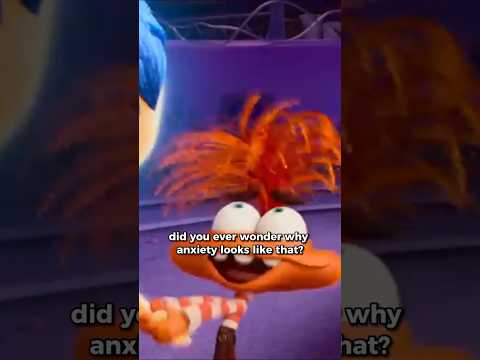
By nonsooooo Why Does Anxiety Look Like That insideout2 pixar shorts by nonsooooo

Title: Maya Hawke Breaks Down Inside Out 2s Anxiety Attack Scene with Pixar Animators, Director & More
Channel: Entertainment Weekly
Maya Hawke Breaks Down Inside Out 2s Anxiety Attack Scene with Pixar Animators, Director & More by Entertainment Weekly
Night Sweats Wreaking Havoc? This Could Be Why (Anxiety Disorder)
Pixar's Hidden Anxiety: Characters You Never Noticed Were Freaking Out!
Pixar. The name conjures images of vibrant animation, heartwarming stories, and characters that have become synonymous with our childhoods. We laugh, we cry, and we connect with these animated figures on a profoundly personal level. But beneath the surface of these meticulously crafted films lies a subtle, often overlooked layer: anxiety. Pixar, in its genius, doesn't shy away from the complexities of the human experience, even embedding them within narratives designed for the whole family. We are about to delve into some of Pixar's most beloved characters, revealing the hidden anxieties that drive their actions, shape their personalities, and ultimately, make them even more relatable. Prepare to see your favorite Pixar films in a completely new light.
The Burden of Perfection: Woody's Perpetual Panic in Toy Story
Woody, the ever-loyal, ever-optimistic cowboy doll from Toy Story, embodies the quintessential leader. He yearns for Andy's affection and will go to any lengths to ensure his place as Andy's favorite toy. However, this unwavering dedication is fueled by a deep-seated anxiety: the fear of being replaced.
From the moment Buzz Lightyear arrives, Woody's meticulously constructed world begins to crumble. His carefully curated status within the toy hierarchy is immediately threatened. Buzz’s arrival isn't just a case of personality clash; it’s a direct challenge to Woody’s perceived authority and, more importantly, his established bond with Andy. Notice how Woody’s initial reactions are rooted in insecurity. He belittles Buzz, attempts to sabotage him, and manipulates situations to regain control. His actions, while often comedic, stem from a raw, primal fear of obsolescence. He's terrified of becoming “yesterday’s toy," relegated to the depths of the toy box.
Consider the scene where Woody and Buzz are trapped in Sid's house. Woody, despite his best efforts to appear courageous, exhibits clear signs of panic. His rapid-fire decision making, the desperate attempts to rally Buzz, and his exaggerated reactions to perceived threats are all manifestations of his underlying anxiety. He understands the stakes: If they don't escape, not only will their lives be in danger, but Andy will most likely abandon them. The weight of this responsibility, combined with his inherent insecurity, amplifies his emotional vulnerability.
Woody's journey throughout the Toy Story films is, in essence, a struggle against his anxieties. He learns to embrace friendship, accept change and understand that his value isn’t contingent on being Andy's singular favorite. His character arc is a testament to Pixar’s recognition of the complexities of human relationships and the powerful influence of fear.
Nemo's Underwater Agoraphobia in Finding Nemo
Finding Nemo is a visually stunning exploration of the ocean's vastness, but within its depths lies a compelling portrayal of anxiety, exemplified by Nemo's journey and his father's overprotectiveness, driven by the profound fear of loss.
Nemo, with his undersized fin, might seem to embody the spirit of adventure, but his initial actions are indicative of his own struggle with anxiety. His bold declaration to venture beyond the reef, despite his father's warnings, stems from a desire to overcome his perceived limitations and prove his capability. However, this same courage can be interpreted as a reaction to his father's overprotectiveness, which constantly reinforces the dangers of the outside world.
The fear of the unknown is a significant contributor to Nemo’s overall anxieties. The vast, unpredictable ocean, with its predators and currents, represents a constant threat. Even within the safe confines of the reef, Nemo is subject to his father's perpetual warnings and anxieties. This, in turn, increases Nemo’s internal tension. He feels a sense of confinement – both physical and emotional.
The pivotal moment when Nemo is captured by the divers ignites his already existing anxieties. He is thrust into a sterile, claustrophobic tank, surrounded by unfamiliar faces and deprived of the natural environment he knows. His desperate attempts at escape, the feeling of being trapped, and his struggle to maintain hope are all indicators of the intense panic he is experiencing.
Nemo's story becomes a journey of self-discovery. His growth requires him to confront his anxieties, face his fears, and learn to trust in his abilities. He gradually overcomes his inner turmoil and becomes a symbol of resilience.
Mike Wazowski's Obsessive Need for Approval in Monsters, Inc. and Monsters University
Mike Wazowski, the energetic and ever-optimistic one-eyed monster from Monsters, Inc. and Monsters University, is a character whose drive to succeed is deeply intertwined with an anxiety that often goes unnoticed: his relentless need for approval.
Mike, despite his outgoing personality, is clearly driven by a strong desire to prove himself. He is constantly striving to be better, to be more effective, to be the best scare assistant. This ambition is not simply a matter of professional drive; it’s rooted in a deep-seated insecurity. He is constantly working to compensate for his physical limitations. His size and single eye become the most obvious insecurities. He is aware that he doesn’t fit the traditional monster ideal.
Mike’s relentless pursuit of success in Monsters, Inc. can be interpreted as a way of validating his self-worth. He wants to master the art of scaring and be the best because it's a way of gaining acceptance and recognition from his peers. He’s striving for validation, not just success. The constant pressure to perform, to be liked, and to be the best fuels his anxiety. He fears failure, not just for the repercussions it might bring but also for the blow it would inflict on his own self-esteem.
In Monsters University, Mike's insecurities are even more pronounced. He is determined to prove that he can succeed in the prestigious scare program and earn his place among the elite. However, his lack of innate scaring abilities sets him apart from the larger, more intimidating monsters. He's constantly comparing himself to his peers, questioning his abilities, and wrestling with the fear of not being good enough.
The film showcases his desperation to be accepted. He overcompensates with relentless study and dedication, attempting to master the art of scaring through sheer will.
Dory's Memory Loss: A Manifestation of Generalized Anxiety in Finding Dory
Dory, the beloved blue tang from Finding Nemo and the protagonist of Finding Dory, presents a unique and poignant portrayal of anxiety through a specific neurological condition: short-term memory loss.
While often played for comedic effect, Dory’s struggles with memory loss are also a constant source of significant anxiety. Her inability to recall events creates fear. The world is constantly changing, and Dory never knows what’s coming next. For her, every moment is a potential source of disorientation and vulnerability.
Her forgetfulness is a daily challenge. Simple tasks become difficult. The loss of her ability to remember recent events can lead to a feeling of isolation. She struggles to form meaningful connections and navigate the world.
The emotional fallout from her memory loss is also a strong theme. Dory often expresses a sense of confusion and panic as she struggles to keep track of her current situation. She questions her ability to function on her own. She is lost and confused, unable to build a coherent timeline of events.
The fear of failing, of making mistakes, and of losing control of her circumstances drives her behavior. Her optimism and resilience shine through these anxieties. Dory overcomes her challenges. However, her consistent battle with memory loss brings us a deeper understanding of the burdens that anxiety brings to her life.
Riley's Emotional Turmoil in Inside Out: A Portrait of Childhood Anxiety
Inside Out is a masterpiece of psychological storytelling, and its exploration of Riley's emotions offers a profound view into the complexities of childhood anxiety.
Riley, the film’s protagonist, experiences a dramatic shift in her emotional landscape when her family moves to a new city. The film, by visually representing her emotions as distinct characters, exposes the internal turmoil of her existence.
The core emotion shown in Riley’s story is Sadness. Joy struggles to keep Sadness separate because she sees it as a weakness. Joy believes that happiness, and keeping a positive attitude, is the only emotion that makes Riley valuable. As external stressors mount, Riley's anxiety grows. The move to a new city represents a loss of the familiar – her friends, her home, and her established routine. This disruption to her world ignites a series of anxieties. She worries about fitting in, making new friends, and succeeding in her new environment.
Riley's anxiety manifests in various ways: withdrawal, mood swings, and moments of outright panic. She struggles to regulate her emotions and finds herself overwhelmed by feelings of sadness and despair. The fear of losing her place, of not being accepted, and of failing to navigate the challenges of adolescence, all contribute to her inner turmoil.
The film’s poignant message is ultimately about the importance of acceptance and understanding. Riley learns to embrace all of her emotions, including sadness, and to recognize that even painful experiences can contribute to her growth and well-being. This is a significant message of support that resonates strongly with viewers.
