
Title: The Scary Physical Symptoms Associated With Anxiety shorts
Channel: Dr. Tracey Marks
The Scary Physical Symptoms Associated With Anxiety shorts by Dr. Tracey Marks
anxiety constant chest pain reddit, anxiety constant chest tightness reddit, anxiety causes chest pain reddit, can anxiety cause chest pain everyday reddit, does anxiety cause chest pain reddit, can anxiety cause chest pain reddit, can anxiety cause constant chest pain
Reddit Explodes: Is Your Constant Chest Pain Anxiety or Something Worse?
Reddit Reels: Unpacking the Chest Pain Conundrum
Have you ever scrolled through Reddit, lost in a sea of stories and opinions? You likely have, like most of us. It's a digital campfire, where strangers share their lives. Threads about health concerns often erupt into lively discussions. One topic, in particular, seems to frequently trigger a flurry of activity: chest pain. But why?
The Reddit Rabble: What's All the Fuss About?
The question "Is my chest pain anxiety, or something more sinister?" is ubiquitous. It's a valid concern. Often, the internet offers a first port of call when something unsettling happens. Furthermore, chest pain can range from barely noticeable to utterly debilitating. It's no surprise, then, that the platform becomes a sounding board for anxieties. Many users seek validation and reassurance. Others look for advice.
Anxiety's Anguish: The Chest-Crushing Culprit?
Let's be honest, life gets tough. For some, anxiety manifests physically. Chest pain is a common symptom. It may feel like a dull ache. It could also present as a sharp, stabbing sensation. It could feel as if your chest is being squeezed tight by an invisible hand. In these instances, anxiety isn't just a mental state. Instead, it's a physical experience. Often, this feeling is exacerbated by hyperventilation. Then, it might lead to further concerns. More importantly, it often provokes a spiral of worry.
Beyond the Breathtaking: Exploring Other Possibilities
However, not all chest pain stems from anxiety. In fact, it is essential to acknowledge this. There are various underlying causes for sternum pain. Consequently, a medical evaluation is always necessary. For example, heartburn or gastroesophageal reflux disease (GERD) can trigger chest discomfort. Similarly, muscular pain, from something as simple as a pulled muscle, may be the root cause. Besides that, cardiovascular issues are undoubtedly a concern worth addressing. Sometimes, chest pain signifies a more serious problem.
Heart Health: A Critical Consideration
Heart attacks are a serious threat, and chest pain is their primary symptom. That being said, recognizing the signs is crucial. Pressure, squeezing, or tightness in the chest are all tell-tale signs. Alongside, radiating pain into the arm, jaw, or back demands immediate medical attention. Also, shortness of breath, nausea, or sweating can accompany these symptoms. Furthermore, these symptoms are not to be trivialized. Therefore, if you suspect a heart attack, you must call emergency services immediately.
Panic Attacks: A Mimic of Misery
Panic attacks can also mimic the symptoms of heart problems. However, they don't indicate heart disease. They create a truly frightening experience. Rapid heartbeat, shortness of breath, and chest pain characterize such attacks. Moreover, they can be incredibly intense. Consequently, differentiating between a panic attack and a heart attack can be tricky. But, there's usually a clear distinction. Generally, panic attacks don’t typically involve radiating pain. Furthermore, they're often accompanied by feelings of detachment or derealization.
When to Worry: Navigating the Nitty-Gritty
Deciding when to worry can be challenging. Firstly, trust your instincts. Secondly, any new or worsening chest pain deserves attention. Thirdly, consult a doctor. In other words, it's always better to err on the side of caution. Additionally, a doctor can conduct the necessary tests. As such, they can provide a definite diagnosis. Furthermore, they can determine the underlying cause of your pain. So, ignore the internet’s free, often inaccurate advice. Therefore, seeking professional medical advice is paramount. Ultimately, your health is your priority.
Reddit Rescue: Harnessing the Power of the Platform (Responsibly)
Reddit's allure is undeniable. On the other hand, it's not a replacement for medical care. Instead, it can provide a supportive community. Similarly, it is a platform for sharing experiences. Moreover, it can be a place to learn. At the same time, it’s crucial to approach information with a critical eye. Because, not everything online is accurate. Therefore, use Reddit as a starting point, not a definitive answer. Subsequently, consult with qualified medical professionals for personalized advice.
The Bottom Line: Your Body's Best Advocate
Chest pain warrants attention. Anxiety may be the culprit. However, other medical conditions can cause it. Therefore, always prioritize your health. Remember, seeking medical advice is crucial. Besides, be an advocate for your own health. Moreover, listen to your body. So, don't delay seeking the care you deserve. Ultimately, you are in control of your well-being. After all, your health truly matters.
Tween Anxiety? Conquer It NOW! Secret Skills Your Child NeedsReddit Explodes: Is Your Constant Chest Pain Anxiety or Something Worse?
Hey everyone, ever felt that gripping sensation in your chest, the one that makes you question whether you're about to experience a full-blown heart attack? Yeah, we've all been there. Especially in today's world where information (and misinformation) spreads faster than wildfire, primarily on platforms like Reddit. We're going to dive deep into the scary topic of chest pain, a topic that Reddit often buzzes about, and try to figure out if that constant ache is just a case of the nerves, or if it's signaling something more serious. Think of it as a health detective session, only without the magnifying glass (unless you're squinting at your phone for hours, which might actually cause its own set of problems!).
1. The Reddit Rumble: Anatomy of a Panic-Induced Search
Let's be real, Reddit is a treasure trove of information – good, bad, and downright misleading. Type "chest pain" into the search bar, and you'll be bombarded with threads ranging from "My heart is exploding!" to "Anyone else just anxious?" It's like stepping into a medical labyrinth with a thousand different opinions. This constant stream of anecdotal experiences, coupled with the inherent anonymity of the platform, can really fuel our anxieties. It’s like a self-perpetuating cycle: you read a scary post, you feel a twinge, and bam! You're convinced you're dying a slow, painful death. The internet, in this context, can feel like a double-edged sword.
2. The Anxiety Ace: Why Your Mind Attacks Your Chest
Anxiety, in its cruelest form, can mimic the symptoms of serious medical conditions. Chest pain is a classic manifestation. It’s like your body's internal alarm system goes into overdrive, sending out false signals of distress. This physical response stems from the "fight or flight" response. Your heart rate increases, your breathing gets shallow, and your muscles tense up – all leading to that familiar, often terrifying, chest pain. Imagine your body as a tightly wound spring; a minor trigger can send it snapping.
3. Decoding the Pain: Is it Anxiety or Something Else?
Okay, so how do you tell the difference between garden-variety anxiety and a genuine medical emergency? This is where it gets tricky, but there are some clues.
- Location, Location, Location: Anxiety-related chest pain often feels like a dull ache, pressure, or a “knot” in your chest. Cardiac pain is frequently described as a crushing, squeezing, or burning sensation, and can radiate to your arms, jaw, or back.
- The Company It Keeps: Anxiety chest pain is often accompanied by other symptoms, such as rapid heartbeat, shortness of breath, dizziness, sweating, and a feeling of impending doom. Cardiac symptoms can include nausea, vomiting, and a cold sweat.
- Trigger Time: Anxiety-related chest pain often appears at times of stress or triggers, such as during a stressful event or when you think about something that causes you anxiety. Cardiac pain is often triggered by exertion or exercise.
- Duration Matters: Anxiety-related chest pain tends to come and go, lasting for minutes or hours. If the pain is constant and worsening, it is always wise to go to the ER. Cardiac pain persists for a prolonged period and may not subside with rest.
4. When to Hit the Brakes: Recognizing Red Flags
There are certain chest pain symptoms that should send you running to the nearest emergency room, without a second of hesitation. Think of these as undeniable warning signals.
- Sudden, Severe Pain: If the pain hits you like a freight train.
- Shortness of Breath: If you can't breathe properly.
- Radiating Pain: If it spreads to your arm, jaw, or back.
- Dizziness or Lightheadedness: If you feel like you're about to faint.
- Sweating and Nausea/Vomiting: If you feel overwhelmingly sick.
- History of Heart Problems: If you're already at risk.
Ignoring these signals is like playing Russian roulette with your health. Don't do it.
5. The Doctor is In (Eventually!): Seeking Medical Guidance
The absolute best thing you can do if you're experiencing chest pain is to see a doctor. They'll be able to perform a thorough examination, run tests (like an ECG or blood work), and give you a definitive answer. Don't rely on Dr. Google or the anonymous ramblings of Redditors. Your health is too important to gamble with. Remember your doctor is a professional, not a random stranger behind a keyboard.
6. The Stress Solution: Taming the Anxiety Beast
If your chest pain is anxiety-related, you’re not doomed to a life of perpetual panic. There are several effective strategies for managing and reducing anxiety.
- Therapy: Cognitive Behavioral Therapy (CBT) is especially helpful.
- Mindfulness and Meditation: Practicing these techniques can help you calm your mind and body.
- Deep Breathing Exercises: In the moment of panic, slowing down your breath can work wonders.
- Exercise: Regular physical activity can reduce anxiety levels.
- Limit Caffeine and Alcohol: These can exacerbate anxiety symptoms.
7. Lifestyle Changes: The Proactive Approach
Consider your daily routine and lifestyle, and think about the changes you could make to help reduce anxiety.
- Healthy Diet: A balanced diet can impact both your physical and mental well-being.
- Sufficient Sleep: Sleep deprivation can worsen anxiety. Aim for 7-9 hours of quality sleep each night.
- Social Connections: Spend time with loved ones and build a strong support system.
- Hobbies: Engage in activities you enjoy to distract yourself from stress.
8. Reddit's Influence: The Echo Chamber Effect
Reddit can become an echo chamber, amplifying anxieties and creating a sense of shared panic. It's easy to get caught up in the collective fear. Remember to:
- Critically Evaluate Information: Be wary of sensational claims or unverified information.
- Balance Your Exposure: Limit the amount of time you spend on anxiety-related subreddits.
- Seek Out Reliable Sources: Look for information from credible medical professionals.
9. The Power of Perspective: Reframing Your Thoughts
Anxiety thrives on negative thought patterns. Learning to reframe your thoughts can make a big difference.
- Challenge Negative Thoughts: Ask yourself if your fears are based on facts or assumptions.
- Focus on the Present: Avoid dwelling on the past or worrying about the future.
- Practice Gratitude: Focusing on the good things in your life can shift your focus away from anxiety.
10. The Importance of Self-Care: Nurturing Your Well-being
Taking care of yourself is paramount. This means:
- Prioritizing Your Health: Schedule regular checkups and listen to your body.
- Setting Boundaries: Learn to say no to things that drain you.
- Making Time for Yourself: Dedicate time to activities you enjoy.
11. When Chest Pain Lingers: Seeking Further Medical Evaluation
If your chest pain persists, even after ruling out serious conditions, it's important to continue seeking answers. Consider options such as:
- Second Opinions: Consider seeking consultation with another doctor.
- Further Testing: Suggest additional tests.
- Specialist consultation: Seek a consultation with a cardiologist.
12. Chest Pain & Social Media: The Impact of Constant Comparison
Social media and the internet can amplify anxieties by fostering constant comparison and unrealistic expectations.
- Deactivate Notifications: Take a break from the constant stream of information.
- Limit Comparison: Avoid comparing your health or life to others.
- Follow Positive Accounts: Focus on accounts that promote well-being.
13. The "What If" Game: Breaking the Cycle of Worry
If you find yourself playing the "what if" game, take a step back and address the anxiety in a healthy manner.
- Acknowledge Your Feelings: Give yourself permission to feel anxious.
- Practice Self-Compassion: Be kind to yourself.
- Seek Support: Talk to a friend, family member, or therapist.
14. The Body-Mind Connection: Understanding Holistic Health
Your physical and mental health are interconnected.
- Prioritize Both: Treat both physical and mental health seriously.
- Seek Holistic Approaches: Explore therapies like acupuncture.
- Practice Body Awareness: Listen to your body and its signals.
15. A Final Word on Reddit, Chest Pain, and Your Well-being
Remember, Reddit can be a useful tool, but it's vital to approach it with a healthy dose of skepticism. Always prioritize your well-being. If you're experiencing chest pain, consult a medical professional. Don’t let anxiety dictate your life. Take control, seek help, and nurture your health. You've got this!
Closing Thoughts
So, there you have it! Navigating the murky waters of chest pain and anxiety can be daunting, especially when the internet is involved. The key takeaway? Don’t panic (easier said than done, we know!). Listen to your body, be proactive about your health, and seek professional help when
Unleash Inner Peace: The Weighted Blanket Anxiety Miracle You NEED!Dealing with anxiety can be as simple as...

By MedCircle Dealing with anxiety can be as simple as... by MedCircle
4 embarrassing anxiety symptoms mentalhealth anxiety anxious

By Micheline Maalouf 4 embarrassing anxiety symptoms mentalhealth anxiety anxious by Micheline Maalouf
Constant Anxiety Chest Pains & How To Fix It

By Trey Jones Constant Anxiety Chest Pains & How To Fix It by Trey Jones
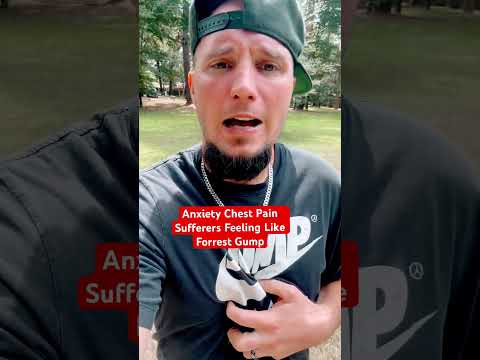
Title: Anxiety Chest Pain Sufferers
Channel: Trey Jones
Anxiety Chest Pain Sufferers by Trey Jones
Anxious in Bed? 7 Nighttime Rituals That Will SHOCK You!
Reddit Explodes: Navigating Chest Pain – Unmasking Anxiety and Unveiling Potential Culprits
The digital town square of Reddit, with its vibrant communities and rapid-fire exchanges, has become a crucible of shared experiences. Among the myriad of discussions – from the mundane to the profound – threads dedicated to health concerns consistently generate significant attention. One particular symptom, chest pain, resonates with an almost visceral intensity. The purpose of this article is to analyze the nuanced landscape of chest pain, offering a comprehensive understanding that goes beyond the initial panic, offering valuable insights – from the emotional turbulence of anxiety to the spectrum of potential underlying medical conditions.
Decoding the Enigma: Why Chest Pain Demands Vigilance
Chest pain, regardless of its origin, triggers an instinctive alarm. The chest houses the heart, a vital organ, and any discomfort in this region immediately elevates concern. However, the causes are as diverse as the individuals experiencing them. From the sharp, fleeting pang of a muscle spasm to the crushing pressure of a cardiac event, each iteration presents a unique challenge in diagnosis and management. Even relatively benign causes can generate substantial anxiety, which in turn, can exacerbate the physical sensations, creating a feedback loop. It is imperative to approach such symptoms with both awareness and a commitment to understanding the potential range of causes.
The Shadow of Anxiety: When the Mind Plays a Role in Chest Pain
Anxiety, a pervasive human experience, is frequently implicated in the presentation of chest pain. The mind, a powerful instrument, can manifest physical symptoms in the absence of a readily identifiable medical cause. In these instances, the chest pain may be described as a dull ache, a sharp stabbing sensation, or a feeling of pressure. Accompanying symptoms often include shortness of breath, rapid heartbeat (palpitations), dizziness, and a sense of impending doom. For individuals prone to anxiety disorders, chest pain can trigger a cascade of panic, heightening the physical sensations and reinforcing the cycle of fear and distress.
The physiological basis for anxiety-induced chest pain is multifaceted. During periods of heightened anxiety, the body releases stress hormones, such as adrenaline and cortisol. These hormones can constrict blood vessels, increasing heart rate and blood pressure, leading to sensations of chest tightness or discomfort. Moreover, hyperventilation, frequently associated with anxiety, can alter the balance of carbon dioxide and oxygen in the blood, producing a feeling of breathlessness and chest pain. Recognizing the intricate connection between the mind and body is critical in distinguishing anxiety-related chest pain from other potential sources.
Beyond Anxiety: Unearthing Other Potential Drivers of Chest Pain
While anxiety is a common culprit, chest pain can signal a wide spectrum of underlying medical conditions. Ignoring the possibility that the pain is indicative of a more serious underlying factor would be remiss. Therefore, conducting a thorough medical evaluation whenever chest pain arises, is essential. This includes evaluating the following possible causes:
Cardiac Issues: The most significant concern associated with chest pain is heart-related issues. Conditions such as angina (chest pain caused by reduced blood flow to the heart), heart attack (myocardial infarction), and pericarditis (inflammation of the sac surrounding the heart) can all manifest as chest pain. The characteristics of cardiac chest pain can differ. It may present as a squeezing, crushing, or pressure-like sensation, and can radiate to the arm, jaw, neck, or back. Factors such as smoking, high cholesterol, high blood pressure, a family history of heart disease, and diabetes can increase an individual's risk of experiencing cardiac chest pain.
Respiratory Problems: The lungs, being vital organs, can also be a source of chest pain. Conditions such as pleurisy (inflammation of the lining of the lungs), pneumonia (lung infection), pulmonary embolism (blood clot in the lungs), and asthma (a chronic inflammatory condition of the airways) can all cause chest pain. The location and character of respiratory chest pain vary, depending on the specific condition. Chest pain associated with breathing is often described as sharp pain or a stabbing sensation that worsens with deeper inhalation or coughing.
Gastrointestinal Considerations: The digestive system can also refer pain to the chest. Conditions such as gastroesophageal reflux disease (GERD), esophageal spasms, and hiatal hernia can occasionally lead to chest pain. The pain associated with these conditions is commonly characterized by a burning sensation or a feeling of pressure behind the sternum and may be accompanied by heartburn, regurgitation, and difficulty swallowing.
Musculoskeletal Injuries: Muscular and skeletal issues can create chest pain. Chest wall injuries, muscle strains, and costochondritis (inflammation of the cartilage connecting the ribs to the sternum) are capable of producing chest pain. Musculoskeletal-related chest pain is often described as a sharp, localized pain that worsens with movement. Symptoms often include tenderness to the touch.
Other Causes: Rarely, other causes for chest pain may arise. Shingles (herpes zoster virus), which affects the nerves, can cause chest pain before the rash appears. Certain types of cancer, such as lung cancer and esophageal cancer, can also cause chest pain.
Navigating the Path Forward: Effective Steps to Take When Chest Pain Strikes
The presence of chest pain mandates a measured and informed approach. The following steps offer a practical framework for managing this symptom:
Seek Immediate Medical Attention When Required: Prompt action is vital. If the chest pain is severe, sudden, or accompanied by other concerning symptoms, such as shortness of breath, sweating, nausea, or dizziness, call emergency services (911 or your local equivalent). Consider calling emergency services for chest pain associated with known risk factors for heart disease.
Describe the Symptoms: When seeking medical attention, provide a detailed description of the chest pain. Mention the location, intensity, quality (e.g., sharp, dull, crushing), duration, and any triggering or relieving factors. Provide any associated symptoms, such as shortness of breath, palpitations, or nausea.
Undergo a Thorough Evaluation: The healthcare provider will perform a complete physical examination and may order diagnostic tests, such as an electrocardiogram (ECG), blood tests (to assess cardiac enzymes), chest X-ray, and, if indicated, further investigations.
Explore Anxious Feelings: If the medical workup excludes a serious underlying condition, the healthcare provider may investigate anxiety contributing to the chest pain. Be open and honest about your feelings. Discuss any triggers, stressors, or specific concerns that may be contributing to feelings of anxiety.
Explore Mental Health Support: Cognitive-behavioral therapy (CBT), mindfulness-based stress reduction (MBSR), and other therapeutic interventions can be beneficial in managing anxiety and reducing the physical symptoms. Consider the utilization of anxiety relief and support apps.
Pursue Lifestyle Adjustments: Implement lifestyle changes, such as regular exercise, a balanced diet, sufficient sleep, and reducing caffeine and alcohol consumption. These adjustments may also help minimize anxiety and improve overall health.
Follow Your Doctor's Recommendations: Adhere to the treatment plan recommended by your healthcare provider. Follow up with medical professionals as suggested.
Reddit Communities: A Source of Support and Information but Not a Substitute for Professional Help
Reddit communities dedicated to health-related topics can provide a sense of community and support. However, they are not a substitute for professional medical advice. Information shared on social media platforms should be viewed with caution. The accuracy and reliability of the information may not always be verified. Always seek guidance from qualified healthcare professionals for diagnosis and treatment.
Conclusion: Prioritizing Well-being and Seeking Informed Solutions
Chest pain is a complex symptom that demands attention. The initial response may be fear. It is crucial to approach chest pain with open minds and a commitment to seeking professional medical attention. Whether the origin is rooted in cardiovascular issues, respiratory concerns, or a reaction from anxiety, prompt evaluation, diagnosis, and treatment are essential for preserving well-being and ensuring long-term health. By understanding the potential causes, seeking appropriate medical care, and prioritizing mental health, individuals can navigate the challenging territory of chest pain and arrive at a path to wellness and stability.
