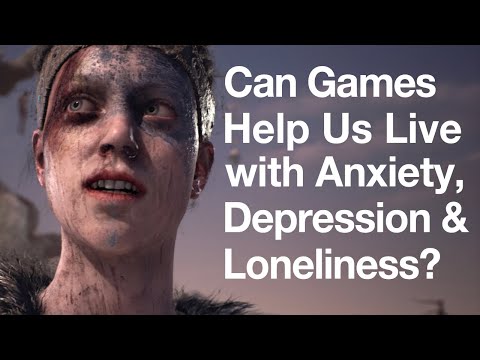
Title: Can Video Games Help with Anxiety, Depression and Loneliness
Channel: Create. Consume. Repeat.
Can Video Games Help with Anxiety, Depression and Loneliness by Create. Consume. Repeat.
anxiety and depression games, games for anxiety and depression online, video games for anxiety and depression, best games for anxiety and depression, phone games for anxiety and depression, can video games cause anxiety and depression, anxiety and depression activities for adults, how do anxiety and depression go together, how does anxiety and depression go together
Anxiety & Depression? These Games Will SHOCK You!
Unlocking Relief: Gaming's Unexpected Antidote to Anxiety and Depression
Life's a rollercoaster, isn't it? One moment, you're soaring. The next, you're navigating a challenging valley. Anxiety and depression often darken those valleys. But what if I told you there's an unexpected tool for climbing back up? Yes, you heard that right. Gaming. It is no longer just a pastime. It is also an intervention.
Gaming: Beyond Entertainment's Embrace
For years, gaming's been labeled as mere entertainment. However, it is more than that. It is a vibrant world of possibilities. Games offer a unique space for mental well-being. They can be a powerful ally against those battles. Consider how many games provide stress relief.
Digging into the Data: The Impact of Interactive Experiences
How can pixels potentially help? Well, research sheds light on how gaming can help. Studies showcase promising results. Think about the element of control. Within a game, you make choices. Those choices have consequences. You dictate the narrative. This control can be incredibly empowering. As a result, this can be a welcome change from the feeling of helplessness. It is often associated with anxiety and depression.
Now, also consider the social elements. Many games foster communities. These communities offer a sense of belonging. Feeling isolated is a common symptom. Gaming can help combat this feeling. This can be achieved by connecting with others. You can share experiences. Plus, you can offer support.
But there's more to unpack. Many games encourage problem-solving. You encounter puzzles. You analyze strategies. This cognitive engagement can stimulate your mind. It can also provide a welcome distraction. It shifts your focus away from negative thoughts. It is a healthy mental workout. But, it is fun!
Therapeutic Titles: Games that Might Surprise You
So which games are worth exploring? Honestly, the landscape is vast. It’s like stepping into a digital treasure trove. Let's explore a few examples. First, consider the mindful beauty of "Journey." Its artistic landscapes and soothing score create a serene experience. Often, this can be helpful to anyone struggling. The focus is on exploration and connection.
Then there's "Stardew Valley." This farming simulator offers a chance to escape. You cultivate a virtual life. You design a home. You build relationships. It is surprisingly calming. It's a delightful distraction. It's a great way to take control.
"Animal Crossing" then comes into the picture. It is a haven of tranquility. You can decorate a space. You can interact with adorable animal villagers. Such lightheartedness can be restorative. It is especially helpful during difficult times.
Navigating the Gaming Oasis: Strategies for Success
Gaming isn't a magic bullet. It’s a potential tool in a broader strategy. It is useful, and it needs to be approached mindfully. So, here are some tips.
First of all, consider your time. Set boundaries. Gaming shouldn’t consume your entire day. It should be part of a balanced routine. After all, balance is key.
Also, pay attention to the games you choose. Opt for titles that bring you joy. Avoid games that induce stress or anxiety. It's about finding experiences that uplift and inspire.
Keep in mind the importance of social connections. Gaming can be a pathway to community. It should supplement real-world relationships. Remember, human connection is vital.
Beyond the Pixels: Integrated Wellness Principles
Gaming alone is not a cure. It is a piece of a larger puzzle. Incorporate other wellness practices. This includes exercise, healthy eating, and mindfulness. Therefore, all of these will support your mental well-being. See a therapist. Speak to a trusted friend. This is a vital component of your support system.
The Bottom Line: Embracing the Unexpected
Gaming holds unexpected potential. It can be a powerful ally against mental health challenges. It is a journey of exploration. It can offer a sense of control. It is beneficial for both social connections and cognitive stimulation. So why not try it? It is not for everyone. But it might just surprise you.
Is Your Pregnancy Turning Your Husband into a Nervous Wreck?Anxiety & Depression? These Games Will SHOCK You!
Hey there, fellow travelers on this wild ride we call life! Let's be honest, we all know someone, or maybe are someone, who occasionally feels the weight of anxiety or the shadows of depression. It's a tough battle, and finding tools to navigate those stormy waters can feel like searching for a hidden treasure. But what if I told you a treasure map just landed in your lap, in the form of… video games? Yep, you heard right. Games. Not the usual suspects like Call of Duty or Fortnite, but deliberately designed experiences crafted to gently explore complex emotions and provide innovative coping mechanisms. Get ready, because the games we're about to discuss might just shock you with their power and potential.
1. The Unexpected Power of Play: Healing Through Gameplay
We often underestimate the healing power of play. Think back to your childhood – how did you work through difficult feelings? Maybe you built elaborate forts, created fantastical scenarios with your toys, or simply lost yourself in a good book. Games, at their core, are an evolution of this natural human instinct. They provide a safe space to experiment, to fail without consequence, and to gradually build resilience. We're not just talking about mindless entertainment here; we're talking about interactive narratives meticulously crafted to resonate with the struggles of anxiety and depression.
2. Embracing Empathy: Games That Put You in Someone Else's Shoes
One of the most significant benefits of these therapeutic games is their ability to stoke empathy. Many games on this list place you in the shoes of someone grappling with mental health challenges. You experience their struggles, their triumphs, and the day-to-day realities of living with anxiety or depression. This isn't just reading a textbook; it’s a deeply immersive experience that fosters understanding and compassion, both for yourself and for others. Think of it as a crash course in empathy, delivered with a controller in your hand.
3. Unveiling the Symptoms: Games for Awareness and Understanding
Understanding is the first step toward healing. Many games are specifically designed to illustrate the symptoms of anxiety and depression in a tangible way. They might use metaphors, like a darkening world to represent a loss of joy or visual representations of racing thoughts. This can be incredibly validating, helping you realize you're not alone and that your experiences are shared by many. It's like having a virtual therapist whispering, "I get it. You're not crazy. This is a thing, and we can work through it."
4. Unpacking the Emotional Toolkit: Games for Coping Strategies
Beyond awareness, these games offer practical tools and techniques to manage your mental health. You might find yourself learning mindfulness exercises, practicing positive self-talk, or developing strategies for dealing with triggers. Some games simulate stressful situations, then guide you through relaxation techniques like deep breathing or visualization. It's like having a personal coach right there, in your game console, ready to equip you with the skills you need to navigate life's challenges.
5. "Gris": A Journey Through Grief and Loss
Let's dive into some specific examples! Gris is a stunningly beautiful platformer that explores themes of grief and loss. The visuals are breathtaking, the music is evocative, and the gameplay is designed to be gentle and meditative. You'll guide Gris through a world that reflects her emotional state, gradually rebuilding it as she processes her pain. It’s not a complex gameplay, and that's deliberate: It allows you to focus on the emotional journey. It reminded me immediately of losing my own grandmother.
6. "Hellblade: Senua's Sacrifice:" The Battle Against Psychosis
Hellblade: Senua's Sacrifice is another game that doesn't shy away from the dark corners of the mind. It puts you in the role of a warrior battling psychosis, incorporating unsettling audio and visual effects to simulate the experience. It’s a harrowing but ultimately empowering experience, offering an intense insight into the challenges faced by those with mental health challenges. It’s certainly not for the faint of heart, but the realistic depiction is remarkable and serves as recognition of the complexity of all mental health matters.
7. "Depression Quest": Interactive Storytelling of Mental Health
Depression Quest doesn't boast fancy graphics or exciting gameplay. It’s a text-based interactive story that directly puts you into the shoes of a person navigating depression. You’ll make choices that reflect the character's challenges, and see how those choices impact their mental state. It's a simple but powerful approach that emphasizes the choices, large and small, that shape the course of our lives.
8. "Kind Words (lo fi chill beats to write to)": Building a Supportive Community
Sometimes, just knowing you're not alone makes all the difference. Kind Words is a delightful, low-pressure game where you can write letters to other players and receive encouraging messages in return. It's a safe space to share your feelings (or just listen to chill beats), and it fosters a sense of community and connectedness. Think of it as a virtual hug delivered through your keyboard.
9. "Celeste": Platforming and Perseverance
Celeste is a challenging but rewarding platformer with a deceptively simple premise: climb a mountain. However, the game's true brilliance lies in its poignant story about mental health, self-doubt, and the power of perseverance. The game's mechanics themselves – the need for precision, the repeated failures, the moments of triumph – are skillfully interwoven with its themes of coping by building resilience. It is a testament to how even in the face of our greatest obstacles, we are not alone.
10. Setting Boundaries: The importance of Game Selection and Playtime
It is vital to consider the types of games while selecting. One should consider their triggers and limits. Not all games will align with your sensitivities. Take it easy to get yourself through the games. Don't be afraid to walk away if a game feels overwhelming or triggering. It’s also a good idea to take breaks and schedule playtime so it doesn’t interfere with other aspects of your life, like social interactions and sleep.
11. The Science Behind the Screen: How Games Can Impact Mental Well-being
The effectiveness of these games is backed and supported by science. Research shows that interactive media can effectively assist in developing coping mechanisms, mitigating anxiety and depression symptoms. When we engage in these video games, we are not just playing; we're stimulating parts of our brains which influence emotional regulation and cognitive functions.
12. Game Selection: Finding the Right Fit for Your Needs
Finding the right game can be akin to finding the right therapist; it mostly depends on what you hope to gain. While some games are purely narrative-driven, others emphasize skill. It’s really a matter of what resonates most with you. Start by learning the game's theme and content before investing time.
13. Beyond Gaming: Integrating Games With Other Therapies
These games are not meant to replace other sorts of treatments, but they're highly effective supplements. They can strengthen your coping techniques, provide a comforting sanctuary, and promote self-awareness. Talking to your doctor or therapist will help in tailoring the experience to your specific circumstances.
14. The Future of Mental Health and Games
The future of mental wellness is really bright! As developers, scientists, and clinicians better understand the relationship between games and health, we can anticipate more groundbreaking experiences designed to assist those who are suffering. The possibilities are limitless, from VR treatments to personalized therapeutic games, and there is hope for a more mentally healthy world.
15. Supporting Each Other: Building a Community of Understanding
Sharing our experiences and encouraging one another is just as crucial as any game or software. We need more open and honest discussions about mental health, and we are not afraid to ask for support when we need it. It’s crucial to normalize admitting our struggles.
Closing Thoughts
Well, there you have it! A peek into the shocking, yet incredibly helpful, world of video games and mental health. I hope this has opened your eyes to the potential of play as a pathway to understanding and healing. Remember, you're not alone on this journey. There are tools, resources, and a whole community out there ready to support you. So, go ahead, explore, experiment, and find the games that resonate with your soul. You might just be surprised by the depths of their power.
FAQs
1. Are these games a replacement for therapy?
No. While these games can be a valuable resource, they are not a replacement for professional help. They can be a supportive tool, but it's important to consult with a therapist or mental health professional for personalized treatment.
2. Which games are best for beginners?
Depression Quest is good for beginners as it's a simple and text-based experience. Kind Words is another excellent option for building a supportive community.
3. Are these games suitable for everyone?
Not necessarily. Some games may contain sensitive topics or intense content. Individuals with pre-existing mental health conditions should discuss the suitability of these games with their mental health professional before playing.
4. How much time should I spend playing these games?
It's important to find a balance. Avoid excessive gaming as it can interfere with your overall well-being. Starting with shorter sessions is advisable.
5. Where can I find these games?
Most of the games discussed here are available on Steam, PlayStation, Xbox, Nintendo Switch, or mobile platforms.
Conquer First Period Jitters: Your Ultimate Anxiety Survival GuideAnxiety Gaming's Jason Docton on How Gamers Can Fight Depression & Anxiety

By iBUYPOWER Anxiety Gaming's Jason Docton on How Gamers Can Fight Depression & Anxiety by iBUYPOWER
Video Games and Depression
By BBC Three Video Games and Depression by BBC Three
Are Video Games Making You Depressed, Anxious and ADD

By Ellen Vora, MD - Holistic Psychiatrist Are Video Games Making You Depressed, Anxious and ADD by Ellen Vora, MD - Holistic Psychiatrist

Title: Phenomenon Of Gaming and It's Relationship To Anxiety and Depression
Channel: National Social Anxiety Center
Phenomenon Of Gaming and It's Relationship To Anxiety and Depression by National Social Anxiety Center
Is This Anxiety? 7 Signs You Can't Ignore
Anxiety & Depression? These Games Will SHOCK You!
We understand. The relentless grip of anxiety and the pervasive shadow of depression can feel isolating, crushing even. Days bleed into weeks, marked by a persistent sense of unease, fatigue, and a loss of joy. You've likely tried various approaches, seeking solace in conventional therapies, medication, or simply hoping for the storm to pass. But what if we told you there's a different path, a surprising avenue for finding relief, a realm that can subtly and powerfully shift your perspective: the world of video games?
It might sound unconventional, even contradictory. How could something often associated with escapism and screen time offer genuine therapeutic benefits? The answer lies in the carefully curated experiences, the interactive narratives, and the challenges that can rewire your brain and offer a new way to engage with both internal and external worlds. Let's explore some mind-bending games that might just shock you with their potential to assist through challenging times.
The Therapeutic Power of Play: More Than Just Entertainment
At its core, gaming provides a sense of control, a feeling often eroded by anxiety and depression. In the virtual landscape, you are the architect of your actions, the master of your fate. This agency can be incredibly empowering, fostering a sense of accomplishment that can combat feelings of helplessness and inadequacy. Moreover, many games offer a structured environment where progress is measured and rewarded, providing a tangible sense of achievement. This can be a powerful antidote to the negative self-talk that often accompanies mental health challenges. Games can create a space for focus and self-expression.
The games we'll showcase are not typical. They are designed with mindful consideration for emotional and psychological impact. They foster a sense of community and connection, or they allow for a cathartic release of pent-up emotions. They gently nudge you out of your comfort zone, replacing self-defeating thoughts with a sense of hope and possibility.
Navigating Uncertainty: Games that Promote Resilience
Facing anxiety often means grappling with uncertainty. The future looms large, filled with potential threats and imagined catastrophes. Games that encourage strategic thinking, problem-solving, and adaptability can be particularly helpful. Here are a few intriguing examples:
"Journey" (Thatgamecompany): This game is a masterpiece of minimalist design and emotional storytelling. Players traverse a vast desert landscape, encountering other players whose journeys intertwine with their own. There is no explicit dialogue, only a shared sense of wonder and exploration. The focus is not on combat or competition, but on collaboration and shared experience. The simple mechanics and elegant visuals create a calming and meditative experience, perfect for quieting the mind and finding solace in the present moment. The absence of conflict is notable, as is the feeling of being accompanied, without the fear of judgment.
"Stardew Valley" (ConcernedApe): Often recommended for its soothing qualities, Stardew Valley is a farming simulation game that provides a sense of structure and routine. Players inherit a neglected farm and rebuild it from the ground up, cultivating crops, raising animals, and interacting with the local community. The game's slow pace and repetitive tasks can be surprisingly therapeutic, offering a welcome change of pace from the stressors of daily life. The gradual progress and the tangible rewards of a successful harvest can bring a sense of accomplishment, while the social interactions with the townspeople provide a sense of connection and belonging. It is, at its core, escapism, offering an alternative reality that is highly manageable and rewarding.
"Spiritfarer" (Thunder Lotus Games): A unique blend of management, exploration, and emotional storytelling, Spiritfarer centers on Stella, a ferrymaster whose job is to guide spirits to the afterlife. Players build and expand their boat, caring for a cast of memorable characters, each with their own stories and needs. The game tackles difficult themes such as grief, loss, and acceptance in a gentle and compassionate manner. It encourages players to confront their emotions, process their experiences with empathy, and find beauty in the face of inevitable change. The narrative is delivered in small, digestible chunks, and the simple game mechanisms provide a feeling of control.
Confronting Inner Demons: Games for Emotional Exploration
Depression often involves a struggle with deeply held negative beliefs and suppressed emotions. These games are designed to challenge you to engage with your inner landscape.
"Hellblade: Senua's Sacrifice" (Ninja Theory): This is a visceral and unflinching portrayal of psychosis. Players embody Senua, a Celtic warrior battling both external enemies and the voices in her head. The game utilizes binaural audio to immerse players in Senua’s subjective experience, creating a truly unsettling and unforgettable experience. Though challenging, "Hellblade" is a powerful exploration of mental illness, fostering empathy and understanding. This game is not for the faint of heart, but for those seeking a deeper perspective, it can open a crucial pathway to empathy. The narrative is driven by the character’s need to overcome her fears, and the player feels this pressure. The graphics and art are fantastic.
"Gris" (Nomada Studio): "Gris" is an artistic masterpiece that tells a story of loss and recovery through stunning visuals and evocative music. Players navigate a world of shifting landscapes and surreal imagery, as they help the titular character cope with her grief. The game's mechanics are simple and intuitive, focusing on exploration and puzzle-solving. The true power of “Gris” lies in its ability to convey complex emotions through its artful presentation. The game is gentle and calming, a digital space designed to heal. The art is like nothing else, offering a strong visual narrative.
"What Remains of Edith Finch" (Giant Sparrow): This beautifully crafted narrative adventure game tells the stories of the Finch family, each member whose life ended under tragic circumstances. Players explore the family’s ancestral home, uncovering the individual stories. The game invites reflection on themes such as mortality, family, and the passage of time. It uses interactive storytelling to create a profound experience, inviting the player to consider their own place in the world. It encourages players to think about the human experience.
Finding Connection: Games That Build Community and Combat Isolation
Anxiety and depression can both lead to feelings of isolation. These games offer a virtual space to connect with others, fostering a sense of belonging and shared experience.
"Among Us" (InnerSloth): This multiplayer social deduction game has taken the world by storm. Players work together to complete tasks on a spaceship, while secretly identifying the imposters among them. The game’s simple premise fosters a sense of camaraderie and teamwork, as players must collaborate and communicate to achieve their goals. It is excellent for reducing feelings of isolation and building a sense of community. The gameplay and the narrative are simple, allowing players to focus on communication and social interaction.
"Animal Crossing: New Horizons" (Nintendo): This cozy life simulation game allows players to build a community on a deserted island. Players collect resources, craft items, and interact with a delightful cast of animal villagers. The game’s relaxed pace, customizable world, and emphasis on friendly interactions create a soothing and engaging environment. It gently nudges players towards establishing routines and finding joy in everyday activities. The game offers a structured experience, providing a sense of security, offering a feeling of genuine satisfaction.
"MMORPGs" (Various): Massively multiplayer online role-playing games (MMORPGs) such as "World of Warcraft", "Final Fantasy XIV", and "Guild Wars 2" offer vast virtual worlds. These games provide opportunities to connect with other players, form guilds, and embark on collaborative adventures. While it is important to moderate screen time with such games, they can be a powerful source of social connection for those struggling with depression and isolation. The games offer a place to connect with others who share common interests. In addition, the games provide a sense of purpose and achievement.
Important Considerations: A Balanced Approach
Before diving into the world of gaming, it's essential to approach it with a balanced perspective.
- Moderation is Key: Excessive gaming can lead to addiction and further isolation. Set time limits and stick to them.
- Prioritize Real-World Connections: Gaming should not replace face-to-face interactions. Nurture your relationships with friends and family.
- Choose Wisely: Not all games are created equal. Avoid games that glorify violence or exploit addictive mechanics.
- Listen to Your Body: If a game is causing you more stress than relief, take a break.
Conclusion: A New Perspective
The games we've highlighted represent just a small fraction of the titles that can offer therapeutic benefits for individuals grappling with anxiety and depression. They are not a replacement for professional mental health care, but they can be a valuable tool in your personal toolkit. By immersing yourself in these virtual worlds, you can develop resilience, confront your emotions, and find connection. So, open your mind, pick up a controller, and prepare to be surprised by the transformative power of play. The road to well-being is paved with many pathways, and this might just be one that helps you discover a sense of empowerment, hope, and ultimately, healing.
