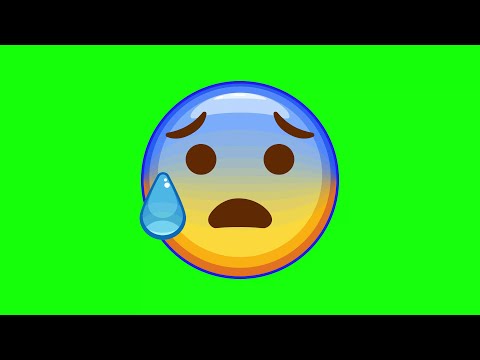
Title: Anxious Face with Sweat Animated Emoji 4K Quality Free Download Google Drive Link
Channel: Creators Assets Library - NO COPYRIGHT
Anxious Face with Sweat Animated Emoji 4K Quality Free Download Google Drive Link by Creators Assets Library - NO COPYRIGHT
anxious emoji transparent, worried emoji transparent, nervous emoji transparent, nervous emoji transparent background, worried emoji transparent background, anxious emoji png, which emoji means scared
😱 Anxious Emoji: The SHOCKING Truth You NEED To See!
🤯 Decoding the Anxious Emoji: Beyond the Surface Level
The anxious emoji. We've all seen it. Maybe you've even used it. It's a tiny digital face conveying a whirlwind of emotions. Often, it’s stress, worry, or unease. But, there is a lot more to it than that. This seemingly simple symbol holds a complex narrative. Are you ready to go deeper? Let’s venture into the unexpected.
🤔 The Emoji's Evolving Identity
Emojis, in general, aren't static. Instead, they transform, taking on new meanings. The anxious emoji is no exception. At first glance, it may convey simple nervousness. However, because of its widespread use, it can represent many different feelings. Consider the context. It can signal anything from mild apprehension to outright panic. Furthermore, social media trends shape its meaning. Memes and online conversations frequently repurpose it. Consequently, its significance constantly shifts.
😌 From Digital Anxiety to Real-World Struggles
The anxious emoji mirrors our own anxieties. It's a digital stand-in, representing our internal struggles. We often use it when feeling overwhelmed. Or, we might use it when facing an uncertain future. Yet, its impact extends beyond cyberspace. It can normalize conversations about mental health. In addition, it offers a visual shorthand for complex emotions. It creates a shared language. Therefore, it can foster empathy.
🤯 The Cultural Significance of the Anxious Face
Beyond individual experiences, consider its cultural context. The anxious emoji reflects broader societal trends. In our fast-paced world, stress is prevalent. News headlines often heighten our concerns. Economic anxieties further intensify our worries. Subsequently, this emoji resonates deeply. It becomes a symbol of our collective unease. It's a mirror reflecting our shared experiences.
💡 Unpacking the Nuances: Beyond Face Value
Let's delve deeper into the subtle meanings. The anxious emoji often expresses concern. It can also signify feeling unsure. It can represent vulnerability. Perhaps the sender is seeking validation. Or, they might simply want to share empathy. Consider the pairing with other emojis. The combination changes the meaning. For example, the anxious emoji alongside a heart emoji indicates support. However, adding a fire emoji could suggest sarcasm. Therefore, interpretation requires a careful eye.
💬 How We Use the Anxious Emoji
The uses are incredibly varied. We deploy it to express our own emotional states. We also use it to comment on current events. Sometimes, it serves as an inside joke. In other instances, it's a tool for connection. It's a versatile tool for communication. It connects us to others who understand our struggles. Furthermore, digital platforms shape its usage. Each social network offers its own context.
🧐 The Psychological Impact: A Closer Look
The anxious emoji does more than just convey feelings. It also affects our psychological state. Seeing the anxious emoji triggers a response. Our mirror neurons activate. We instinctively recognize the emotion. Therefore, we experience the same feelings. Moreover, a continual diet of anxiety can amplify stress. Be mindful of its influence.
🚀 Harnessing the Power of The Anxious Emoji
We can turn this digital symbol into a force for good. Let's use it responsibly. Be mindful of the context. Use the emoji to initiate important conversations. It can help normalize mental health concerns. Encourage empathy in your online interactions. Promote understanding. Furthermore, support those who express their vulnerabilities.
🌟 Conclusion: The Anxious Emoji and the Human Condition
The anxious emoji is not just a symbol. It's a reflection of our times. It demonstrates our shared experiences. It encompasses our hopes and our fears. It is an indicator of communication. We must recognize its power. We should utilize the anxious emoji as a tool. So, embrace the complexity. We must foster compassion. Ultimately, the anxious emoji, in its small way, helps define what it means to be human.
ADHD & Anxiety: The Untold Struggle of Women (Reddit Confessionals)😱 Anxious Emoji: The SHOCKING Truth You NEED To See!
Hey everyone, let's be real – we're all navigating a world that can feel a bit… much sometimes. And in this digital age, where words often fall short, we reach for the little visual stand-ins: emojis. Specifically, the anxious emoji. You know the one; it's got those wide, worried eyes, sometimes a bead of sweat trickling down its pixelated forehead. But have you ever stopped to REALLY think about this tiny digital representation? The "😱 Anxious Emoji: The SHOCKING Truth You NEED To See!" isn't just about pixels and keystrokes; it's a window into our collective anxieties, our societal pressures, and maybe, just maybe, even a little bit of ourselves.
1. The Anxious Emoji: A Universal Language of Unease.
Think about it: regardless of age, background, or location, the anxious emoji seems to resonate. We deploy it in countless contexts, from a delayed text response to a major life event. It's a silent scream, a digital gasp, a shorthand for "I'm not okay," or "This is stressing me out." It's become, dare I say, a modern-day hieroglyphic. We can translate it effortlessly. It allows us to express a range of emotions, all connected to that underlying feeling of worry.
2. Beyond the Surface: Decoding the Digital Sweatdrop.
We slap that emoji on because it's easier, quicker, and sometimes, frankly, less vulnerable than saying "I'm anxious." It's a shield, a way to acknowledge our feelings without fully exposing them. It's like wearing a metaphorical mask, but instead of hiding our faces, we’re hiding our feelings. But beneath the surface of that digital sweatdrop, there’s a story waiting to be told. What are the triggers? What's really behind that fleeting moment of digital despair?
3. The Power of the Pixel: How Emojis Shape Our Communication.
Emojis aren't just silly pictures. They're powerful tools! They alter the way we communicate, infusing our words with emotion, nuance, and intent. They can soften a harsh message, amplify a moment of joy, and, in the case of the anxious emoji, signal a shared experience. I mean, think about how often you see the anxious emoji paired with situations that are clearly stressful, and yet, it lightens it somewhat, because it provides something in common. It's the digital equivalent of "me too," creating a sense of connection in an increasingly isolated digital world.
4. Anxiety in the Age of Algorithms: The Pressure Cooker of Social Media.
Let’s be honest: social media can be its own anxiety-inducing beast, right? The carefully curated feeds, the relentless comparisons, the constant pressure to present a flawless version of ourselves – it's a breeding ground for worry. And guess what emoji gets the most play in the comments? You got it: the anxious one. It's a signal that we’re feeling the pressure of this always-on, performative culture.
5. The Anxious Emoji as a Mirror: Reflecting Societal Stressors.
The anxiety emoji isn't just reflecting personal anxieties. It's mirroring societal stressors. Climate change, political upheaval, economic uncertainty – these are anxieties we share globally. The emoji becomes a symbol of collective unease, a tiny banner waving in the face of global challenges. It's a visual representation of what's weighing heavily on our minds.
6. The Subtle Art of the Anxious Emoji: When is it Appropriate?
Okay, let's talk etiquette. When is the anxious emoji appropriate? It's a delicate balance, and using it correctly can actually make a difference. Overuse the anxious emoji, and it loses its impact. Use it too little, and you might miss an opportunity to connect with others. The key is authenticity. Use it when you genuinely feel anxious, and it will resonate more powerfully.
7. Can an Emoji Really Help? Expressing and Validating Feelings.
Absolutely! Sometimes, simply using the anxious emoji can be validating. It’s a way of acknowledging your feelings, saying, "Hey, I see you, anxiety." It's a small act of self-compassion and can pave the way for deeper conversations and self-reflection. It is essentially you saying, "I am not alone," which is something that can be extremely helpful.
8. From Digital to Real: Translating Emoji Anxiety into Action.
The anxious emoji should act as a springboard, not a final destination. It's the starting point for taking care of yourself. If those digital worries are constantly looming, what steps can you take in the real world? What are some real-world solutions that can help with your anxiety? Talking to someone, practicing mindfulness, or seeking professional help – these actions can make a real difference.
9. The Anxious Emoji and Mental Health: A Gateway to Deeper Conversations.
Can an emoji lead to a discussion about mental health? Absolutely. The anxious emoji can be an invitation to be vulnerable, to open up about your struggles, and to connect with others who are going through similar experiences. It provides a gentle nudge towards important conversations, ones we desperately need to have.
10. Breaking Free: Coping Mechanisms for the Anxious Times.
We need to equip ourselves with coping mechanisms. These are the tools you can use to manage your anxiety. Mindfulness, deep breathing exercises, connecting with nature, or setting healthy boundaries – these can make a noticeable difference. The anxious emoji might show up occasionally, but it does not have to remain a permanent feature of your digital life.
11. The Anxious Emoji in the Workplace: Professional or Personal?
Here’s a sticky one: should you use the anxious emoji at work? It really depends on the work environment. In some workplaces, it might be perfectly acceptable. In others, it could be perceived as unprofessional. Gauge your workplace culture before deploying the anxious emoji. And when in doubt, err on the side of caution.
12. The Future of Emojis: Evolving with Our Emotions.
Emojis are constantly evolving, reflecting shifts in our culture and emotional landscape. Expect to see more nuanced emotional representations evolving in the future. Perhaps even more specific ones that address mental health, anxiety, and other tough topics. The evolution of emojis shows their profound importance.
13. Beyond the "😨": Exploring the Range of Anxiety Emojis
Did you realize there are different degrees of anxious emojis? There’s the slightly tense one, the wide-eyed one, and the one with the sweatdrop. Exploring these different forms can help us better understand how the anxious emoji specifically suits different conditions.
14. The Language of the Anxious Emoji: Decoding the Message.
Here’s the fun part: decoding the messages people send. Are they anxious about something serious or something trivial? What is the context, and what is the relationship to the other person? The anxious emoji's meaning changes with context, so it’s always important to study the complete message.
15. Embracing the Anxious Emoji: Using It Responsibly and Mindfully.
So, the shocking truth? The anxious emoji is a mirror to our times. But it doesn't have to define us. By using it responsibly and mindfully, we can transform a tool of anxiety into one of awareness, connection, and, ultimately, well-being. Use it as a call to action, an invitation to be self-aware and make more conscious choices.
Closing Thoughts
We’ve explored the complex world of the anxious emoji, from its simple, digital surface to the deeper meanings it holds. It reflects our anxieties, facilitates communication, and opens doorways to conversation. But it’s not just an emoji; it’s a part of our lives. So, the next time you click on that little worried face, recognize its power and let it lead you toward a more connected, understanding, and self-aware life. We are all in this together!
FAQs
1. Is it okay to use the anxious emoji in professional communication?
That depends on your workplace! If your company is informal and casual, then it is more likely to be okay. However, if it's more reserved, then you should be more careful. When in doubt, it's often best to err on the side of caution.
2. Can emojis help with anxiety?
They can. The anxious emoji can validate your feelings, but they should also be used with more action as well. This is particularly important, especially if you are constantly feeling anxious.
3. Are there mental health benefits to using emojis?
The mental health benefits of emojis can be indirect. Emojis can facilitate communication, making it easier to express and share emotions, building connections. But don’t expect emojis to replace real-world conversations or serious counseling.
4. How can I use the anxious emoji mindfully?
Use it genuinely to show how you are feeling. Don’t overuse it, and don’t use it sarcastically. Think of it as a tool to make contact, not to be something that defines you.
5. What resources are available if I'm struggling with anxiety?
There are many resources available! Search online for local mental health services. Talk to a therapist, psychiatrist, or counselor, or use a crisis helpline or website for immediate support. There are also many support groups.
ALTER EMOJI anxious

By Vibrant - a Christian Church ALTER EMOJI anxious by Vibrant - a Christian Church
emojis emoji creative

By Devilish Emoji emojis emoji creative by Devilish Emoji
this new emoji combo is

By StanChris this new emoji combo is by StanChris

Title: Every Emoticons Meaning shorts emoticon viral shortsfeed
Channel: MBBS Fact
Every Emoticons Meaning shorts emoticon viral shortsfeed by MBBS Fact
Feeling Anxious? The Shocking Reason You Might Not Be!
😱 Anxious Emoji: The SHOCKING Truth You NEED To See!
We live in a world saturated with digital communication, a realm where keystrokes have replaced handshakes and where emojis – those vibrant, emotive pictograms – have become the lingua franca of a generation. Among these, the anxious emoji, represented in various forms but universally conveying a sense of worry, unease, or trepidation, has become a ubiquitous symbol. We employ it to express everything from minor inconveniences to profound anxieties, casually sprinkling it into our text messages, emails, and social media posts.
But have we truly considered the weight of this tiny image? Have we paused to reflect on the stories it silently communicates, the complex emotional landscapes it attempts to encapsulate? This article delves deep into the heart of the anxious emoji, dissecting its meaning, exploring its cultural significance, and ultimately, revealing a truth about our modern anxieties that you absolutely need to understand.
Decoding the Anxious Emoji: A Visual Vocabulary of Fear
The anxious emoji, in its myriad forms, speaks a universal language of fear. It’s the furrowed brow, the wide, slightly dilated eyes, the beads of sweat – all carefully designed to visually convey a state of heightened tension. The specific visual cues that constitute an anxious emoji vary depending on the platform and the artist’s interpretation. However, the core message remains consistent: something is amiss, something is causing distress, and the individual experiencing this emotion is, in a word, anxious.
Consider the specific variations. The “face with sweat” emoji (😓) – a simple yet powerful representation of physical manifestations of anxiety. The “pensive face” emoji (😔) – a more understated conveyance of worry and often sadness. The “face with tears of joy” emoji (😂) – a complex, frequently misunderstood emoji, often used to mask or downplay discomfort, anxiety or stress. There are variations depicting a slightly strained expression, a tight-lipped smile that fails to reach the eyes, suggesting uncertainty. These variations, while seemingly subtle, allow for a multifaceted articulation of the anxious experience, ranging from mild apprehension to outright panic.
The use of an anxious emoji is far from random. We choose it carefully, often subconsciously, to match and communicate the intensity of the feeling we are experiencing. It’s a tool of emotional precision, and it's essential to note that it is a way of showing an emotion that can, in itself, alleviate the stress on the individual.
The Cultural Significance: Emojis as Mirrors of the Modern Psyche
The widespread adoption of the anxious emoji is not merely a fad; it is a reflection of our times. In a world characterized by relentless connectivity, social pressures, economic instability, and global uncertainties, anxiety has become an increasingly prevalent experience. The emoji acts as a digital mirror, reflecting our collective anxieties back to us.
The emoji's popularity is a symptom of the times, reflecting the normalization of anxiety. It is a form of social signaling, a way to communicate vulnerability and build connection with others feeling the same emotion. We use them to signal a shared experience, to say, implicitly, “I understand. I feel this too."
The anxious emoji has also become a powerful tool for destigmatization. By openly and casually incorporating these symbols into our online communications, we are contributing to a broader cultural shift, one where expressing emotions is no longer viewed as a sign of weakness but as an essential aspect of the human experience. This casual usage makes discussions of stress, anxiety, and mental health more common and accessible.
The Impact of Digital Communication: Amplifying Anxieties
Paradoxically, the very platforms that allow us to communicate with such ease and immediacy can also exacerbate our anxieties. The constant stream of information, the relentless pursuit of social validation, and the fear of missing out (FOMO) can all contribute to a heightened sense of unease. The anxious emoji, then, is also a product of this digital landscape.
Social media, for example, is a breeding ground for comparison. The carefully curated images and highlight reels that dominate our feeds can trigger feelings of inadequacy and self-doubt. We worry about our appearance, our accomplishments, our social standing, and we feel compelled to present a perfect, unblemished version of ourselves. The anxious emoji serves as a subtle expression of this underlying struggle, a digital whisper of the internal battles we face.
The anonymity afforded by online platforms can also contribute to anxiety. Cyberbullying, online harassment, and the potential for misunderstandings can intensify our fears. The anxious emoji becomes a shield, a way to signal distress in a world where vulnerability can be weaponized.
Beyond the Pixel: The Real-World Implications
While the anxious emoji may seem like a harmless digital phenomenon, it has real-world implications. It is a tangible illustration of our growing awareness of mental health challenges.
The frequent use of the anxious emoji points to the need for more open conversations about mental health. It signals a shift towards greater acceptance and understanding of anxiety disorders, as well as an increasing focus on the importance of seeking support when needed.
It is important to be mindful of the potentially negative effects of overusing the anxious emoji. Over-reliance on these symbols can lead to a diminished capacity to articulate complex emotions, potentially hindering the development of healthy coping mechanisms.
Strategies for Navigating the Anxious Digital Landscape
So, how can we navigate this anxious digital landscape without succumbing to its pressures? How can we use the anxious emoji responsibly, without allowing it to become a symbol of helplessness? Here are a few strategies to consider:
- Practice Digital Detox: Schedule regular breaks from technology to disconnect from the constant stream of information and social media. This can help reduce feelings of overwhelm and foster a greater sense of calm.
- Cultivate Self-Awareness: Pay close attention to your emotional state, both online and offline. Recognize your triggers and develop healthy coping mechanisms, such as mindfulness, deep breathing, or exercise.
- Limit Social Comparison: Be mindful of the content you consume on social media. Avoid constantly comparing yourself to others and focus instead on your own goals and accomplishments.
- Communicate Authentically: Don’t be afraid to express your true feelings, even if it means using an anxious emoji. However, also practice clear and direct communication, especially in situations that cause you distress.
- Seek Professional Support: If you are struggling with anxiety, don't hesitate to seek help from a mental health professional. Therapy and medication can be incredibly effective in managing anxiety disorders.
- Practice Gratitude: Focus on the positive aspects of your life, both online and offline. Gratitude can help shift your perspective and reduce feelings of anxiety.
- Be Kind to Yourself: Treat yourself with compassion and understanding. Recognize that everyone struggles with anxiety from time to time, and it's okay to not always be okay.
The Future of the Anxious Emoji: A Path Toward Understanding
The evolution of the anxious emoji will be a telling indicator of our evolving relationship with mental health. As our society continues to grapple with the complexities of anxiety, expect to see even more nuanced and sophisticated digital representations of these emotions.
The future of the anxious emoji also lies in the potential for greater integration with mental health resources. Imagine future iterations allowing users to link to mental health resources directly from certain emoji selections.
Ultimately, the anxious emoji serves as an important reminder: We are not alone in our struggles. By acknowledging our anxieties, by openly communicating our emotions, and by seeking support when needed, we can transform the anxious emoji from a symbol of fear into a catalyst for understanding, empathy, and ultimately, healing.
