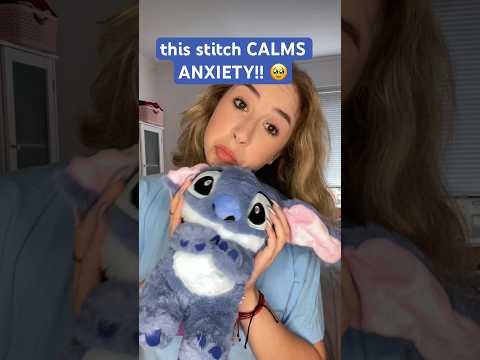
Title: this stitch CALMS ANXIETY shorts liloandstitch anxietyrelief
Channel: Carrie Berk
this stitch CALMS ANXIETY shorts liloandstitch anxietyrelief by Carrie Berk
anxiety breathing teddy, anxiety breathing teddy bear, anxiety breathing teddy reviews, anxiety breathing teddy australia, anxiety breathing plush, anxiety breathing plush for adults, anxiety breathing plush toy, stitch anxiety breathing teddy, anti anxiety breathing teddy, best anxiety breathing teddy
Anxiety Meltdown? This Teddy Bear SAVED My Breath!
Facing the Storm: How a Plush Pal Calmed My Chaotic Breath
The wind howled outside, mirroring the tempest within me. My chest constricted, a vise tightening with each shallow breath. It felt like the world was shrinking, and I was trapped. The familiar dread, the one that smelled of impending doom, was upon me. Anxiety, that relentless puppeteer, was pulling all the strings.
The Tipping Point: When Panic Took Hold
It started subtly, a tremor in my hands and a racing heart. Soon, it escalated into a full-blown anxiety attack. My thoughts, once organized, dissolved into a chaotic jumble. It became difficult to think clearly. My breath hitched, then became rapid and shallow. My body was betraying me. My world narrowed to the desperate need for air. I felt utterly and completely lost.
A Glimmer of Hope: The Discovery of Calm
I fumbled for anything, grasping at straws to regain control. My gaze landed on a familiar face, a silent, furry friend—my childhood teddy bear, Barnaby. He had been relegated to the back of the closet. The years hadn't been kind to him. Barnaby was threadbare now, with one button eye hanging precariously by a single thread. Yet, in that moment of pure panic, he was the only thing that offered solace.
The Unexpected Savior: Barnaby's Unlikely Power
Picking him up, I buried my face in his soft fur. The scent of old memories, sunshine, and quiet afternoons instantly flooded my senses. Therefore, I started to breathe. I wrapped my arms around Barnaby. His gentle pressure against my chest somehow began to regulate my ragged breaths. I squeezed him tight. The rhythmic, almost hypnotic act of holding him provided a strange anchor to reality. I focused on his worn fabric.
The Science of Comfort: Why This Worked
It wasn’t magic, although it certainly felt impossible. It was, in fact, a simple act of grounding. The feeling of Barnaby’s weight, the softness of his fur, and the familiar scent all worked to interrupt the escalating physiological response of my anxiety. We often overlook the power of touch and familiarity during panic. Those sensations helped me to reconnect with my body. Touch can activate the parasympathetic nervous system, which is responsible for the "rest-and-digest" response and counteract the "fight-or-flight" stress response.
Embracing the Moment: Reclaiming My Breath
My breathing gradually began to even out. The sharp edges of the panic softened. Furthermore, the world slowly started to come back into focus. The initial surge of fear subsided. I realized I wasn’t alone. This simple, seemingly insignificant object had provided a vital bridge back to myself. Consequently, I clung to him for support. I held Barnaby close to my chest while I managed my breathing.
Beyond the Bear: Lessons Learned
The experience was a powerful reminder of the surprising places we can find comfort. Moreover, it illustrated the importance of having tangible anchors during moments of extreme stress. Now, Barnaby lives on my bed. He has become a concrete object of my life. I still have moments. But those times are further apart. I'm more in control. He is a constant reminder of strength.
Building Your Own Calm: Practical Strategies
Finding your own Barnaby might look different for everyone. For instance, it could be a weighted blanket, a beloved pet, or even a smooth stone you find comforting. The key is to identify objects and activities that ground you. Practice mindful breathing. This is a proven method to manage anxiety. Focus on your physical sensations. Use affirmations. Learn to recognize the early warning signs of an impending attack. Additionally, create a personalized toolkit for coping with your anxiety.
The Long-Term Game: Seeking Professional Help
While comforting objects are helpful, they aren't a replacement for professional help. In addition, don't hesitate to seek the guidance of a therapist. Therapy provides skills and strategies for managing anxiety. Also, a professional can help you get to the root of the issue. There's no shame in seeking support. Consequently, build a supportive network of friends and family. That is one of the best things to begin to manage emotional distress.
A New Perspective: From Panic to Peace
Looking back, I realize that Barnaby didn't just save my breath on that day. He gave me something more important: perspective. He gently reminded me of resilience. His presence encouraged me to face my anxiety head-on. It also provided a tangible reminder of the ways I can find pockets of peace. Now, I'm more prepared. Eventually, you can be too. It's a journey.
Drank Too Much? The SHOCKING Anxiety & Guilt Cure You NEED!Anxiety Meltdown? This Teddy Bear SAVED My Breath!
We've all been there, haven't we? That suffocating feeling, the racing heart, the world closing in. That gut-wrenching moment when anxiety takes the wheel and steers you directly off a cliff. For me, it used to happen way too often. I’d be fine one minute, and the next…BAM! Anxiety meltdown. It was like a tidal wave, crashing over me and leaving me gasping for air, both literally and figuratively. Finding a way to navigate those treacherous waters felt impossible. But then, unexpectedly, a fluffy, four-legged hero entered the scene. No, not a dog. It was my old, well-loved teddy bear, Barnaby. Let me tell you, this bear has seen things! And, surprisingly, he’s been my anchor in the storm.
The Uncomfortable Truth About Anxiety
Let's be honest, anxiety is a jerk. It whispers insidious doubts, paints the future in shades of doom, and makes you feel like you’re constantly on high alert. It's this nagging feeling that something terrible is about to happen, the dread that clings to you like a second skin. It’s a thief, stealing your joy, your peace, and even your ability to breathe normally. It's a multi-headed beast, with each head manifesting in different ways for different people. Some of us experience panic attacks, others social anxiety, and still others, generalized anxiety that simmers beneath the surface all day long.
The Meltdown: When Anxiety Breaks Through
A meltdown, in the context of anxiety, is when those simmering feelings boil over. It's the ultimate losing-it. It's the point where you can't think straight, your body feels wired but exhausted, and your emotions are all over the place. For me, it usually manifests as a feeling of being trapped, a shortness of breath that makes me feel like I'm drowning, and an overwhelming urge to escape. It’s a cascade of physical symptoms: racing heart, sweaty palms, dizziness, and a crushing sense of dread. It’s exhausting. It’s isolating. And it feels completely out of your control.
The Search For Calm: A Sea of Options
Believe me, I've tried a lot of things. Therapy, meditation, deep breathing exercises, medication… the whole shebang. Some things worked, some didn't. Some gave temporary relief, others were simply not a good fit for me. The constant search for a silver bullet, a magic cure, felt overwhelming in itself. It's like trying to find the perfect pair of shoes – you have to try on a whole bunch before you find the ones that truly fit. Each method brought unique outcomes.
Enter Barnaby: The Unexpected Savior
Then came Barnaby. Now, don't laugh. He's not a fancy, high-tech anxiety reliever. He's a well-worn teddy bear, missing an eye and with stuffing poking out in a few places. He’s been with me since childhood, and he’s seen every mood swing, every success, and every failure. One particularly bad day, during a particularly nasty meltdown, my hands reached for him instinctively. I squeezed him tight, burying my face in his soft fur. And something shifted.
The Science Behind the Snuggles: Why Teddy Bears Work
Okay, okay, I know it sounds a bit silly. But there's actually science behind the comforting effect of holding a teddy bear. It boils down to a few key things:
- Oxytocin Boost: The physical act of cuddling releases oxytocin, often called the "love hormone." Oxytocin helps reduce stress and creates feelings of well-being. Think of it as a natural hug in a plush package!
- Tactile Comfort: The soft texture provides sensory input that can be incredibly soothing. It's a form of grounding, bringing you back to the present moment and away from the swirling thoughts of anxiety.
- Childhood Connection: For many of us, teddy bears represent comfort and safety from childhood. They tap into those positive memories and feelings of being cared for. It's like revisiting a safe haven.
- Mindfulness Anchor: Focusing on the feeling of the teddy bear – its fur, its weight, its smell – can be a form of mindfulness. It forces you to be present in your body and to slow down those runaway thoughts.
How Barnaby Works For Me (And How He Might Work For You)
So, how does Barnaby actually help? Here's my personal playbook for using him during an anxiety meltdown:
- The Squeeze: This is the most important part. I squeeze him tightly, sometimes closing my eyes and focusing on the feeling of his fur against my skin. It's a physical sensation that grounds me.
- Deep Breaths: I use Barnaby as a visual cue for my deep breathing exercises. I breathe in, imagining the air filling him up, and breathe out, imagining the air gently leaving him. It keeps me focused.
- The Smell Test: Barnaby has a faint, familiar smell – a mix of old fabric and long-ago childhood. It’s incredibly comforting. Even the smell is a key anchor for grounding.
- Calm Presence: Sometimes, just having him nearby is enough. Knowing he's there, a silent witness to my struggle, provides a sense of calm.
Beyond the Bear: Expanding Your Anxiety Toolkit
Now, I'm not saying Barnaby is a miracle cure. He's part of a larger toolkit. He's a useful tool, but it is not the only key. It is important to understand. A good mental health strategy often includes:
- Therapy: Cognitive Behavioral Therapy (CBT) can be incredibly helpful in understanding and managing anxious thoughts and behaviors.
- Mindfulness and Meditation: These practices teach you to be present in the moment and to observe your thoughts without judgment.
- Exercise: Physical activity releases endorphins, which have mood-boosting effects. Even a short walk can make a difference.
- Healthy Diet: Nourishing your body with healthy food supports your mental well-being.
- Support System: Talking to friends, family, or a support group can provide much-needed validation and perspective.
Finding Your Own Comfort Zone
Maybe a teddy bear isn’t your thing. Maybe it feels silly, or you have other preferred ways of finding comfort. And that's perfectly okay! The point is to identify what works for you.
- Experiment: Try different things. What feels soothing? What brings you a sense of calm? Try anything that is appealing to your mind and body, and see if it works.
- Listen to Your Body: Pay attention to what soothes you. What makes you feel safe? What makes you feel grounded?
- Don’t Be Afraid to Be “You”: Anxiety can make you feel like you need to be “strong” or “independent.” But it's okay to embrace your vulnerabilities and to seek comfort in whatever form feels right for you. This could be a blanket, a pet, listening to soothing music, breathing exercises, or whatever works for you.
The Power of Self-Compassion: Be Kind to Yourself
Dealing with anxiety is tough. It's a rollercoaster of emotions, and it's easy to beat yourself up when you’re struggling. But self-compassion is key. Be kind to yourself. Remember that you're not alone, this issue is prevalent. It's okay to have bad days. It's okay to need comfort. It's okay to ask for help. Treat yourself as you would treat a dear friend who is struggling.
Barnaby's Legacy: Embracing Imperfection
Barnaby has shown me that it’s okay to be vulnerable. It's okay to lean on something familiar and comforting during moments of intense struggle. He is a reminder that healing can come from the most unexpected places, and that sometimes, the simplest things are the most powerful. He is a reminder, always to be kind to yourself.
Finding Your Ground: The Secret Weapon
The key takeaway? Find your “Barnaby.” Find that one thing, that one person, that one activity, that one small comfort that helps you breathe again when anxiety tries to steal your breath. It might be a teddy bear. Or a pet. Or a favorite song. Or a walk in nature. Or a long, warm shower. The possibilities are endless. Don’t be afraid to experiment, to explore, and to discover what works best for you.
Breathing Lessons: A Final Word
Here’s a simple breathing exercise I often use with Barnaby:
- Hold Barnaby (Or Whatever Comfort You Have): Squeeze him tightly.
- Inhale Deeply: Breathe in slowly and feel your stomach and chest rise.
- Exhale Slowly: Breathe out slowly, imagining all the tension leaving your body.
- Repeat: Continue for several minutes, focusing on your breath and the comforting sensation.
The Journey Continues
Anxiety is a part of my life, and a part of many lives out there. It is a constant journey of learning and self-discovery. There will be ups and downs, good days and bad days. But with a little self-compassion, a strong toolkit, and maybe even a well-loved teddy bear, we can all learn to navigate those stormy waters and find our breath again.
Closing Thoughts: Embrace the Fluff
So, yes, I
Anxiety Meltdown? Grab This FREE PDF & Conquer Your Fears NOW!This breathing koala plush is helping me so muchpeluche breathe anxiety

By Cuddle Flow This breathing koala plush is helping me so muchpeluche breathe anxiety by Cuddle Flow
The Breathing Stitch - 50 Off Relaxing Anti Anxiety Teddy

By Calm Teddy The Breathing Stitch - 50 Off Relaxing Anti Anxiety Teddy by Calm Teddy
No 3 Breathing Teddy Bear The Perfect Comfort for Anxiety & Sleep link in first comment Shorts
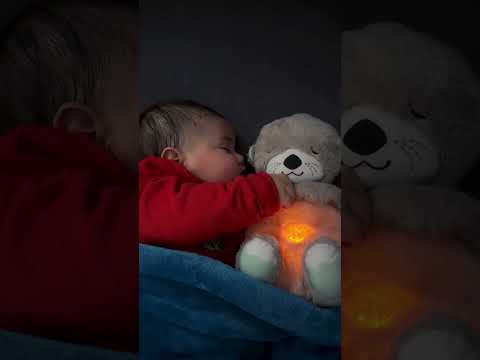
By Find It No 3 Breathing Teddy Bear The Perfect Comfort for Anxiety & Sleep link in first comment Shorts by Find It

Title: The Breathing Stitch - 50 Off Relaxing Anti Anxiety Teddy
Channel: Calm Teddy
The Breathing Stitch - 50 Off Relaxing Anti Anxiety Teddy by Calm Teddy
Pregnant & Panicked? This Anxiety Song Is EXACTLY What You Need
Anxiety Meltdown? This Teddy Bear SAVED My Breath!
We've all been there. That suffocating grip of anxiety, constricting your chest, stealing your breath, and leaving you adrift in a sea of worry. It’s a relentless foe, and finding effective coping mechanisms often feels like a Herculean task. But sometimes, the most profound solutions come in the most unexpected packages. For me, that package was a seemingly simple, unassuming teddy bear. This isn't just a story about a toy; it's a journey through the trenches of anxiety and the surprising power of mindful presence, tactile comfort, and how a plush companion helped me reclaim my breath, my control, and my life.
The Unseen Enemy: Recognizing and Understanding Anxiety Meltdowns
Before we delve into the transformative power of a teddy bear, it's crucial to understand the nature of the beast we're battling: the anxiety meltdown. These aren't simply moments of feeling stressed. They are a cascade of physiological and psychological responses that can feel utterly overwhelming. The heart races, the breath becomes shallow, the mind races, and the body can be frozen with fear, or restless with a need to flee. These meltdowns are often triggered by external stressors, such as work deadlines, social pressures, or relationship conflicts. However, internal factors, such as pre-existing anxiety disorders, perfectionism, or negative self-talk, also play a significant role. The symptoms manifest differently for each individual, but the common thread is a feeling of being completely out of control. This lack of control then fuels the anxiety, creating a vicious cycle that is challenging to break. For me, the physical manifestations were always the most debilitating: the hyperventilation, the chest pain, the feeling of impending doom. It felt like drowning, even when I was perfectly safe.
The Search for Sanctuary: Exploring Traditional Coping Mechanisms
In the desperate search for relief, I, like many others, explored various traditional coping mechanisms. Therapy was invaluable, providing tools to understand the roots of my anxiety and develop healthier thought patterns. Cognitive Behavioral Therapy (CBT) helped me challenge negative thoughts and reframe situations more realistically. Mindfulness and meditation taught me to observe my thoughts and feelings without judgment, allowing me to create a space between the trigger and my reaction. Deep breathing exercises, practiced regularly, were my first line of defense against the physical symptoms of anxiety. While these methods proved helpful in the long run, they weren't always immediately effective during a full-blown meltdown. It sometimes feels impossible to reason with your mind when it is hijacked by anxiety's grip. The immediacy of the panic outweighed the long-term, strategic approach.
Discovering the Untapped Power of Tactile Comfort: The Teddy Bear Revelation
Then, in a moment of utter desperation, I found myself staring at a teddy bear, a gift from a friend. I laughed at first at the idea of it. Then, as a wave of panic threatened to engulf me, I instinctively reached for it. The softness of the fur, the weight in my arms, the gentle pressure of the bear against my chest; it was instantly grounding. It created a physical sensation that anchored me to the present moment. Holding the teddy bear became a focal point, a way to override the racing thoughts and the racing heart. It was a reminder that I was physically present, that I was safe, and that, even in the midst of chaos, I could find some peace. This simple act, this embrace of a plush companion, became my unexpected lifeline. I started consciously using the bear during moments of heightened anxiety; holding it, feeling its weight, and focusing on its physical presence. This tactile connection was immensely soothing, helping me to re-center my mind and slow my erratic breathing.
The Science Behind the Snuggles: Why Tactile Comfort Works
The effectiveness of the teddy bear isn't just anecdotal; it's rooted in neuroscience. Our brains are wired to respond to touch in a profound way. Holding something soft and comforting triggers the release of oxytocin, often called the "love hormone." Oxytocin acts as a natural stress reliever, counteracting the effects of cortisol, the primary stress hormone. It promotes feelings of calmness, security, and social bonding. Studies have shown that even holding a stuffed animal can reduce heart rate and blood pressure, and improve overall mood. In essence, the teddy bear was activating my body's natural relaxation response, helping me to calm my nervous system and break the cycle of anxiety. It also provided a sense of predictability and constancy, offering a feeling of familiarity and safety during moments of intense vulnerability.
The Teddy Bear as a Mindfulness Tool: Reclaiming the Present Moment
Beyond the physiological benefits, the teddy bear also served as a powerful mindfulness tool. When I felt overwhelmed by anxiety, I would consciously focus on the sensations of holding the bear: the feel of its fur, its weight, the gentle pressure against my body. This act of focused attention, of being fully present in the moment, helped to quiet the racing thoughts and ground me in reality. It created a safe haven where I could step out of my anxiety and simply be. This, in turn, gave me the space to practice my other coping mechanisms, like deep breathing or identifying negative thought patterns. The teddy bear became a physical anchor, a reminder to return to the present whenever my mind drifted into the turbulent waters of worry. It was a tangible reminder to breathe, to slow down, and to be kind to myself.
Building a Supportive Ecosystem: Integrating the Teddy Bear with Other Strategies
The teddy bear wasn't a standalone solution; it was a valuable piece of a much larger puzzle. I integrated it into an ecosystem of coping strategies. When the anxiety symptoms first began to arise, I’d immediately reach for the teddy bear. While holding the bear, I'd practice deep breathing exercises, inhaling slowly and deeply, counting to four, holding my breath for a moment, and exhaling slowly, counting to six. Additionally, I paired the use of the teddy bear with positive self-talk, reminding myself that I was safe, that I was capable and that the feelings would pass. For more long-term management, the teddy bear aided in the ongoing practice of cognitive behavioral therapy (CBT) techniques. When feelings of anxiety started to rise, I used the teddy bear and the CBT techniques together to challenge and reframe negative thoughts. The combination of the physical comfort of the bear, alongside the mental techniques, was incredibly powerful.
The Teddy Bear's Legacy: A Path to Resilience and Self-Compassion
The journey hasn't always been easy. There have been moments of relapse, of feeling the familiar grip of anxiety tighten around me. But each time, I've had the teddy bear to remind me of my strength and resilience. The teddy bear taught me that the path to managing anxiety is not about eliminating difficult emotions, but about learning to navigate them with greater awareness, compassion, and self-acceptance. It is about giving myself permission to find solace in simple things, recognizing that vulnerability is not a weakness, but a pathway to deeper connection. The teddy bear serves as a reminder that finding moments of joy, comfort, and safety, even in the darkest of times, is not only possible but essential. It is a symbol of my growth, my resilience, and my ongoing commitment to prioritizing my mental well-being. And it all started with a teddy bear, a simple object that profoundly changed my relationship with anxiety and gave me back my breath. Today, the teddy bear sits beside me. It's not just a toy; it's a friend, a reminder, and a source of enduring comfort, a testament to the transformative power of self-compassion and the unexpected beauty of finding solace in the everyday.
