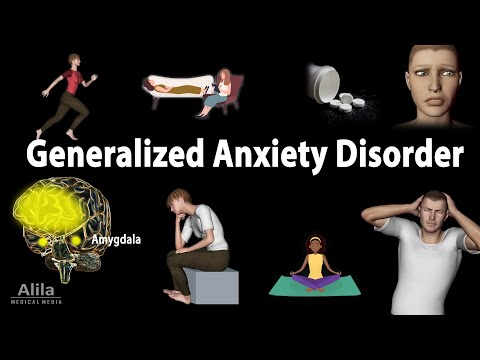
Title: Generalized Anxiety Disorder GAD, Animation
Channel: Alila Medical Media
Generalized Anxiety Disorder GAD, Animation by Alila Medical Media
anxiety symptoms gad 7, is gad severe anxiety, can generalized anxiety disorder have panic attacks, what is gad-7 anxiety
GAD-7 Anxiety: Are YOU Suffering From These 7 SHOCKING Symptoms?
Unmasking the Unseen: Are Anxiety's Grip Undermining Your Life?
It’s a feeling many of us know. A subtle unease that morphs. Eventually, it becomes a persistent companion. It can cloud your days. You may feel its presence in the background. Sometimes, it demands center stage. We’re talking about anxiety, specifically, Generalized Anxiety Disorder (GAD). Are you possibly grappling with its sneaky tendrils? Let's explore.
The Shadow of Worry: Peering into Anxiety's Realm
GAD doesn't always announce itself. It often operates in the shadows. It can quietly erode your well-being, uninvited. Maybe you brush it aside. You might even chalk it up to stress. However, chronic worry is a hallmark. It's excessive, persistent, and challenging to control. You might find yourself incessantly anticipating the worst. Also, you may overanalyze everyday scenarios. That's a signal to become more observant. It’s important to identify your triggers. Then, you can better manage the experience.
Is This YOU? 7 Potential Symptoms of GAD
Let's get specific. Anxiety can manifest in numerous ways. Moreover, recognizing these signs is vital. Consider if any resonate with your experiences. Therefore, we will explore symptoms.
Persistent Restlessness or Feeling "On Edge": Do you feel perpetually wound up? Do you have difficulty relaxing? It's like an internal energy. This is a common symptom of GAD. It can present as a sense of impending doom. You constantly fidget. Your thoughts race. This is a common symptom.
Fatigue: The Exhaustion of Constant Vigilance: Chronic anxiety drains your energy. The constant worry takes its toll. Your body is in a state of alert. Subsequently, it becomes exhausting. You might struggle with sleep. You might feel perpetually tired.
Difficulty Concentrating, or a "Mind Blank": Your mind might feel foggy. The constant chatter consumes focus. It is hard to concentrate. You might find yourself distracted. Thus, the world feels unclear. This is a typical manifestation of anxiety.
Irritability: A Short Fuse in a High-Stress State: Small things can trigger you. Patience dwindles easily. You become more susceptible to frustration. Your emotional threshold goes down. Little things can quickly become overwhelming.
Muscle Tension: The Tight Grip of Stress: Your muscles might ache. This is a physical manifestation. You constantly carry your stress. You might also experience headaches. You might find yourself clenching your jaw.
Sleep Disturbances: Tossing and Turning Through the Night: Are you struggling to fall asleep? Are you waking frequently? Anxiety often disrupts sleep patterns. The racing thoughts intrude. This compounds the fatigue. You find yourself increasingly worn down.
Difficulty Controlling Worry: The Unrelenting Mind Chatter: This is a key GAD characteristic. Constant worry dominates your thoughts. You might replay scenarios. There's an ongoing sense of unease. You struggle to quiet the inner monologue. This is challenging.
Taking Action: Empowerment against Anxiety
Do any of these resonate? Seek help immediately. You are not alone. Many options are available. Counseling, therapy, and medication are treatments. These are helpful tools. They can make a major difference. Additionally, lifestyle changes can help.
Professional Support: Find a qualified therapist. Cognitive Behavioral Therapy (CBT) is very effective. CBT teaches strategies. It helps you manage anxious thoughts and behaviors. Consider medication with a doctor. Your physician could also prescribe medicine.
Lifestyle Adjustments: Incorporate regular exercise. Exercise is a natural mood booster. Practice relaxation techniques. Try deep breathing or meditation. Mindfulness can calm the mind. Eat a balanced diet. Reduce your caffeine and alcohol intake.
Building a Support System: Talk to trusted friends and family. This can lessen the burden. Join a support group. Connect with others who understand. These networks can offer support. It can also offer encouragement.
The Path Forward: Reclaiming Your Peace
GAD is manageable. It doesn’t have to define you. Recognizing the signs is the initial step. Taking proactive steps can improve your quality of life. Subsequently, you will be on your way. Embrace the journey of recovery. Seek help. Make changes. Believe that managing anxiety is possible. Therefore, you will become empowered. Your well-being will thrive. Breathe, and remember: you're stronger than you think.
Inside Out 2's Anxiety & Fear Song: Lyrics That'll Give YOU the Chills!GAD-7 Anxiety: Are YOU Suffering From These 7 SHOCKING Symptoms?
Hey there, friend! Ever felt like your brain is a hamster wheel perpetually stuck on overdrive? Like your thoughts are a runaway train, hurtling towards… well, you’re not quite sure what? If this sounds even remotely familiar, you might be wrestling with something called Generalized Anxiety Disorder, or GAD. And you're definitely not alone. We're going to dive deep into the GAD-7 anxiety scale and explore the seven key symptoms that might be secretly running your life. Buckle up, because we’re about to get real.
1. The Worry Whirlwind: Constant & Excessive Anxiety
Let's be honest, a little worry is normal. We all fret about bills, deadlines, and that awkward thing we said five years ago. But with GAD, the worry isn't just a fleeting thought; it’s a persistent, nagging companion. It's like a leaky faucet, constantly dripping and eroding your peace of mind. This worry is excessive, meaning it's out of proportion to the actual situation. It's like building a skyscraper of anxiety over a tiny pebble. We find ourselves constantly anticipating the worst, catastrophizing everyday events, and feeling like we're perpetually teetering on the edge of a cliff. Do you find yourself constantly playing out "what if" scenarios? Do you feel a knot in your stomach that just won’t go away?
2. Restlessness: The Inner Tortoise Racing
One of the telltale signs of GAD is restlessness. It’s like having a motor running inside you, churning away even when you're trying to relax. You might feel fidgety, unable to sit still, or like you have ants crawling under your skin. It's the inner tortoise trying to win the race, even when it's already exhausted. This physical manifestation can sometimes be mistaken for other conditions, so it's crucial to connect it with the mental worries as well. Often, this leads to difficulty concentrating or feeling easily fatigued.
3. Fatigue: Drained and Depleted
Feeling utterly wiped out, even after a full night's sleep? Chronic fatigue is a common symptom of GAD. The constant state of anxiety is incredibly draining, like constantly running a marathon. Your body is in a state of hypervigilance, always on alert, and this takes a serious toll. Think of it this way: your body is producing stress hormones all the time, and it's like burning the candle at both ends. This can lead to both physical and mental exhaustion, making even the simplest tasks feel monumental. Remember that feeling you get sometimes when you're completely drained? That's what it feels like all the time.
4. Difficulty Concentrating: Lost in the Fog
Imagine trying to navigate through a dense fog; that's what it's like to concentrate when you're battling GAD. Your thoughts are scattered, your mind is racing, and it's hard to focus on anything for more than a few minutes. It's like trying to read a book while someone is constantly tapping you on the shoulder. This can make work, school, and even social interactions incredibly challenging. Everyday tasks become frustrating, and you might find yourself struggling to remember things or follow conversations. Do you find yourself re-reading paragraphs or missing key details?
5. Irritability: A Short Fuse
Anxiety has a way of turning even the sweetest souls into grumpy cats. Constant worry and the physical symptoms of GAD can make you incredibly irritable. You might find yourself snapping at loved ones for seemingly minor offenses, feeling easily frustrated, or experiencing a general sense of edginess. It's like your emotional fuse is much shorter than usual. Remember when you were hangry as a kid and would throw a temper tantrum? It is kinda similar. This heightened irritability can strain relationships and make it harder to navigate everyday life.
6. Muscle Tension: A Stiffening Embrace
Physical symptoms often go hand-in-hand with GAD, and muscle tension is a classic example. Your muscles might feel tight, tense, or achy, particularly in your shoulders, neck, and back. It can feel like wearing a suit of armor made of steel. Think of it like this: your body is bracing for a threat that never arrives, and this clenches your muscles. You might experience frequent headaches, jaw pain, or other aches and pains. Do you find yourself unconsciously clenching your fists or grinding your teeth? Sometimes it is so bad it feels like you haven't slept in days.
7. Sleep Disturbances: The Nighttime Battleground
Ah, sleep. The one thing we all crave but struggle to achieve when anxiety is lurking. GAD often wreaks havoc on your sleep patterns. You might have trouble falling asleep, staying asleep, or wake up feeling unrested, even after a full night. This is because your mind is still racing, even when you're trying to relax. It feels like a constant battleground between your thoughts and your body's need for rest. This can lead to a vicious cycle: anxiety disrupts sleep, lack of sleep worsens anxiety, and round and round we go.
Identifying the Symptoms: Is This YOU?
So, as we have discussed, are you finding yourself nodding your head in recognition? If you're experiencing several of these symptoms, it might be time to explore the possibility of GAD further. The GAD-7 is a diagnostic tool that helps assess the severity of your anxiety. It's a simple questionnaire that scores your symptoms based on how often you've experienced them over the past two weeks. It's a starting point, not a final diagnosis.
Seeking Help: You're Not Alone
Facing anxiety can be incredibly isolating, but please know that you're not alone. Millions of people worldwide struggle with GAD, and there's no shame in seeking help. Talk to your doctor or a mental health professional. They can help you determine if you have GAD and recommend appropriate treatment options.
Treatment Options: Finding Your Path
Fortunately, there are effective treatments for GAD. Therapy, such as cognitive-behavioral therapy (CBT), can help you identify and challenge negative thought patterns. Medication, such as antidepressants or anti-anxiety medications, can also be helpful in managing symptoms. Sometimes, it is a combination of both.
Lifestyle Changes: Tools in Your Arsenal
Beyond professional treatment, there are many things you can do to manage your anxiety in your everyday life. These lifestyle changes include:
- Mindfulness and Meditation: Practicing mindfulness can help you become more aware of your thoughts and feelings without getting carried away by them.
- Regular Exercise: Physical activity is a natural stress reliever and can help improve your mood and sleep.
- Healthy Diet: Eating a balanced diet can fuel your body and mind.
- Sleep Hygiene: Establishing a regular sleep schedule and creating a relaxing bedtime routine can improve your sleep quality.
- Limiting Caffeine and Alcohol: These substances can worsen anxiety symptoms.
- Connecting with Others: Social support is crucial for managing anxiety. Talk to friends, family, or join a support group.
The Road to Recovery: It's Possible
Recovery from GAD is a journey, not a destination. There will be ups and downs. Remember to be patient with yourself and celebrate your progress along the way. Small steps are still steps. With the right support and strategies, you can manage your anxiety, reclaim your life, and pursue your happiness.
Embracing the Present, Planning for the Future
Anxiety can feel like a cage but we can unlock it. Start by acknowledging the problem and reaching for help. Consider starting with small goals and keep going from there. Remember to breathe and take in the moment.
Closing Thoughts
So, friend, if you suspect that GAD might be affecting your life, take it seriously. Be kind to yourself and remember that help is readily available. You deserve to live a life free from the debilitating grip of anxiety.
FAQs: Your Burning Questions Answered
1. What is the GAD-7?
The GAD-7 is a seven-item questionnaire used to screen for and measure the severity of Generalized Anxiety Disorder.
2. How is GAD diagnosed?
GAD is usually diagnosed by a doctor or mental health professional based on your symptoms and the results of the GAD-7 questionnaire. A professional will usually interview you to determine the extent of your symptoms.
3. What are the treatment options for GAD?
Common treatments include therapy (CBT), medication (antidepressants, anti-anxiety medications), and lifestyle changes.
4. Can I treat GAD on my own?
While lifestyle changes can help manage symptoms, it's essential to seek professional help for diagnosis and treatment.
5. Is GAD curable?
While GAD is not always curable, symptoms can be effectively managed with treatment, allowing you to live a full and fulfilling life.
1) Principal Keywords: GAD-7 Anxiety Symptoms. 2) SEO Headline: GAD-7 Anxiety: 7 Shocking Symptoms? Know Now! 3) Pathway: Anxiety/Symptoms. 4) Meta Summary: Uncover GAD-7 anxiety symptoms. Are you experiencing constant worry, fatigue & sleep issues? Take our guide & discover the truth! #GAD #anxiety 5) Image Alt Text: A person sitting on a couch with their head in their hands, looking stressed and anxious, representing the key symptoms of GAD-7.
Anxiety's Anthem: The Original Beat That Will Give You ChillsBrainCheck GAD7 5-Minute Generalized Anxiety Assessment

By BrainCheck BrainCheck GAD7 5-Minute Generalized Anxiety Assessment by BrainCheck
The 7 Types of Anxiety Disorders - From Generalized Anxiety to Social Anxiety Disorder. Anxiety 630

By Therapy in a Nutshell The 7 Types of Anxiety Disorders - From Generalized Anxiety to Social Anxiety Disorder. Anxiety 630 by Therapy in a Nutshell
Generalized anxiety disorder GAD - causes, symptoms & treatment
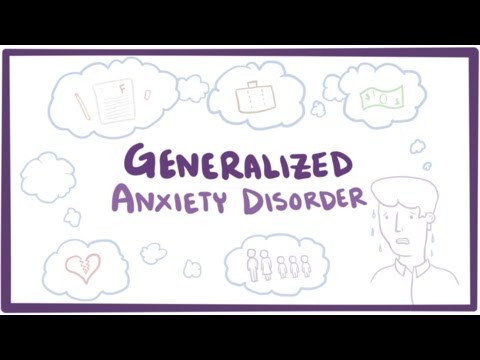
By Osmosis from Elsevier Generalized anxiety disorder GAD - causes, symptoms & treatment by Osmosis from Elsevier

Title: Anxiety Disorders Psychiatric Mental Health LevelUpRN
Channel: Level Up RN
Anxiety Disorders Psychiatric Mental Health LevelUpRN by Level Up RN
Anxiety Inside Out: The Shocking 2-Color Truth You NEED To See!
GAD-7 Anxiety: Unmasking the 7 Subtle Signs That Might Be Holding You Back
Life's a tapestry woven with threads of joy, triumph, and, inevitably, moments of worry. But when those moments of worry morph into a persistent, overwhelming state, it might be a sign of something more: Generalized Anxiety Disorder, or GAD. We believe in empowering you with knowledge, and today, we're peering beneath the surface to explore seven often-overlooked symptoms that could be subtly shaping your experiences. Understanding these signs is the first step toward regaining control and finding your path to peace.
1. The Persistent Chatterbox: Unrelenting Worry and the Mental Maze
Do you find your mind a tireless conveyor belt of concerns? This isn't just the occasional fret; it's a constant, gnawing unease about a multitude of things. From finances and health to the safety of loved ones and the "what ifs" of daily life, the thoughts cascade without pause, fueling a mental maze where solutions feel elusive. The worries often lack a specific trigger, making them even more difficult to contain. They're like phantom pains, constantly present, yet originating from an undefined source. This relentless mental chatter can leave you feeling mentally exhausted, as if you’ve run a marathon without ever leaving your chair. It can bleed into your ability to focus, remember details, and make decisions. This symptom is often the hallmark of GAD, the pervasive feeling that something bad is just around the corner, even when external circumstances appear relatively stable. It's important to remember that this isn't a sign of weakness; it's a sign that your nervous system is operating at a heightened level of activation.
2. The Body's Unsent Letter: Physical Manifestations of Anxiety
Anxiety doesn’t just reside in the mind; it has a profound impact on the body. We’re talking about a symphony of physical sensations playing out in real-time. These aren't simply "feeling stressed;" it's a visceral experience. This can manifest as a racing heart, a feeling that you're on the verge of a panic attack at any given moment. Muscle tension, particularly in the shoulders, neck, and back, can become a constant companion, leading to headaches and fatigue. Digestive issues, such as irritable bowel syndrome (IBS), bloating, nausea, or diarrhea, are common accompaniments. You may experience unexplained dizziness, lightheadedness, or a feeling of unsteadiness. Sleep disturbances are another telltale sign, with difficulty falling asleep, staying asleep, or feeling rested even after a full night's rest. These physical symptoms are not independent; they are interwoven, mirroring the internal turmoil. Ignoring these signals is akin to silencing the alarm bell; they are your body’s way of communicating that something is out of balance.
3. The Agonizing Absence of Pleasure: The Erosion of Enjoyment
Life is meant to be savored, with moments of joy and simple pleasures punctuating our days. However, for those grappling with GAD, the ability to experience pleasure can be significantly diminished. The constant anxiety acts as a filter, clouding the senses and making it difficult to fully immerse oneself in enjoyable activities. Hobbies that once brought satisfaction may now feel like tedious obligations. Social gatherings become a source of stress, rather than connection. Even favorite foods might lose their appeal. This anhedonia — the inability to derive pleasure — is a cruel consequence of persistent anxiety. It can lead to a sense of emptiness, a feeling of being disconnected from life's richness. This erosion of enjoyment can trigger a downward spiral, contributing to feelings of hopelessness and further exacerbating the anxiety. The world becomes a monochrome, and colors fade.
4. The Restless Heart: Irritability and the Short Fuse
Do you find yourself easily agitated, quick to anger, or reacting disproportionately to minor annoyances? Irritability is a common, yet often-overlooked, symptom of GAD. It’s as if your emotional threshold has lowered, making you more susceptible to frustration and annoyance. The constant state of heightened alertness can leave you feeling on edge, like a tightly wound spring ready to snap. Small things that wouldn't normally bother you now feel like major offenses. This irritability can impact your relationships, leading to misunderstandings and conflict. You may find yourself withdrawing from loved ones to avoid potential confrontations. It can also affect your work, leading to decreased productivity and difficulty collaborating with others. The short fuse is a byproduct of your body’s fight-or-flight response running on perpetual overdrive.
5. The Weary Warrior: Fatigue and the Perpetual Struggle for Energy
Anxiety is an energy thief. The constant mental and physical strain of worrying, hyper-vigilance, and physical symptoms can leave you feeling utterly depleted. This isn't the typical tired feeling after a long day; it’s a bone-deep exhaustion that persists even after a full night’s rest. Simple tasks that once felt effortless might now require significant effort. Concentration becomes a struggle, and decision-making feels like wading through quicksand. This fatigue can affect every aspect of your life, from your work and relationships to your self-care routines. The relentless exhaustion can lead to feelings of helplessness and hopelessness. The constant struggle for energy can make you feel like you're perpetually running on empty, even when you should be at your best. The body is simply overworked, attempting to manage and mask the impact of chronic anxiety.
6. The Tremors of Uncertainty: Restlessness and the Inability to Relax
Do you find yourself constantly fidgeting, pacing, or feeling a sense of inner restlessness that you can't quite put your finger on? This is another common manifestation of GAD. It's as if your nervous system is constantly in overdrive, preventing you from truly relaxing. You might feel compelled to move around, even when you consciously want to sit still. This restlessness can manifest in various ways, from tapping your foot to a general sense of unease. It can make it difficult to concentrate, stay focused, or even enjoy a good book or movie. You might find yourself unable to unwind after a long day, your mind racing even when your body is physically tired. This constant state of agitation is a signal that your body is struggling to find a state of equilibrium. The inability to relax is often a key indicator of chronic anxiety.
7. The Ripple Effect: Difficulty Concentrating and Cognitive Challenges
Anxiety is a heavy cloak that can suffocate cognitive function. The constant stream of racing thoughts, the preoccupation with worry, and the physical symptoms of anxiety can significantly impair your ability to concentrate and perform cognitive tasks. This isn't a matter of intelligence; it’s a consequence of your brain being preoccupied with managing internal anxieties. You might find it difficult to focus on conversations, remember details, or make decisions. Problem-solving becomes challenging, and creative thinking is often stifled. The impact of these cognitive challenges can be far-reaching, affecting your performance at work or school, your relationships, and your overall sense of self-efficacy. This is a disruption, a ripple effect that extends into every facet of life, making even the simplest tasks feel overwhelming.
Taking the First Step: Empowering Yourself
Recognizing these seven subtle signs is a crucial first step toward taking control of your anxiety. If you resonate with several of these symptoms, we encourage you to seek professional support. Talking to a therapist, counselor, or psychiatrist can provide you with the tools and strategies you need to manage your anxiety and reclaim your life. Remember, you are not alone. There are effective treatments available, and with the right support, you can navigate this journey and find your path to peace and well-being. Don’t delay seeking help; your well-being is worth it.
